
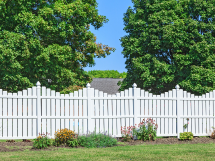
Planning to install a new fence or replace an old one in Jefferson Park? Before you begin, it’s crucial to understand fence permit requirements in Chicago and how they apply specifically to your project. Whether you're updating your backyard privacy fence or adding a decorative iron barrier to your front yard, the City of Chicago has clear rules-and skipping a permit could end up costing you in the long run.
At Americana Iron Works & Fence, we’ve helped Chicago residents navigate zoning codes and secure proper approvals for over 30 years. In this guide, we’ll break down everything Jefferson Park homeowners need to know about fence permits, height limits, property lines, and the step-by-step application process.
When a Fence Permit Is Required in Chicago NeighborhoodsTypes of fence projects that trigger permit requirements
A fence permit is typically required for:
New fences over 5 feet tall
Fences made from masonry or other permanent materials
Fences enclosing a new pool or creating a permanent boundary
Any fence installed along a public right-of-way, alley, or commercial zone
If your fence project is structural or impacts safety, the City of Chicago will likely ask for a permit. This protects property owners, neighbors, and the public alike. Check out our fence repair in Chicago homes for more details.
Common exceptions and low-risk installations
Not every fence installation triggers the permit process. Here are examples typically exempt:
Residential rear-yard fences under 5 feet in height
Simple replacements using similar materials and layout
Temporary barriers not intended for long-term use
Still, it's always wise to verify with a Chicago zoning official or a qualified contractor like Americana Fence before proceeding.
How permit rules apply to replacements and repairs
If you're simply repairing broken sections or replacing several boards or panels-without altering the fence’s height, location, or material-a permit is generally not needed. However, full replacements or material changes (especially with decorative ironwork or brick) may trigger fence permit requirements.
At Americana Iron Works & Fence, we help homeowners assess if their repair needs cross that threshold.
Understanding Chicago Zoning and Fencing CodesHow zoning classifications affect fence regulations
Chicago zoning codes regulate what kind of fence is allowed on your property. If you're in a zone classified RS-2 or RS-3, commonly found in Jefferson Park, fence rules are primarily geared toward residential use and neighborhood aesthetics.
Your zoning classification can influence:
Maximum height
Setback location
Materials and designs allowed
Understanding your zoning is a key step before planning your fence installation.
Rules that apply specifically to corner lots and alleys
Corner lots face stricter Chicago zoning and fencing codes because of visibility and traffic safety concerns. For example:
Fences facing streets or alleys may need to be set back from sidewalks
Chain link or open iron designs are often required near intersections
Certain height restrictions are in place to preserve the “sight triangle”
If your property borders a public alley or intersection in Jefferson Park, extra attention to codes is essential.
Permitted uses and limitations in residential zones
In Jefferson Park's residential zones, fences are permitted for privacy and property demarcation. However, limitations include:
No barbed wire or electrically charged fencing
No fencing that disrupts pedestrian movement or crosses a sidewalk
Decorative fencing must comply with height and style limitations
Our team can help you confirm compliance and prevent costly red tape down the line.
Residential Fence Height Limits in Jefferson ParkMaximum fence height for front, side, and rear yards
Chicago’s code limits fence height based on yard location:
Rear Yards: Up to 6 feet permitted
Side Yards: Usually limited to 6 feet, but context matters
Front Yards: Typically limited to 4 feet to preserve curb appeal and sightlines
In Jefferson Park, where homes often sit close to the sidewalk, these rules are enforced strictly. Learn more about Chicago vinyl fence options.
Special height rules for privacy and decorative fencing
Most privacy fences in rear yards are capped at 6 feet, but certain designs-such as solid iron panels or lattice-topped fences-may have additional restrictions. For decorative work near the front of a property, fence height must conform closely to residential fence height limits.
A good rule of thumb: the more visible your fence is from public walkways, the more conservative the allowable height.
Variable height limits based on location and visibility
If your property is on a sloped lot or near a busy street, you may face special rules. Visibility across driveways and alleys is uniformly regulated in Chicago to ensure pedestrian and driver safety.
Before you plan your design, it’s smart to assess street proximity and elevation changes that could impact approval.
Fence Setback Requirements and Property Line ConsiderationsDefining property lines and acceptable placement
You are allowed to install a fence on your property boundary-but not beyond it. That’s why it's important to understand where your official property lines lie.
At Americana Fence, we recommend clients use recent surveys or consult city records to confirm boundaries before installation.
Setback rules from sidewalks, public ways, and neighbors
Fence setback requirements vary based on location:
Sidewalk Setbacks: Fences cannot be flush with public sidewalks; a few inches are often required
Alleyways: Fences along alleys may require several feet of clearance for trash pickup or city access
Neighbor Dividers: When building on a shared boundary, written neighbor approval may be advisable-even if not legally mandatory
City enforcement officers may reinspect after complaints, making correct fence placement a must.
How to verify and document your property boundaries
Property plat maps, city records, or hiring a land surveyor are reliable ways to verify boundaries. Before fencing, keep these steps in mind:
Find recent surveys: Site surveys often come with closing documents from your home purchase.
Check public records: The Cook County Recorder of Deeds or the City of Chicago zoning map can help.
Confirm corners: Flagging corner pins helps installers with precise alignment.
Step-by-Step Overview of the Fence Permit ProcessDocuments and drawings you'll need to submit
Expect to prepare the following:
Site Plan: Showing your property lines and proposed fence location.
Project Description: Including materials, height, and purpose (privacy, security, etc.).
Sketch or Engineering Drawing: More detailed projects, especially metal or masonry, may need professional drawings.
If Americana Iron Works is handling your job, we assist with all submittals from start to finish.
Where to apply and how long approval usually takes
Chicago permits are issued through the Department of Buildings. You can apply:
Online at the city’s e-permit portal
In-person at the City Hall Permit Center
Approval often takes 1-3 weeks depending on complexity and volume. Projects needing zoning review or neighbor notifications can take longer.
What to expect during site inspections and reviews
After your application is approved, an inspector may visit your home:
To verify siting and construction
To confirm compliance with setback and height rules
To check for obstruction risks (visibility, access points, etc.)
Choosing professionals familiar with the permit process for fences helps speed up approval and avoid common delays.
Common Inquiries about Fence Permits in Chicago:
In many cases, yes, especially if the fence is over 5 feet tall, made of masonry or iron, or borders public sidewalks or alleys. Even smaller projects must comply with fence permit requirements and zoning rules.
What if my neighbor disagrees with the fence?
While you don’t always need permission, clear communication helps. If you’re building along a shared property line, consider:
Sharing plans before construction begins
Inviting feedback on style or location
Documenting agreements in writing if needed
This can prevent disputes and complaints to the city.
Can I install a fence without a professional?
You can-but if the fence must meet zoning codes, clear property boundaries, or pass inspection, hiring a professional ensures compliance. Advanced fencing like wrought iron or multi-material blends often requires the expertise of a licensed contractor like Americana Fence.
Labor Considerations for Fence Installation ProjectsWhat roles are involved in professional fence installation
Typical fence installations on Chicago’s Northwest Side involve:
Site preparation crews
Skilled ironworkers or fencing carpenters
Permit clerks and project coordinators
Inspection consultants (as needed)
For wrought iron projects especially, craftsmanship and installation skill go hand-in-hand. See our guide on fence installation in Chicago.
Typical labor requirements based on fence type and terrain
Labor needs vary based on conditions:
Flat rear yards with wooden fencing may take one crew, finished in two days
Front-yard decorative iron fencing often needs custom fabrication, post-setting specialists, and installers
Sloped ground or tight-tolerance spaces near sidewalks increase labor complexity
We design and scope every project accordingly to ensure durability and good aesthetics.
How labor factors into the overall time and cost of the job
Labor accounts for a significant portion of project cost-especially where craftsmanship and precision are vital. The more challenging the terrain, materials, and zoning, the higher the labor investment.
Homeowners should consider that expert labor reduces errors, improves longevity, and minimizes permit-related delays.
Local Context: Fencing in Jefferson Park's Residential LandscapeCommon fencing styles and materials in Jefferson Park
Jefferson Park is known for:
Traditional wrought iron fencing around front yards
Wood privacy panels in rear yard areas
Chain link fences along alleys and property boundaries
Mixing durability with style is a popular trend among homeowners aiming for both privacy and curb appeal.
Neighborhood preferences and aesthetic considerations
In Jefferson Park, visual continuity matters. Oversized or mismatched fences can draw unwanted attention or community pushback. Popular styles emphasize:
Symmetry with adjacent homes
Muted color palettes (dark green, black, brushed metal)
Fencing that complements the architecture
At Americana Fence, we take pride in helping homeowners blend functionality with local design norms.
Historical and architectural elements that influence design
Many homes in Jefferson Park date back to the early 20th century, with bungalow or brick colonial styles. To honor these details, local residents often choose ornate wrought iron or subdued wood fencing styles that complement historic facades.
Our installers understand those architectural roots-and how to respect them while delivering modern performance.
Conclusion
Whether you're fencing in a backyard or upgrading to a custom iron front gate, understanding fence permit requirements in Jefferson Park is a vital part of the process. From permit preparation to zoning compliance, Americana Iron Works & Fence brings over 30 years of Chicago-specific expertise to your project.
Ready to move forward with a fence that’s built to last-and fully compliant? Contact our team today to get expert guidance, quality installation, and peace of mind for your Jefferson Park home.
Frequently Asked Questions: Do I need a permit to install a fence in Jefferson Park if it is under 5 feet?
In the City of Chicago, a building permit is generally not required for residential fences that are 5 feet or less in height, provided they conform to the Chicago Zoning Ordinance. However, you must still comply with all city rules regarding materials and placement. If your project involves a corner lot or borders a public alley, it is wise to verify your plans with a local official, as visibility requirements can still apply to shorter fences.
What are the specific fence height limits for Jefferson Park homes?
Chicago zoning laws generally limit rear and side yard fences to a maximum height of 6 feet. For front yards, the height is typically restricted to 4 feet to preserve neighborhood sightlines and curb appeal. On corner lots, these restrictions are often stricter, with heights sometimes limited to 3 or 4 feet within a visibility triangle to ensure that drivers and pedestrians have a clear view of the intersection.
Are there special rules for fences on corner lots in Chicago?
Yes, corner lots are subject to visibility triangle regulations. These rules require that fences near intersections remain at a lower height, often no more than 3 feet, to prevent blocking the line of sight for motorists. Additionally, fences facing a street or public alley may need specific setbacks from the sidewalk to ensure public right of way and safety. Failure to follow these sight triangle rules can lead to a city order to modify or remove the fence.
Who is responsible for obtaining the fence permit, the homeowner or the contractor?
While the homeowner is ultimately responsible for ensuring their property is compliant with city code, a licensed fencing contractor typically handles the application process. A professional contractor can provide the necessary scaled drawings and engineering calculations required by the Department of Buildings. It is important to confirm that your permit is approved and issued before any digging or construction begins to avoid fines or stop work orders.