
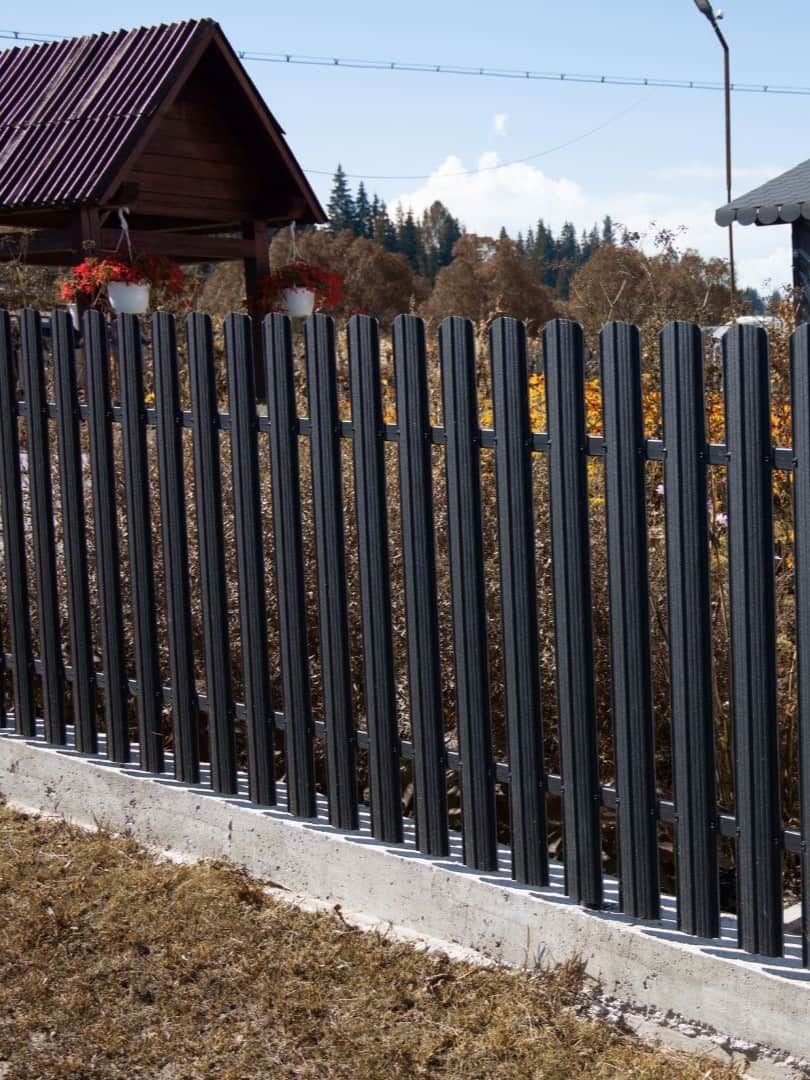
Chicago homeowners understand the unique challenges that the Windy City's climate presents to outdoor structures, especially fences. From harsh winter freeze-thaw cycles to humid summer storms, Lincoln Square residents know that proper fence maintenance is essential for protecting their property investment. Whether you have a classic wrought iron fence, wooden privacy panels, or modern aluminum barriers, implementing the right maintenance strategies can significantly extend your fence's lifespan while preserving its appearance and functionality.
This comprehensive guide focuses on fence maintenance tips specifically tailored for Chicago homeowners, with particular attention to the unique conditions found in neighborhoods like Lincoln Square. From seasonal care routines to identifying potential problems before they become costly repairs, we'll explore practical approaches that help local residents maximize their fence's durability. Professional fence repair and maintenance services can also play a crucial role in keeping your property boundaries looking their best year-round.
Understanding Chicago's Climate Impact on Fence Materials
How seasonal weather extremes affect different fence types
Chicago's continental climate creates a perfect storm of conditions that can accelerate fence deterioration. Winter temperatures often plummet below freezing while summer heat can soar into the 90s, creating expansion and contraction cycles that stress fence materials. Snow accumulation adds weight and moisture exposure, while spring thaws can shift soil and compromise fence post stability.
Wood fences face particular challenges from moisture fluctuations, with wet springs and humid summers promoting rot and insect damage. Metal fences, while generally more durable, can develop rust spots where protective coatings have been compromised by temperature cycling or physical damage from ice and debris.
Lincoln Square's specific environmental considerations
Lincoln Square's tree-lined streets and mature landscaping create microclimates that can affect fence maintenance needs. Overhanging branches can trap moisture against fence surfaces, while falling leaves and debris can accumulate along fence lines, creating conditions that promote decay or pest infestations.
The neighborhood's mix of historic and modern homes also means fences of various ages and materials coexist, each requiring tailored maintenance approaches. Older homes may have established fence lines that have settled over decades, requiring special attention to ensure continued structural integrity.
Essential Seasonal Maintenance Routines for Maximum Longevity
Spring preparation and damage assessment
Spring marks the ideal time for comprehensive fence inspection and maintenance in Chicago. Begin by walking your entire fence line, looking for winter damage such as loose boards, bent sections, or compromised posts. Check for signs of frost heave that may have shifted fence posts or created gaps in the foundation.
Remove accumulated debris, leaves, and any vegetation that has grown against fence surfaces during the dormant season. This prevents moisture retention that could lead to rot or corrosion. Spring is also the perfect time to apply fresh stain or protective coatings before the harsh summer sun and humidity arrive.
Summer upkeep during Chicago's humid months
Chicago summers bring intense humidity and occasional severe storms that can stress fence structures. Regular cleaning becomes crucial during this period, as dirt and organic matter can hold moisture against fence surfaces. Use appropriate cleaning solutions for your fence material, whether it's gentle soap for wood or specialized metal cleaners for iron or aluminum.
Monitor vegetation growth around fence lines, as rapidly growing summer plants can quickly overwhelm fence structures or create drainage problems. Trim back any branches or shrubs that touch fence surfaces, as constant contact can wear away protective finishes.
Fall winterization strategies
Preparing your fence for Chicago's notorious winters is perhaps the most critical maintenance period. Clean gutters and drainage systems that direct water near fence lines, as ice formation can create significant structural stress. Apply weatherproofing treatments to wood fences and touch up any paint or protective coatings on metal fences before temperatures drop.
Secure any loose fence components that could be damaged by winter winds or snow loading. Consider installing temporary wind barriers in particularly exposed areas if your fence shows signs of weather stress from previous winters.
Material-Specific Maintenance Guidelines for Chicago Properties
Wood fence care in varying moisture conditions
Wood fences require the most intensive maintenance in Chicago's climate but can provide decades of service with proper care. Annual staining or sealing is essential, with the best application window typically falling in late spring or early fall when temperatures are moderate and humidity is lower.
Inspect wood fences for signs of insect damage, particularly carpenter ants or termites that thrive in moist conditions. Replace damaged boards promptly, as compromised sections can quickly spread deterioration to adjacent areas. Ensure proper drainage around fence posts, as standing water is wood's greatest enemy.
Metal fence preservation techniques
Metal fences, including iron, aluminum, and steel varieties, offer excellent durability in Chicago's climate when properly maintained. The key to longevity lies in maintaining protective coatings that prevent rust and corrosion. Inspect regularly for chips, scratches, or worn areas where moisture can penetrate to the underlying metal.
For homeowners with existing wrought iron fence installation projects, annual touch-up painting in high-wear areas can prevent small problems from becoming major restoration projects. Use rust-inhibiting primers and high-quality exterior paints designed for metal surfaces exposed to Chicago's challenging weather conditions.
Vinyl and composite maintenance considerations
While vinyl and composite fences require less intensive maintenance than wood or metal options, they still benefit from regular care. These materials can become brittle in extreme cold, making winter inspections important for identifying stress cracks or damaged sections that could fail during temperature fluctuations.
Regular cleaning with mild detergents helps prevent staining and maintains appearance, particularly important in Lincoln Square's well-maintained residential environment. Check hardware and fasteners regularly, as thermal expansion can loosen connections over time.
Identifying and Addressing Common Fence Problems in Urban Settings
Recognizing early signs of structural issues
Early problem identification is crucial for cost-effective fence maintenance. Look for subtle signs like slight leaning, gaps between boards, or minor rust spots that indicate developing problems. Posts that appear to be shifting or sections that no longer align properly may indicate foundation issues that require prompt attention.
Pay attention to gate operation, as binding or sagging gates often signal broader structural problems. Hardware that's becoming difficult to operate or showing excessive wear may indicate that fence components are under stress from shifting or settling.
When professional intervention becomes necessary
While many maintenance tasks can be handled by motivated homeowners, certain situations require professional expertise. Structural damage, extensive rust or rot, or problems involving property lines should be addressed by experienced contractors who understand local building codes and installation standards.
Foundation issues, such as shifting posts or extensive settlement, require specialized knowledge to correct properly. Professional assessment can determine whether repairs are feasible or if section replacement would be more cost-effective in the long term.
Cost-Effective Maintenance Strategies for Lincoln Square Residents
DIY maintenance tasks that save money
Many essential fence maintenance tasks can be accomplished by homeowners with basic tools and materials. Regular cleaning, minor hardware tightening, vegetation management, and touch-up painting are all within the capabilities of most property owners. Creating a seasonal maintenance schedule helps ensure these tasks are completed before small problems become expensive repairs.
Investing in quality materials for maintenance tasks pays dividends in longevity. Premium stains, paints, and cleaning products may cost more initially but often provide superior protection and longer intervals between applications.
Budget planning for professional maintenance services
Setting aside funds for professional maintenance services helps ensure your fence receives proper care when needed. Annual professional inspections can catch problems early, while periodic deep cleaning or refinishing services can extend fence life significantly beyond what DIY maintenance alone can achieve.
Consider scheduling major maintenance tasks during contractors' slower seasons, which often coincide with ideal weather conditions for fence work in Chicago. Spring and fall scheduling can often result in better availability and competitive pricing.
Preventive Measures to Maximize Fence Durability
Proper drainage and landscaping practices
Water management is perhaps the most critical factor in fence longevity. Ensure proper grading around fence lines directs water away from posts and foundations. Install or maintain drainage systems that prevent water accumulation during Chicago's heavy spring rains and rapid snow melts.
Thoughtful landscaping choices can either support or undermine fence maintenance efforts. Select plants that complement rather than compete with fence structures, avoiding species with aggressive root systems or those that require frequent watering near fence lines.
Regular inspection schedules and record keeping
Establishing regular inspection routines helps identify maintenance needs before they become urgent repairs. Monthly visual inspections during growing season and quarterly detailed examinations during dormant periods provide adequate monitoring for most residential fences.
Maintaining records of maintenance activities, including dates, materials used, and problems identified, helps track fence condition over time and can be valuable for warranty claims or when planning major maintenance projects.
Conclusion
Proper fence maintenance is essential for Chicago homeowners who want to protect their property investment and maintain neighborhood aesthetics. Lincoln Square residents face unique challenges from the city's harsh climate and urban environment, but implementing consistent seasonal maintenance routines can significantly extend fence lifespan while preventing costly emergency repairs. From spring damage assessments to winter preparation strategies, regular care tailored to your fence material and local conditions ensures years of reliable service and maintained property value.
Get Professional Fence Maintenance Help in Chicago
If you're looking for expert fence maintenance and repair services in Lincoln Square and throughout Chicago, Americana Iron Works & Fence is here to help. Our experienced team understands the unique challenges that Chicago's climate presents to residential fencing and can provide comprehensive maintenance solutions to keep your fence looking and functioning at its best for years to come.
Frequently Asked Questions
How often should I inspect my fence for maintenance needs in Chicago's climate?
Chicago homeowners should conduct visual inspections monthly during spring and summer, with more detailed quarterly examinations throughout the year. The harsh winter conditions and rapid spring thaws can create or reveal problems quickly, making regular monitoring essential for catching issues before they require expensive repairs.
What's the most important maintenance task for extending fence life in Lincoln Square?
Maintaining proper drainage around fence posts and foundation areas is the single most critical factor for fence longevity. Chicago's freeze-thaw cycles and heavy precipitation can quickly compromise fence stability when water accumulates around structural components. Ensuring water flows away from fence lines prevents most serious structural problems.
When is the best time of year to apply protective coatings to fences in Chicago?
Late spring (May) and early fall (September) typically provide ideal conditions for applying stains, paints, or protective coatings in Chicago. These periods offer moderate temperatures, lower humidity, and minimal precipitation, allowing proper curing before extreme weather conditions arrive.
How can I tell if my fence damage requires professional repair versus DIY maintenance?
Minor issues like loose hardware, small rust spots, or individual damaged boards can often be addressed by homeowners. However, structural problems such as leaning posts, extensive rot or rust, foundation settling, or damage affecting multiple fence sections typically require professional assessment and repair to ensure safety and code compliance.
What should Lincoln Square residents budget annually for fence maintenance?
Annual fence maintenance costs in Chicago typically range from $200 to $800 for DIY materials and supplies, depending on fence size and material type. Adding periodic professional services like deep cleaning, refinishing, or minor repairs can add $300 to $1,200 annually, but often prevents much more expensive replacement costs.
Are there specific Chicago building codes that affect fence maintenance requirements?
While Chicago doesn't mandate specific maintenance schedules, property owners are responsible for ensuring fences remain structurally sound and don't pose safety hazards. Fences along sidewalks or in commercial areas may have additional requirements. Always check with the city when planning major repairs or modifications to ensure compliance with current codes.