
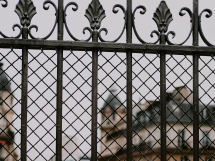
In a city like Chicago, where architecture plays such an important role in neighborhood identity and property value, investing in long-lasting, visually striking elements is a smart move for homeowners and business owners alike. One timeless architectural feature that continues to prove its worth is custom ironwork. Whether it’s a tailored wrought iron gate, intricate balcony railings, or sturdy security bars, hand-crafted iron structures blend durability with curb appeal, functionality, and historical relevance.
This article dives into the benefits of custom ironwork, especially in the Chicago area, where climate, design traditions, and property expectations make it a valuable investment. Let's explore how high-quality ironwork enhances both residential and commercial properties from top to bottom.
Understanding the Role of Custom Ironwork in Property Design
Architectural impact of ornamental iron elements
Ornamental ironwork is more than decoration-it contributes to a property’s overall visual story. Elements such as wrought iron fences, stair railings, and window grilles are often focal points that frame and define a home or storefront. When crafted with precision, iron features can accentuate architectural lines, increase curb appeal, and communicate permanence.
Especially in older Chicago neighborhoods like Lincoln Park or Wicker Park, the use of wrought iron complements existing architectural forms, including Greystones and brick two-flats. Adding such elements enhances both the authenticity and beauty of a property’s design.
Historical and cultural relevance in Chicago architecture
Chicago has long embraced ironwork in construction and design, from its early industrial architecture to classic brownstones. Fire escapes, railings, and fences-often made of wrought iron-aren’t just functional; they’re part of the city’s cultural footprint.
Custom iron features mirror this historic charisma. For homeowners hoping to preserve architectural integrity or businesses looking to honor local aesthetic standards, custom craftsmanship keeps that tradition alive while adding modern reliability.
Common types of custom ironwork features
In both homes and businesses, some of the most popular custom ironwork applications in Chicago include:
Fencing and entry gates
Porch and balcony railings
Window guards and security grilles
Fire escapes and access ladders
Decorative panels or signage frames
These can be tailored to fit the structure’s layout and needs while reflecting personal or brand preferences.
Key Benefits of Custom Ironwork for Homeowners and Businesses
Aesthetic contributions to curb appeal
One of the most visible benefits of custom ironwork is the immediate aesthetic improvement. Ornamental iron features are timeless, elevating a property’s presence on the street. Check out our Added security through gates, railings, and window guards for more details.
For residential properties, this often means more appealing porch railings, standout front gates, and enhanced landscaping borders. Businesses utilize ironwork to frame entryways or define outdoor seating areas, creating a professional and captivating look that draws attention.
Functionality and durability for everyday use
Beyond looks, custom ironwork delivers long-term practical benefits. Properly built iron components not only hold up under frequent use but also resist Chicago's weather extremes. High-quality iron offers greater resistance to warping or breaking than wood or cheaply fabricated metals, making it the responsible choice for property owners seeking lasting value.
Added security through gates, railings, and window guards
Security is another strong point. Iron gates and window guards protect both homes and storefronts from unwanted access while still looking polished. With thoughtful design, custom iron features provide security that feels integrated, not invasive.
For Chicago businesses, visible barriers like stylish grilles add a sense of professionalism while also deterring break-ins. Residential owners appreciate the peace of mind and the enhanced safety for children, pets, and guests.
Residential Ironwork Applications: Form Meets Function
Popular ironwork choices for single-family homes
In Chicago’s diverse housing stock, from bungalows to three-flats, residential ironwork has wide applications. Common selections include:
Decorative fencing and front entry gates
Iron porch and stair railings
Window grilles and decorative awnings
Garden arbors or trellises
These features serve both decorative and security functions, blending seamlessly into traditional or modern designs. Learn more about Enhancing porches, balconies, and stairways with iron.
Enhancing porches, balconies, and stairways with iron
Porches and balconies are standout areas where ironwork can shine. Custom railings, for example, can turn a simple stoop into a refined entryway. Besides aesthetics, they ensure safety and code compliance for children and guests.
Custom stair railings-interior or exterior-add a sense of craftsmanship that sets a home apart from neighboring properties while standing up to decades of use.
How personalized designs align with long-term home value
Custom designs elevate more than appearance-they contribute to the perceived value of a property. Iron features that nod to existing architecture or match nearby properties can increase appeal during resale. And unlike trendy materials, wrought iron ages gracefully, aligning with long-term homeowner priorities.
Commercial Property Enhancements Through Ironwork
Custom iron features for storefront presentation
For commercial properties in Chicago, first impressions are everything. Iron-framed signage, stylized security barriers, and pergola or patio enclosures help define a business's brand presence.
Custom ironwork allows local businesses, from cafes to boutiques, to reflect professionalism and permanence. Unique iron details make storefronts memorable, adding a visual edge that attracts foot traffic and builds trust.
Safety and compliance considerations in commercial settings
In commercial applications, ironwork safety and compliance standards are especially important. Items like guardrails, access ladders, and fire-escape systems must meet city codes.
Custom ironwork from a licensed and insured contractor like Americana Iron Works & Fence ensures each feature is built to spec, minimizing liability and helping businesses stay in compliance with Chicago regulations.
Durability and long-term value for high-traffic areas
High-traffic areas require materials that withstand wear. Iron features hold up well in entryways, staircases, and exterior gathering spaces where repeated use is the norm. Over time, this translates to lower repair costs and a consistent, professional image.
Choosing the Right Material: Wrought Iron vs. Other Options
Strength and longevity of wrought iron
Wrought iron remains a top material choice for custom applications due to its exceptional strength. It resists impacts and, with proper maintenance, can last for several generations. This makes it ideal for both decorative and security elements.
How modern materials compare in function and appearance
Alternatives like aluminum or vinyl may be lighter or easier to install, but they generally lack the strength and character of wrought iron. These materials can work for certain applications, but they often cannot match the detail, texture, and presence of hand-forged iron.
Why wrought iron remains a trusted option in Chicago
In a place like Chicago, where weather and urban density place demands on outdoor features, wrought iron remains a trusted standard. Its timeless quality matches local architecture, and its toughness suits the city’s seasonal extremes.
Long-Term Maintenance of Iron Features in Urban Environments
Preventing rust in varying Chicago weather conditions
Chicago's seasonal climate, from ice and snow to heat and humidity, can stress many building materials. Iron is no exception, but routine care significantly extends its life. Regular inspections and touch-up painting help prevent rust, particularly in high-exposure zones like fences and stair railings.
Repair vs. replacement: When to address wear and tear
Custom ironwork is designed for longevity, but at some point, owners might notice issues like joint separation, rust pitting, or worn finishes. In many cases, repairs by a skilled ironworker are far more cost-effective than replacement, especially for ornamental pieces.
Proper coatings and finishes to extend ironwork lifespan
Protective coatings-whether paint, powder coating, or galvanizing-are essential. These finishes provide a moisture-resistant barrier that shields iron from Chicago’s wet conditions and pollution. Regular upkeep of this protective layer maintains appearance and integrity for years to come.
Ironwork Safety and Compliance Standards for Local Properties
Chicago building codes and ironwork regulations
The City of Chicago maintains clear guidance on ironwork installations, particularly where safety is concerned-railings must meet height and spacing regulations, fire escapes must be accessible and unobstructed, and gates must not block emergency access. See our guide on How professional fabrication ensures code compliance.
Working with a company experienced in Chicago codes ensures your ironwork doesn’t just look good-it’s fully compliant.
Liability considerations for property owners
Property owners bear legal responsibilities for safe access and functional safety features. Poorly installed or deteriorating ironwork can lead to liability claims if it causes injury.
Having a professional team handle both design and fabrication not only reduces risk but also establishes clear records of code compliance.
How professional fabrication ensures code compliance
Contractors like Americana Iron Works & Fence are licensed, bonded, and insured, meaning every project is executed with full accountability. That includes acquiring appropriate permits, ensuring inspections, and adhering to local engineering and fabrication standards.
Answering Common Questions About Custom Ironwork in Chicago
How much does custom iron work cost in the Chicago area?
Pricing varies based on complexity, size, and materials. In general, homeowners can expect project costs to start around $1,000 for small features and increase based on custom design needs. Investing in professional-quality materials and fabrication, however, ensures lasting value.
Why is wrought iron less commonly used today?
Wrought iron requires more labor and skill compared to mass-produced materials like aluminum or vinyl. As production methods changed, many manufacturers moved toward cheaper alternatives. Still, for those prioritizing value, aesthetics, and strength, wrought iron remains a premium and worthwhile option.
What are five practical uses of wrought iron in properties?
Fencing: For security and boundary definition.
Railings: Along stairs, balconies, and porches.
Gates: Both decorative and secure entries.
Fire Escapes: Durable and code-compliant safety features.
Window Guards: Added security with visual style.
Conclusion
Investing in custom ironwork is a smart way to enhance the function, style, and long-term value of any property in Chicago. From historical charm to modern security, well-crafted iron elements positively impact both residential and commercial spaces.
If you're considering custom iron features for your property, trust the experienced professionals at Americana Iron Works & Fence. With over 30 years serving the Chicagoland area, we're proud to offer dependable, code-compliant craftsmanship built to last.
Ready to elevate your space? Contact us today to start your custom ironwork project.
Frequently Asked Questions
How does custom ironwork contribute to a property’s resale value in Chicago?
Custom ironwork significantly boosts curb appeal and perceived property value by providing a timeless, high-end aesthetic that complements Chicago’s historic architecture. Potential buyers often view wrought iron as a sign of permanence and quality construction. Features like custom entry gates and balcony railings not only differentiate a home in a competitive market like Lincoln Park or Wicker Park but also provide functional security and safety that many buyers prioritize.
What are the main differences between custom wrought iron and mass-produced aluminum fencing?
While aluminum is lighter and easier to install, it lacks the structural strength and hand forged detail of custom wrought iron. Wrought iron is significantly more impact-resistant, making it a superior choice for security and high-traffic areas. Additionally, custom ironwork can be tailored to match specific architectural dimensions and styles, whereas mass-produced options are limited to standard factory designs that may not align with the unique character of a Chicago Greystone or bungalow.
How often do custom iron features require maintenance in the Chicago climate?
To prevent rust in Chicago’s humid summers and snowy winters, iron features should be inspected annually. High-quality powder coatings or professional paint finishes typically last 5 to 7 years before needing a significant touch-up. Regular maintenance, such as cleaning off road salt in the spring and addressing small chips in the paint immediately, can extend the life of the ironwork for decades and prevent the need for costly structural repairs.
Are there specific Chicago building codes for custom iron railings and fire escapes?
Yes, the City of Chicago has strict regulations regarding the height and spacing of ironwork for safety. For example, balcony railings must generally be at least 42 inches high, and pickets must be spaced so that a 4-inch sphere cannot pass through. Commercial fire escapes and access ladders must also meet specific load-bearing and accessibility standards. Working with a licensed and insured contractor ensures that your custom ironwork meets all local safety codes and passes city inspections.