
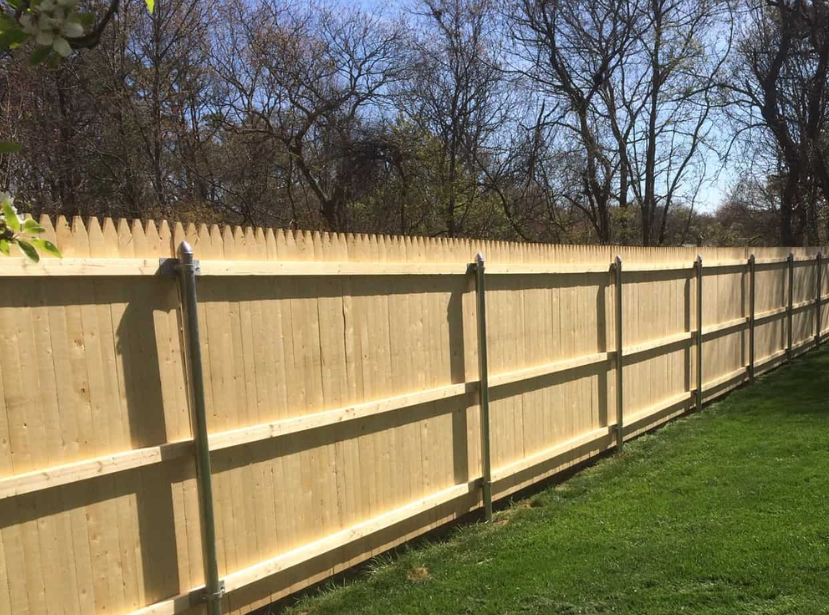
Ensuring fence safety for children and pets is a top priority for Chicago homeowners and property managers. Whether you're upgrading an aging boundary or installing a new enclosure, a safe, durable, and code-compliant fence matters not just for curb appeal, but for the well-being of your loved ones-and your neighbors'. With over 30 years of experience, Americana Iron Works & Fence understands both the practical and legal considerations Chicago property owners must balance. This guide will walk you through everything from materials and regulations to maintenance and local code challenges unique to the Chicagoland area.
Understanding Fence Safety Risks for Children and Pets: Common hazards in residential fencing
Fences might seem simple, but certain designs or materials can pose serious risks:
Sharp edges, nails, or wires that can injure curious children or animals
Gaps wide enough for small pets to escape or get stuck in
Climbing footholds that make it easy for children to scale unsecured sections
Inadequate latching, allowing gates to swing open unexpectedly
These dangers can be mitigated by thoughtful design and installation practices that take daily family life into account. Check out our common hazards in residential fencing for more details.
Why local conditions in Chicago matter for safety
Chicago’s weather, marked by snowy winters, high winds, and heavy rainfall, can affect fence integrity over time. Rust from moisture, splintering wood, and frost-heaved posts may all compromise safety. For example, freeze-thaw cycles can loosen fence anchors, widening gaps and making structures less stable.
These issues are especially concerning in urban and historic neighborhoods, where fences may already be decades old and permit restrictions complicate updates.
Typical behaviors of children and pets around fences
Children may lean, climb, or push against fences out of curiosity. Pets, especially dogs, may dig or jump when they see passersby. A fence must be sturdy enough to withstand this behavior without failing or offering natural footholds for climbing or escape. With the proper precautions, a fence can become more than a house barrier-it becomes part of your home’s overall safety plan.
Choosing Safe Fencing Materials That Withstand Chicago WeatherDurable, non-toxic materials for long-term use
The best fence materials are those that balance safety, durability, and environmental resilience. For families with kids and pets, consider:
Powder-coated wrought iron
Galvanized steel
Vinyl or PVC (lead-free certified)
Composites with sealed surfaces
These materials reduce the chance of injury, are non-toxic, and can hold up reliably under weather stress.
Avoiding materials that splinter, rust, or warp
Wood, while traditional and often aesthetically appealing, can present safety risks if not properly maintained. Untreated wood can splinter, creating puncture risks. Rust-prone metals like plain iron or low-grade steel may weaken with time, especially in Chicago’s damp winters.
Choosing treated or inherently weather-resistant options can pay off in both safety and longevity.
How temperature and moisture impact material safety
Common issues in Chicagoland include:
Expansion and contraction due to freeze-thaw cycles loosening joints
Rust-promoting humidity, leading to degradation in metal fixtures
Saturated soil that weakens posts, especially if not properly anchored
Using weather-rated materials and professional installation ensures your fence performs safely during all seasons.
Meeting Fence Height Regulations to Prevent Climbing and EscapesRecommended heights for homes with children or pets
Choosing the right height is essential to prevent climbing and jumping risks:
For families with children: 4-5 feet is generally safe, minimizing temptations to climb.
For dog owners: 5-6 feet is ideal for medium to large breeds that might otherwise jump or scale lower fences.
Avoid horizontal design features like cross-pickets that can be used as ladders.
Chicago-specific fence height codes and limits
The Chicago building code for fences typically allows front yard fencing up to 4 feet and backyard fencing up to 6 feet without a special permit, though there may be exceptions based on zoning or corner lot visibility requirements.
Always confirm with the Department of Buildings or consult a licensed contractor familiar with local codes.
Adapting height without violating city regulations
If your design needs exceed standard height restrictions, for example, to deter a large dog from jumping, you’ll likely need to file for a zoning variation or permit. A fence professional fluent in permit requirements for fences in Chicago can suggest creative, code-compliant alternatives like set-back fencing, decorative top extensions, or built-in landscaping enhancements.
Permit Requirements and Building Codes Every Chicago Property Owner Should Know. When a permit is required for fence installation
In Chicago, permits are generally required for:
Fences taller than 6 feet
Fences using retained or permanent structural components
Property-line enclosures that exceed standard zoning allowances
Smaller repairs or replacements may not need permits, but verifying before starting saves time and legal fees. Learn more about Chicago building code for fences.
Overview of the Chicago building code for fences
Key elements of the Chicago building code for fences include:
Maximum standard fence height: 6 feet in rear yards
Material usage: No barbed wire, sharp points, or unsafe finishes
Setback requirements, particularly for corner lots to protect clear sightlines
Staying code-compliant reduces the risk of city violations or forced fence removal.
Documentation and inspection expectations
Depending on scope, you may need to provide:
Plot plans showing fence location
Structural diagrams if using heavy materials
Sign-offs from adjacent property owners (in tight-lot areas)
Post-installation inspections may also be required. A licensed contractor like Americana Iron Works & Fence can assist in navigating these processes efficiently.
Property Line Fence Rules and Boundary Considerations: Defining exact property boundaries before building
Before you build or repair a fence in Chicago, it's essential to:
Review your property deed or plat of survey: This helps define true legal boundaries.
Check for encroachments or easements: Utility lines, shared driveways, or landscaping easements may affect fence placement.
Mistakes here lead to property disputes or forced relocations-both costly and avoidable.
The good neighbor fence law in Illinois explained
Illinois follows shared boundary principles. If you and your neighbor both benefit from a fence built along the property line, costs and maintenance responsibilities are typically shared. This is known as the good neighbor fence law.
However, mutual agreement is recommended before installation to avoid future conflict.
Resolving fencing disputes with adjacent properties
Even in well-established blocks, disputes arise over perceived encroachments, material selections, or maintenance. To prevent and resolve issues:
Share plans before building
Document all conversations in writing
Hire a neutral surveyor or mediator if needed
Reputable fence contractors often act as intermediaries to ensure alignment with regulations and best practices.
Design Features That Improve Fence Safety for HouseholdsSecure latching gates and child-proof mechanisms
Safe gates keep children inside and uninvited animals out. Choose:
Self-closing, self-latching gate hardware
Locks installed above child reach
Mechanisms that don't easily open under pressure or bouncing
These features make a major safety difference in both front and back yards.
Visibility and spacing between pickets or rails
Picket spacing should be close enough to prevent pet escape or child entrapment. Common guidelines include:
Less than 4 inches spacing for pet- and baby-safe fencing
Clear sightlines for supervision from within and outside the yard
Fencing that avoids complete opacity also helps deter wildlife or trespassers from targeting hidden areas of your home.
Eliminating gaps, sharp edges, and footholds
Details matter when it comes to fence safety for children and pets:
Smooth, rounded edges to avoid scratches
Flush mountings and hidden hardware to reduce poking risks
Vertical rail designs over crossbars that create stair-like climbing opportunities
Well-executed craftsmanship plays a direct role in daily family safety.
Long-Term Maintenance Tips for Family-Safe FencingInspecting and repairing damage proactively
Regular inspections-especially post-winter-can catch problem spots before they worsen. Look out for:
Loose fasteners
Cracked panels
Leaning sections
Weakened posts at the base
Many issues can be fixed quickly when addressed early. See our guide on repairing damage proactively.
Dealing with rust, wear, and loose components
Metal fences are sturdy but vulnerable to rust in Chicago's humid summers and snowy winters. Use:
Rust-inhibiting primers
Annual touch-ups on vulnerable joints
Stainless steel or powder-coated components
Maintenance preserves looks and keeps the barrier secure.
When to consider reinforcement or upgrades
Families evolve, and so do property needs. Consider reinforcement when:
Pets grow larger or become counter-escape artists
Children mature and attempt fence climbing
Fence materials show signs of wear beyond surface level
A professional review every 10-15 years helps stay ahead of these transitions.
Local Factors That Influence Fence Safety Around Chicago HomesUrban wildlife and stray animals as external risks
Raccoons, opossums, and stray dogs can dig under or climb over poorly designed fences. Consider:
Dig-resistant base barriers
Toppers or coyote rollers for added escape prevention
Inspecting lower fence perimeters regularly
These additions can be especially valuable in older Chicago neighborhoods with abundant wildlife.
Wind loads and snow accumulation on fencing
Extreme weather is not uncommon in Illinois. Snow loads and high winds pose risks like:
Fence panel buckling
Post shifting
Gate alignment failure
Secure anchoring, proper pitch, and strategic bracing all support long-term functionality through all seasons.
Neighborhood norms around fencing practices
In many Chicago neighborhoods-especially regulated historic zones-there may be unofficial style or material preferences. Aligning with these expectations can help avoid complaints or resale complications.
Working with a locally established contractor ensures not only compliance but also compatibility with the neighborhood aesthetic.
Conclusion:
Creating a family- and pet-safe fence in Chicago means much more than installing a barrier. It involves thoughtful decisions on materials, height, boundaries, and compliance with local law. At Americana Iron Works & Fence, we bring over 30 years of expertise in crafting fences that are safe, code-compliant, and built to thrive in Illinois weather.
Looking for guidance that matches your property’s needs? Contact us to ask questions or request a quote for your next fence project.
Frequently Asked Questions: What are the safest picket spacing standards for families with small children?
To prevent a child from getting their head stuck or squeezing through, industry safety standards like ASTM suggest that picket spacing should be less than 4 inches. In Chicago, many homeowners opt for even tighter spacing or specialized "puppy panels" that reduce the gap at the bottom of the fence. This ensures that both toddlers and small pets remain safely contained within the yard.
Which fencing materials are best for withstanding Chicago weather while remaining pet-safe?
Powder-coated wrought iron, galvanized steel, and lead-free vinyl are top choices for Chicago’s climate. These materials do not splinter like wood can after a harsh winter, and they resist the rust caused by heavy snow and road salt. Unlike traditional wood, which requires sanding and staining to prevent puncture risks from splinters, these durable options provide a smooth, non-toxic surface for pets and children.
What are the Chicago fence height rules for properties with large dogs?
In Chicago, you can generally install a backyard fence up to 6 feet tall without a special zoning variation, which is the recommended height for containing medium to large dog breeds. For front yards, the height is typically limited to 4 feet to maintain visibility and neighborhood aesthetics. If you have a highly active dog that can jump a 6-foot barrier, you may need to consult with a professional about specialized extensions or landscaping buffers that comply with city code.
Does Illinois law require neighbors to share the cost of a safety fence?
Under the Illinois good neighbor fence principle, adjoining landowners who share a boundary fence are generally expected to contribute to the "just proportion" of the construction and maintenance costs. However, this often applies when the fence is located directly on the property line and serves both parties. To avoid disputes, it is best to share your plans and get a written agreement with your neighbor before installing a safety fence on a shared boundary.