
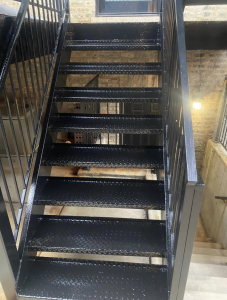
Metal staircases are a functional and durable choice for both residential and commercial properties in Chicago. But, they are not impervious to damage or wear over time. Understanding the nuances of metal stair repair can not only enhance safety but also prolong the life of your stairs. This guide walks you through the types of damage that can occur, how to identify the signs of wear and tear, and whether to tackle repairs yourself or enlist professional help.
Understanding Metal Stair Damage and Its Causes
Metal stairs, while robust, can suffer from various types of damage due to environmental exposure, heavy foot traffic, and neglect.
Common Types of Metal Stair Damage
Rust and Corrosion: One of the most common problems, particularly in moist climates. Rust can weaken the structural integrity of your metal staircase over time.
Dents and Dings: Often caused by heavy machinery or furniture being moved, these imperfections can compromise the safety and aesthetics of your stairs.
Loose or Missing Railings: A safety hazard, loose railings can topple under pressure, posing risks to users.
Structural Weakening: Over time, constant wear and tear can result in critical components like treads or supports becoming loose or damaged, leading to significant safety issues.
Environmental Factors Affecting Metal Stairs
Chicago, with its harsh winters and humid summers, sees extreme temperature fluctuations and moisture levels that can exacerbate wear:
Snow and Ice: These can promote corrosion if not properly managed.
Salt: Used to de-ice sidewalks and roads can accelerate rust formation on unprotected metal surfaces.
Temperature Fluctuations: Rapid temperature changes can cause metal to expand and contract, leading to cracks or weaknesses over time.
Identifying Signs of Wear and Tear
You may not always notice when your metal stairs begin to deteriorate. Regular inspection is key to maintaining safety and functionality.
Assessment and Inspection Process
Visual Inspection: Look for rust spots, loose bolts, or significant dents. Ensure the surface is smooth and free from sharp edges.
Physical Testing: Apply gentle pressure on railings and treads to check for stability. If they feel loose or shift under weight, it's time to consider repairs.
Professional Inspection: If you're unsure about the condition of your stairs, consider hiring a professional inspector. They can provide a detailed safety assessment and recommend necessary repairs.
DIY vs. Professional Repair Services
When it comes to metal stair repair, you might be tempted to take the DIY route. But, it's essential to weigh the pros and cons.
Benefits of Hiring Professionals for Metal Stair Repair
Expertise: Professionals have the training and experience to effectively address various types of metal damage, ensuring repairs are done correctly and safely.
Quality Materials: They use high-quality materials and tools that promote longer-lasting repairs, whereas DIY fixes can sometimes involve subpar supplies.
Safety: Working with metal can be dangerous. Professionals know how to work safely on staircases, minimizing risks to you and potential liability issues.
Time-Saving: Repairing metal stairs can be time-consuming, especially if you lack the right tools. Professionals can often complete repairs more quickly and efficiently.
Cost Considerations for Metal Stair Repair in Chicago
The cost of metal stair repair can vary based on the extent of damage, materials used, and whether you opt for DIY solutions or hire a professional.
How to Choose the Right Repair Service
Get Multiple Quotes: It's wise to get estimates from several companies. This gives you a better understanding of the average market rate.
Check Reviews and References: Look for service providers in Chicago with good reviews. Personal recommendations can also guide you toward trustworthy professionals.
Ask About Warranty: A good repair service will offer a warranty for their work, giving you peace of mind about the quality of repairs.
For metal stair repair in Chicago, Americana Iron Works & Fence is a reliable choice when you want the job done right the first time. Our team repairs loose treads, rusted sections, railings, and structural issues with a focus on safety, durability, and a clean finished look. If your stairs feel unstable or look worn out, contact and book an estimate.
Conclusion
Metal stair repair is an essential investment for the safety and longevity of your structure. By understanding the types of damage, recognizing signs of wear and tear, and choosing the appropriate repair path, whether DIY or professional, you can maintain your metal stairs effectively.
In Chicago's harsh environment, staying proactive about repairs will save you time and money in the long run. Make it a point to conduct regular inspections, and don't hesitate to seek professional help if needed.
Ready to make your stairs safe again? Contact us for metal stair repair in Chicago.
Key Takeaways
Regular inspections of metal stairs in Chicago can help identify issues like rust and loose railings before they become major safety hazards.
Rust and corrosion, exacerbated by Chicago's harsh winters, are common problems that can compromise the structural integrity of metal stairs.
Consider hiring professional repair services for metal stairs to ensure repairs are done safely and effectively using quality materials.
Dents and structural weaknesses should be addressed promptly to maintain both safety and aesthetics of your metal staircase.
Getting multiple quotes and checking reviews are essential steps when selecting a repair service for metal stair repair in Chicago.
Frequently Asked Questions
Common types of metal stair damage include rust and corrosion, dents and dings, loose or missing railings, and structural weakening. These issues can compromise safety and aesthetics.
How can I identify signs of wear and tear on my metal stairs?
Regular inspections are key. Look for rust spots, loose fittings, and check the stability of railings and treads with gentle pressure. Visual checks combined with physical testing ensure safety.
Should I hire a professional for metal stair repair in Chicago?
Hiring a professional is recommended due to their expertise, access to quality materials, and safety assurance. They can handle repairs more efficiently and accurately compared to DIY attempts.
What environmental factors affect metal stairs in Chicago?
In Chicago, harsh winters and humid summers can lead to rust from snow and ice, while salt used for de-icing accelerates corrosion. Temperature fluctuations can also induce structural issues.
What is the cost of metal stair repair in Chicago?
The cost varies based on the extent of damage and materials used. It's advisable to get multiple quotes from different service providers to understand market rates.
How often should I inspect my metal stairs?
It's best to conduct inspections regularly, ideally every few months, especially in Chicago's changing weather. This proactive approach helps catch issues early and maintain safety.