
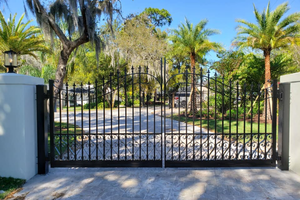
Preventing Gate Failures: Common Maintenance Issues and When to Call a Professional
Gates serve as the first line of defence for your property, providing both security and aesthetic appeal. But, like any mechanical system, gates can encounter issues that lead to failures. The last thing you want is to be locked out or facing costly repairs due to preventable problems. This article will explore common gate failures, essential maintenance practices you can adopt, and the critical moments when you should bring in a professional.
Understanding Common Gate Failures
Gates can fail for numerous reasons, often stemming from wear and tear or lack of proper maintenance. Here are some common failures you might encounter:
Misalignment: Over time, gates can become misaligned due to shifting ground or wear on hinges. This issue can lead to difficulty in opening and closing, leaving your property vulnerable.
Rust and Corrosion: Metal gates are particularly susceptible to rust, especially if they're not regularly treated. Rust weakens the material, affecting durability.
Electrical Failures: For electric gates, issues like faulty wiring or malfunctioning motors are common. These failures can prevent the gate from operating altogether.
Broken Components: Hinges, latches, and locks can break due to constant use or exposure to the elements. A broken latch can compromise your security, while malfunctioning locks can leave you locked out.
Wear on Tracks: Sliding gates can experience wear on the tracks they move along. Damaged tracks can cause the gate to jam or slide unevenly, making operation cumbersome.
Routine Maintenance Practices
Preventive maintenance is key to a long-lasting gate. Here are some essential practices:
Regular Cleaning: Dirt and debris can accumulate in moving parts or on the gate itself, leading to operational issues. Make it a habit to clean your gate regularly, focusing on hinges and tracks.
Lubrication: Use appropriate lubricants on hinges, locks, and tracks to ensure smooth operation. This prevents rust and allows parts to move freely.
Inspection of Hardware: Periodically check all hardware components, including bolts and screws, to ensure they are secure and not showing signs of wear.
Treating Metal Surfaces: For metal gates, applying a protective coating can help prevent rust. Consider using rust-inhibiting paint or treatments every few years.
Adjusting Alignment: Check gate alignment at least twice a year. Adjust hinges and posts as necessary to keep your gate operating correctly.
Identifying Warning Signs of Potential Failures
Being proactive about gate maintenance means recognizing the early signs of potential failures. Here's what to look for:
Visible Rust or Corrosion: If you see rust spots on a metal gate, initiate corrective measures immediately to prevent further deterioration.
Difficulty in Operation: If your gate suddenly becomes harder to open or close, it may indicate misalignment or worn components.
Unusual Noises: Unnecessary squeaks or grinding noises suggest that your gate's moving parts need attention. Ignoring these sounds can lead to more severe issues.
Physical Damage: Inspect for dents, cracks, or breaks in the structure. Any noticeable damage could compromise the gate's integrity and function.
Electrical Issues: For electric gates, flickering lights or intermittent functionality are signs that there are underlying electrical problems that need investigating.
When to Attempt DIY Repairs
While some gate issues are best left to professionals, there are certain situations where you can take matters into your own hands:
Lubrication and Alignment: These tasks are straightforward and can often solve minor operational issues. Regularly lubricating hinges and adjusting misaligned parts can extend your gate's lifespan.
Replacing Simple Components: If you're comfortable with basic tools, replacing parts like latches or non-electric locks is usually manageable.
Cleaning Tasks: Regular cleaning of the gate and its components is something you can easily maintain.
Minor Adjustments: Tightening screws and bolts or adjusting pressure can prevent larger issues down the line.
But, if the repair seems complicated or involves electrical components, it's prudent to consult a professional.
Knowing When to Call a Professional
Recognizing the right time to call a professional gate service provider can save you time, money, and potential headaches:
Complex Electrical Issues: If you're dealing with wiring, motors, or electronics, it's best to bring in an expert to ensure safety and functionality.
Structural Concerns: If your gate has significant physical damage or misalignment that you cannot correct, don't hesitate to call a professional.
Repeated Problems: If you find yourself addressing the same issue repeatedly, there may be an underlying problem that requires a more thorough evaluation.
Lack of Time or Tools: Not everyone has the time, tools, or experience to handle repairs safely. If you feel out of your depth, it's wise to call for help.
The Importance of Regular Inspections
Regular inspections are your best defense against gate failures. Here's why they matter:
Early Detection: Inspections allow you to identify problems before they escalate, saving you from costly repairs later on.
Safety Assurance: Ensuring your gate operates correctly protects not just your property but also the safety of those using it.
Optimal Functionality: Regular maintenance means you'll enjoy smooth operation, both for manual and automatic gates.
Prolonged Lifespan: Consistent care and attention extend the life of your gate, maximizing your investment and reducing replacements.
Make it a part of your seasonal routine to inspect your gate, ensuring all systems are functioning optimally.
Conclusion
Preventing gate failures is all about being proactive with maintenance and remaining vigilant for warning signs. By implementing regular routine practices, being aware of common issues, and knowing when to tackle repairs yourself or call in a professional, you can significantly extend the lifespan of your gate. Remember, a little preventive care goes a long way in ensuring security and functionality for your property.
A malfunctioning gate is more than just an inconvenience; it is a compromise to your property's security and your family's safety. Don't leave your home's security and beauty to chance. Contact Americana Iron Works & Fence today to discuss your project and ensure your gate is professionally maintained or repaired to operate perfectly for years to come.
Frequently Asked QuestionsWhat are the common causes of gate failures?
Common causes of gate failures include misalignment, rust, electrical issues, broken components, and wear on tracks. Regular maintenance can help prevent these problems and ensure proper functionality.
How can I maintain my gate to prevent failures?
To prevent gate failures, regularly clean it, lubricate hinges and locks, inspect hardware, treat metal surfaces for rust, and check alignment every six months.
When should I call a professional for my gate issues?
Call a professional for complex electrical problems, significant structural damage, repeated issues, or if you lack the time or tools for repairs. Expert help ensures safety and effective solutions.
Can I fix minor gate issues myself?
Yes, you can perform tasks like lubrication, alignment adjustments, simple component replacements, and regular cleaning yourself. However, for complicated tasks or electrical problems, seek professional assistance.
Why is it important to regularly inspect my gate?
Regular inspections help detect potential issues early, ensure safety, guarantee optimal functionality, and prolong the lifespan of your gate, ultimately saving you money on costly repairs.
How can I identify if my gate needs maintenance?
Signs that your gate needs maintenance include visible rust, difficulty in operation, unusual noises, and any physical damage. Addressing these issues early can prevent more significant failures.