
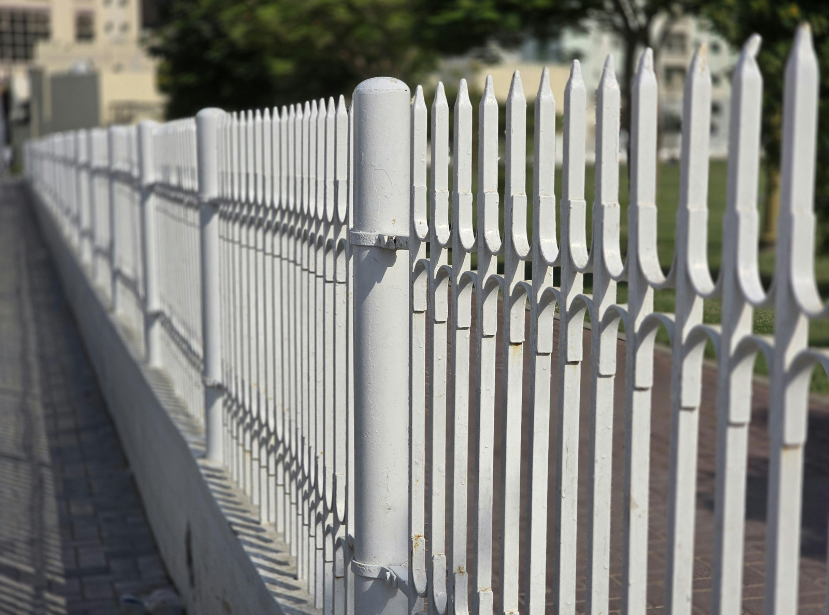
Living in Chicago, you know that your fence faces a relentless battle against the elements and natural forces. With unpredictable weather patterns, including heavy rain, snow, and fluctuating temperatures, combined with soil shifting due to seasonal changes, keeping your fence in top shape can be challenging. In this text, you'll learn the essential strategies for protecting your fence from the harsh realities of Chicago's climate and soil conditions, ensuring it remains sturdy, functional, and aesthetically pleasing for years to come.
Understanding the Chicago Weather Impact on FencesTypes of Weather Challenges for Fences
Chicago's weather can be quite severe. You've likely experienced the biting cold of winter, the intense heat of summer, and everything in between. These climatic swings expose your fence to diverse challenges, such as:
Heavy Rainfall: Excess moisture can lead to rot, rust, or decay if your fence is made of unprotected wood or metal.
Snow and Ice: Accumulated snow puts extra weight on your fence, potentially causing sagging or breakage.
Heat and UV Radiation: Extended exposure to sunlight can cause materials to fade, crack, or warp, particularly among plastics and wooden structures.
The Role of Humidity and Temperature Fluctuations
The unique humidity levels in Chicago amplify these challenges. During the summer months, high humidity can accelerate decay in wood, while winter's dry air can lead to cracking and splitting. You must consider these factors when choosing materials and maintaining your fence.
Preparing Your Fence for Harsh WintersChoosing the Right Materials for Longevity
When living in Chicago, selecting durable materials is crucial. Consider these options:
Vinyl Fencing: Resilient to weather extremes, vinyl doesn't warp or rot and requires minimal upkeep.
Metal Fencing: Aluminum or steel fences offer strength against snow loads and won't bow under pressure.
Treated Wood: If you prefer wood, use pressure-treated materials to ward off rot and pest infestations.
Maintenance Practices for Seasonal Changes
To safeguard your fence through the seasons, adopt these essential practices:
Regular Cleaning: Remove dirt and debris to prevent mold growth and discoloration.
Apply Sealant or Stain: If your fence is wooden, apply a high-quality sealant before winter to protect against moisture.
Addressing Soil Shifting and Its EffectsUnderstanding Soil Movement in Chicago
Soil shifting is a significant concern during Chicago's seasonal swings between wet and dry conditions. As soil expands when wet and contracts when dry, fences can become unstable. Poor drainage around your fence contributes to this movement, leading to leaning or even toppling.
Techniques to Secure Fencing Against Soil Shifting
Carry out robust installation techniques to stabilize your posts:
Deep Footings: Ensure your fence posts are installed deep enough (at least 1/3 of their length) to resist soil movement.
Concrete Footings: Pour concrete around your posts to anchor them firmly. This prevents lateral movement during soil shifts.
Long-Term Solutions for Fence StabilityUsing Stabilizing Agents and Reinforcement Techniques
To maintain your fence's longevity and stability, consider:
Adding Gravel Backfill: Use gravel around posts to improve drainage, reducing water retention that leads to soil shifting.
Planting Ground Cover: Healthy ground cover plants can help stabilize the surrounding soil, preventing shifts and erosion that could undermine your fence.
Regular Assessments and Maintenance Plans
Regular inspections and maintenance are key to minimizing damage and longevity:
Inspect Annually: Check for signs of wear, rot, or leaning. Look for areas where soil has eroded or accumulated.
Create a Maintenance Schedule: Integrate seasonal checks into your home maintenance calendar. This includes cleaning, sealing, and reinforcing as necessary.
Conclusion
Protecting your fence in Chicago requires foresight and proactive care. By choosing the right materials, performing regular maintenance, and understanding local environmental challenges, you can significantly extend the life of your fence. Carry out these strategies to keep your fence standing tall through Chicago's ever-changing climate.
Chicago’s freeze-thaw cycles and shifting soil can destroy a fence that isn't properly anchored and treated. Don't leave your home's security and beauty to chance. Contact Americana Iron Works & Fence today to discuss your project and ensure your fence is built with the deep footings and weather-resistant materials needed to stand tall for years.
Frequently Asked Questions about Protecting Fences in Chicago
What are the main weather challenges that affect fences in Chicago?
Fences in Chicago face challenges from heavy rainfall, snow and ice weight, extreme heat, and fluctuating humidity, all of which can cause decay, sagging, and structural damage over time.
How can I prepare my fence for harsh winters in Chicago?
To prepare your fence for harsh winters, consider using durable materials like vinyl or treated wood, and apply a high-quality sealant to protect against moisture and freezing temperatures.
What installation techniques can help stabilize my fence against soil shifting?
For stabilization against soil shifting, ensure your fence posts have deep footings and use concrete footings to anchor them. This helps prevent lateral movement caused by soil expansion and contraction.
Should I perform regular maintenance on my fence?
Yes, regular maintenance is essential. Inspect your fence annually for signs of wear and plan seasonal tasks, such as cleaning and sealing, to prolong its life and prevent damage.
What materials are best for fencing in Chicago's climate?
Vinyl fencing is highly resilient to weather extremes, while metal options like aluminum or steel offer strength. If using wood, opt for pressure-treated lumber to resist rot and pests.
How does soil shifting affect fence stability in Chicago?
Soil shifting in Chicago can lead to unstable fences, as wet and dry conditions cause soil to expand and contract. Poor drainage can exacerbate this issue, leading to leaning or toppled fences.