
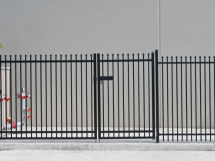
In Chicago’s Near North Side, where commercial buildings are densely packed, and foot traffic remains high year-round, maintaining strict access control is not just a priority-it’s a necessity. Whether you manage a retail storefront, office complex, or mixed-use property, integrating the right security solutions is key to ensuring safety, deterring theft, and complying with local regulations. One of the most effective tools for commercial access control is the installation of commercial-grade security gates.
In this guide, we’ll walk you through how security gates work, the types available for businesses, and why they’re especially critical for properties in and around Chicago’s Near North Side.
Understanding How Security Gates Work in Commercial Settings
Security gates operate as both a deterrent and a barrier. Their primary role is to restrict unauthorized access while allowing controlled movement of people and goods during operating hours. Check out our Integration with building access systems for more details.
Mechanical vs. motorized gate operation
Security gates come in manual (mechanical) and automated (motorized) models.
Mechanical gates require human effort to open or close and are often used for smaller storefronts or low-traffic areas.
Motorized gates offer push-button or remote operation, ideal for larger entry points or facilities needing frequent access. These models can integrate with electrical locking systems and timers, increasing efficiency and helping enforce access schedules.
Integration with building access systems
Modern security gates often tie into broader access control systems. They may work in tandem with:
Keycard entry systems
Intercom and video communication platforms
Alarm systems tied to unauthorized gate breaches
Integration ensures the gate functions as part of a cohesive security plan, especially when managing multiple tenants or regulating public access.
Role of physical barriers in access control
Physical barriers like security gates provide a visible and functional control point. Even the presence of a sturdy gate signals limited access, reducing opportunistic theft and vandalism. When correctly installed, gates funnel movement within designated areas-ensuring only authorized personnel or visitors enter sensitive zones.
Types of Folding Security Gates Used by Chicago Businesses
Not all folding gates are the same, and property managers should understand the specific designs available to make the right investment.
Common designs for interior and exterior use
Interior gates are often lighter and used to secure stairwells, hallways, or behind retail windows after hours.
Exterior gates are built to withstand weather conditions and may be anchored into masonry or steel to block service alleys, parking areas, or entry portals.
Each location has different security needs, and selecting the correct gate type supports both function and code compliance.
Differences between accordion, scissor, and roll-fold gates
Accordion gates: Made from interlocking panels that slide along a track. Best for storefronts or wideload openings requiring strength and flexibility.
Scissor gates: Feature expanding diamond shapes; these are popular for doors and dock entrances because they collapse compactly.
Roll-fold gates: Stack vertically or fold into side coils-valuable in tight corridors or where floor space is at a premium.
Choosing the right folding security gate types for businesses hinges on daily usage, visibility needs, and available space.
Space requirements and installation considerations
Gates must be properly mounted, allowing smooth operation without blocking emergency exits. It’s critical for Chicago-area properties to assess:
Wall or jamb support
Overhead clearance
Locking and retraction mechanisms
Having a thorough installation plan helps avoid conflicts with fire egress regulations or tenant access needs later.
Benefits of Heavy-Duty Security Gates for Long-Term Building Protection
Security gates aren’t just about preventing unauthorized entry-they’re part of a bigger strategy to protect investments, reduce liability, and comply with safety standards.
Impact resistance and theft deterrence
Heavy-duty gates are constructed from steel or reinforced aluminum, offering high resistance to force or cutting tools. Their mere presence can dissuade break-ins, especially in high-theft corridors.
Durability through Chicago weather conditions
In Cook County’s climate, gate materials must withstand temperature swings, wind, rain, and snow. Quality finishes such as powder coating or galvanized steel help prevent rust and corrosion, ensuring decades of worry-free protection.
Support for insurance and liability compliance
Many insurance companies look favorably on the installation of reinforced access barriers. Having heavy-duty security gates in place may:
Lower premiums
Limit claims from vandalism or theft
Show due diligence in risk reduction, especially for retail and residential buildings
Fire Code Considerations for Storefront Security Gates
Security should never compromise safety. Business owners must be aware of fire code requirements when installing gates, especially on occupied or public-facing buildings. Learn more about Compliance tips for mixed-use and retail buildings.
NFPA requirements for egress and emergency access
According to the National Fire Protection Association (NFPA), emergency exits cannot be hindered by any barrier-including security gates. All commercial properties are expected to maintain:
Clear and unobstructed egress paths
Gates that open without special knowledge or keys (if across egress routes)
Fail-safe locks or quick-release mechanisms when tied to alarm systems
Compliance tips for mixed-use and retail buildings
Retail properties in Chicago often combine public and service-oriented spaces. Tips include:
Avoid chaining or manually locking gates across emergency exits
Use fold-away or retractable designs during business hours
Stay informed about fire marshal inspections and codes
Mentioning fire code considerations for storefront gates in the design phase helps prevent rework or legal issues down the road.
When to consult local occupancy and safety inspectors
Consult inspectors when:
Installing gates across shared areas (e.g., lobbies, vestibules)
Adding motorized or integrated locking gates
Seeking approval in landmark or historically zoned buildings in Chicago
Working with professionals ensures local and national code compliance from day one.
Choosing the Right Gate Design for Commercial Properties
Each property has unique needs, and the right security gate is one that enhances control without impeding operations or safety.
Assessing foot traffic and usage frequency
Start by reviewing how often the gate will open and close:
Low-traffic areas can manage with manual gates.
High-traffic storefronts or facilities may require smooth, silent motorized models that withstand repetitive use.
Balancing visibility, airflow, and security needs
Gates provide different levels of visibility. For instance:
Open-mesh designs allow air circulation and merchandise exposure
Solid panel gates offer complete coverage and privacy
Different businesses will find different benefits here depending on crime risk, aesthetics, and ventilation requirements.
Custom vs. prefabricated options
Custom Gates: Tailored to building architecture, space constraints, or historic requirements. While more involved upfront, they offer longer-term satisfaction and integration.
Prefabricated Gates: Lower initial cost and faster installation, but often less flexible in tight spaces or irregular layouts.
Choosing the right gate for commercial properties involves discussing your needs with licensed experts who can provide design, engineering, and installation guidance.
Security Gate Maintenance Best Practices for Business Owners
Like any building system, security gates require regular care to keep functioning safely and effectively-especially in the harsh Chicago climate.
Routine inspections and lubrication
Conduct monthly or quarterly checks for:
Alignment issues
Loose hardware
Smooth track operation
Sufficient lubrication of rollers and hinge points
Proper maintenance prevents premature wear and costly emergency repairs.
Identifying early signs of wear or structural issues
Be proactive in spotting:
Sagging or misaligned gates
Rust around anchor points
Signs of motor strain (slow movement or stalling)
These hint at deeper issues and should trigger servicing before larger failures occur.
When to schedule professional servicing in Chicago
Business owners should request professional service when gates:
No longer lock consistently
Make grinding sounds during operation
Have never been inspected post-installation (especially older gates)
Working with firms like Americana Iron Works & Fence ensures proper evaluations under Chicago-area conditions and codes.
Common Questions About Security Gate Function and Purpose
Understanding how security gates work in tandem with building goals is a priority for building owners and managers.
The difference between security and safety gates
Security gates are designed to prevent access or theft.
Safety gates typically protect against falls or machinery exposure.
While some designs serve both functions, their purposes and code requirements differ.
How storefront gates function during business hours
Most storefront gates retract or roll out of sight during operating hours. Many are concealed behind signage or ceiling fascias, allowing for clean aesthetics without interrupting customer flow.
Why layered physical security is effective
Using gates in combination with:
Cameras
Alarm systems
Access control panels
creates redundancy. If one layer fails or is bypassed, the next still offers protection-essential in high-density areas like Chicago's Near North Side.
Local Factors Influencing Gate Selection in Chicago’s Near North Side
In a historic and commercial zone like the Near North Side, several local considerations play into proper gate selection. See our guide on Building codes and zoning regulations.
Building codes and zoning regulations
Consult local permitting offices, as some commercial areas have strict codes regarding façade appearance, emergency features, and installation techniques.
Proximity to pedestrian-heavy corridors
Buildings near areas like Michigan Avenue or North Clark Street must consider foot traffic:
Retractable gates help avoid creating sidewalk obstructions
Aesthetic choices impact community perception and business appeal
Considerations for historical and architectural contexts
In landmark zones, traditional gate styles or materials may conflict with preservation guidelines. Here’s where custom ironwork becomes essential-blending performance with architectural respect.
Secure, compliant, and durable access control is essential to successful property management in urban areas like Chicago’s Near North Side. At Americana Iron Works & Fence, our 30 years of experience ensure every security gate we install meets local standards, withstands harsh Midwestern conditions, and serves your property long-term.
Looking for the right security gate for your Chicago business? Contact us today to schedule a consultation with our expert team.
Frequently Asked Questions
What are the main fire code requirements for security gates on Chicago storefronts?
According to the National Fire Protection Association (NFPA) and the Chicago Building Code, security gates must not obstruct emergency egress. Any gate installed across a required exit path must be easily operable from the inside without the use of a key or special knowledge. For storefronts, this often means utilizing retractable or folding designs that are secured in an open position during business hours to ensure customers and employees can evacuate safely in an emergency.
How do motorized security gates integrate with existing building access control?
Motorized security gates can be linked directly to your building’s centralized management system, allowing for seamless operation via keycards, biometrics, or remote desktop dashboards. This integration allows property managers on the Near North Side to set automated schedules for locking and unlocking, maintain digital audit trails of everyone who enters, and receive real-time alerts if a gate is tampered with or forced open.
Which type of folding gate is best for limited space in urban commercial buildings?
For properties with restricted floor space or narrow entryways, scissor gates (also known as accordion gates) are typically the best option. These gates feature a diamond shaped lattice that collapses into a very small footprint when not in use. Another space-saving solution is the roll-fold gate, which can be designed to coil vertically or into recessed side cabinets, keeping the architectural aesthetic of high-end Near North Side storefronts clean and unobstructed.
Can installing heavy-duty security gates lower my commercial insurance premiums?
Yes, many insurance providers offer discounts on premiums for commercial buildings that implement physical security measures like heavy-duty steel gates. Because these gates act as a high-performance deterrent against break-ins and vandalism, they reduce the statistical risk of a claim. Property managers should check with their specific provider to see if installing UL 325 or ASTM F2200 compliant gate systems qualifies for a rate reduction.