
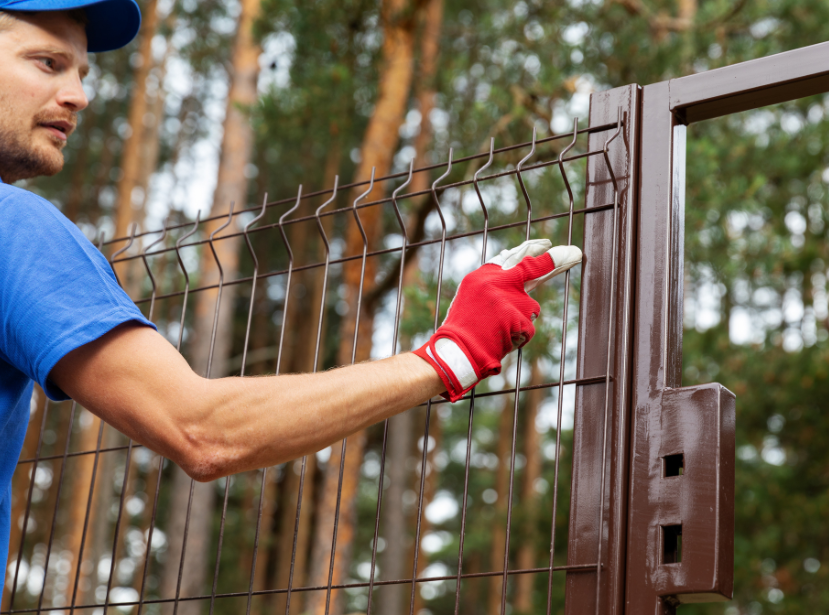
Installing a fence can be a significant investment in your property, providing both utility and aesthetic appeal. Whether you're looking to enhance security, increase privacy, or simply boost curb appeal, understanding the timeline of your fence project can help you manage expectations and ensure a smooth process. In this guide, we'll walk you through each phase of your fence project, from selecting the right options to installation and maintenance, providing clarity along the way.
Understanding Your Fence Options
Before diving into a fence project, it's crucial to understand your options. From materials to styles, your choices will influence both the look and function of your fence. Here are some common types:
Wood Fences
Wood fences is a classic choice known for its natural beauty and versatility. Options include cedar, pine, and redwood, each offering different aesthetics and durability. Also, you can choose from various styles, such as picket, privacy, or ranch.
Vinyl Fences
Vinyl fences provide a low-maintenance option that resists warping, fading, and pests. Available in many styles and colors, vinyl can mimic the look of wood without the upkeep, making it an appealing choice.
Chain Link Fences
If security is your priority, chain link fences offer a practical and cost-effective solution. While not as visually appealing as wood or vinyl, they are durable and can be enhanced with privacy slats.
Metal Fences
Wrought iron or aluminum fences provide a stylish touch while ensuring strength. These are typically used for decorative purposes or to define boundaries without obstructing views.
Composite Fences
Made from a mixture of wood fibers and plastic, composite fences are engineered for durability and low maintenance. They offer a wood-like appearance but with greater resistance to the elements.
Choosing the Right Option
Consider factors like purpose, budget, and local regulations when selecting. Researching local ordinances is essential to ensure compliance with height restrictions and other requirements.
Initial Consultation and Quote Process
Once you've narrowed down your options, it's time to engage with fence professionals. The initial consultation is a crucial step where you can share your vision and specific requirements.
Scheduling Your Consultation
Contact local fencing contractors to schedule a visit. During this consultation, they will assess your property, understand your needs, and offer recommendations based on the type of fence you desire.
Getting Your Quote
After the consultation, contractors will provide a detailed quote that includes:
Materials: The type and quality of materials you choose will greatly impact your cost.
Labor Costs: This varies based on the complexity of the installation and local labor rates.
Additional Features: Gates, decorative elements, and post caps may come at an extra cost.
Reviewing the Quote
Take the time to review the quote carefully. Ensure that it aligns with your budget and ask questions if anything is unclear. It's standard to get quotes from multiple contractors to compare prices and services offered.
Preparing for Installation
After selecting a contractor and signing the contract, you'll move into the preparation phase. This step ensures everything is ready for a smooth installation.
Planning for Site Preparation
You may need to clear your yard of obstacles, such as:
Trees or shrubs
Old fencing materials
Yard decorations or furniture
Ensure good access for the construction team, which will help prevent delays on installation day.
Obtaining Necessary Permits
Depending on your location, you might need to secure permits before installation begins. Your contractor can assist with this process, but it's a good idea to check local zoning requirements to avoid any compliance issues.
Communicating with Neighbors
Consider informing your neighbors about the upcoming installation. Not only is it courteous, but it can also help prevent misunderstandings, especially if the work will disrupt their usual routines.
Installation Phase
The installation phase is where your plans materialize into reality. This process generally takes a few days to a week, depending on several factors.
Day of Installation
On the scheduled installation day, the contractors will arrive prepared to work. Here's what to expect:
Site Assessment: They will re-evaluate the site, confirming measurements and layout.
Post Installation: The first task typically involves digging holes for the fence posts. This foundational work is critical for a sturdy fence.
Fencing Material Installation: After the posts are set in place, the fencing panels are attached. This phase may vary depending on the material selected.
Final Touches: Once the fence is erected, contractors will finish off any necessary details, ensuring everything looks polished.
Post-Installation Considerations
Now that your fence is installed, it's essential to consider the next steps to ensure longevity and functionality.
Inspecting Your New Fence
Take the time to walk around and inspect the fence. Check for any uneven panels or loose posts and address these issues promptly with your contractor to avoid further complications later.
Clean-Up
A professional installation team will typically handle clean-up, but it's wise to ensure that your yard and surrounding areas are left clear of debris.
Maintenance Tips for Longevity
To get the most out of your investment, regular maintenance is key. Here are some tips tailored to different fence types:
Wood Fences
Sealing and Staining: Apply a sealant or stain every few years to protect against moisture and sun damage.
Regular Inspections: Look for signs of rot or insect damage and address them immediately.
Vinyl Fences
Cleaning: Use a mild detergent and water to wash your fence at least once a year to maintain its look.
Inspect for Cracks: Periodically check for any signs of damage and address them right away.
Chain Link Fences
Rust Prevention: Inspect for rust and treat any affected areas with rust-inhibiting paint.
Tensioning: Ensure your wires remain taut to avoid sagging.
Metal Fences
Regular Cleaning: Wipe down the surface and apply protective paint or sealant when needed to prevent corrosion.
Composite Fences
Routine Cleaning: Clean the surface with soap and water to remove dirt and prevent stains.
Inspections: Check for signs of wear or damage annually.
By maintaining your fence, you ensure it stands strong and beautiful for years to come.
Conclusion
From understanding your options to maintaining your new fence, knowing the timeline of your fence project can make a significant difference in your experience. By following this comprehensive guide, you can navigate your fence installation smoothly and confidently, ensuring a stylish and functional addition to your property.
Navigating a fencing project from the initial sketch to the final post shouldn't be a stressful experience. Don't leave your home's security and beauty to chance. Contact Americana Iron Works & Fence today to discuss your project and ensure your new fence is built to last with a professional, transparent, and efficient installation timeline.
Frequently Asked Questions
What is the typical timeline for a fence project from quote to installation?
The typical timeline for a fence project can range from a few days to several weeks, depending on factors like consultation, permits, and weather conditions. Installation usually occurs within a few days once preparations are complete.
How do I prepare my yard for fence installation?
To prepare your yard for fence installation, clear obstacles such as trees, shrubs, old fencing, and furniture. Ensuring good access for contractors will help prevent delays during the installation phase.
What types of fencing materials are available?
Common fencing materials include wood, vinyl, chain link, metal, and composite. Each type offers different aesthetics and functionality, catering to various needs such as privacy, security, and maintenance.
Why is it important to obtain permits for fence installation?
Obtaining permits is crucial to comply with local zoning regulations and avoid fines. Your contractor can assist in securing the necessary permits to ensure your project adheres to legal requirements.
How often should I maintain my fence?
Fence maintenance frequency varies by material. For instance, wood fences may need sealing every few years, while vinyl fences should be cleaned annually. Regular inspections help ensure longevity and functionality.
Can I install a fence without consulting a professional?
While DIY installation is possible, consulting a professional is advised to ensure compliance with local regulations, accurate measurements, and overall quality of the fence installation.