
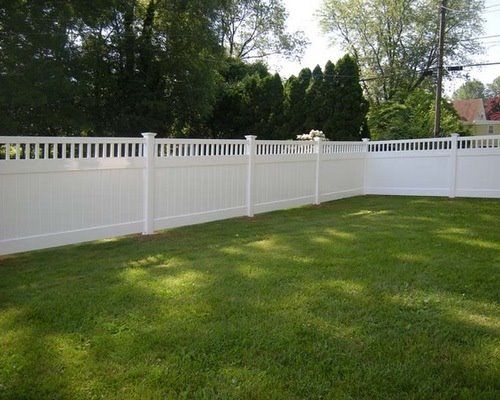
When it comes to choosing the right fencing for your Chicago property, two popular options often come to the forefront: vinyl and wood. Each material has its own unique advantages and disadvantages, making it crucial for you to weigh these carefully based on your needs, budget, and aesthetic preferences. In this text, we'll dive deep into the various aspects of vinyl and wood fencing, helping you make an well-informed choice that suits your lifestyle and enhances your home's value.
Overview Of Fencing Options
Fencing serves as both a protective barrier and a way to enhance your property's appeal. In Chicago, where weather conditions can be unpredictable, the materials you choose play a critical role in how well your fence withstands the elements. The two primary options, vinyl and wood, differ significantly in composition, durability, and appearance.
Vinyl Fencing: Made from polyvinyl chloride (PVC), vinyl fencing is hailed for its durability and resistance to decay, pests, and fading. It requires very little upkeep, making it an attractive choice for busy homeowners.
Wood Fencing: A traditional favorite, wood fencing offers a natural look and can be tailored in various styles, from picket fences to privacy barriers. While it provides a classic aesthetic, it requires more maintenance due to potential issues like rot and insect damage.
Understanding these basic differences will help you better evaluate which option best meets your needs.
Benefits Of Vinyl Fencing
Vinyl fencing has a number of characteristics that can make it the ideal choice for your Chicago home:
1. Durability and Longevity
Vinyl fencing is incredibly durable. Unlike wood, it won't crack, splinter, or warp under Chicago's fluctuating weather, meaning it lasts longer and often comes with warranties of 20 years or more.
2. Low Maintenance
One of the most significant advantages of vinyl fencing is its low maintenance requirements. You won't need to sand, paint, or stain it regularly. A simple rinse with a hose is usually sufficient to keep it looking fresh.
3. Variety of Styles and Colors
Vinyl comes in various colors and styles, offering you the flexibility to match your home's exterior without the need for painting. Whether you prefer classic white or a unique shade, vinyl can accommodate your vision.
4. Safety and Security
Vinyl fences can be designed to be taller and more solid than wooden fences, providing enhanced security for your yard, pets, and children.
Benefits Of Wood Fencing
Wood fencing also offers compelling benefits that make it a strong contender:
1. Natural Aesthetics
There is something timeless about wood that many homeowners adore. The warmth and organic feel of wood can complement any landscaping, providing a classic, homey appearance.
2. Customizability
Wood can be easily customized. You can paint or stain it any color you desire, allowing for a high degree of personalization based on your tastes.
3. Eco-Friendly Option
If you're environmentally conscious, wood is a renewable resource, especially if sourced sustainably. Opting for local lumber reduces the carbon footprint associated with transportation.
4. Good Value
While upfront costs may vary, wood fencing can be a good long-term value. With proper care and treatment, a well-built wooden fence can last for many years.
Cost Comparison
When choosing between vinyl and wood, the cost can significantly influence your decision:
1. Initial Investment
Vinyl fences generally have a higher initial cost than wood fences. The material cost for vinyl is more expensive, and installation can also add to the total. But, in the long run, its lifespan and low maintenance could offset these higher upfront costs.
2. Long-Term Costs
Wood fencing, while cheaper initially, requires ongoing upkeep, including staining, painting, and potential repairs which can add up over the years. If you choose wood, factor in these hidden costs when assessing your budget.
3. Return on Investment
Depending on your neighborhood, both types of fencing can increase your property's value. But, homes with well-maintained vinyl often attract buyers looking for low-maintenance options, potentially offering a greater return on investment.
Maintenance Requirements
Understanding the maintenance needs of both types of fencing can save you time and money:
1. Vinyl Maintenance
Vinyl fences are practically maintenance-free. You may need to clean it occasionally, especially after storms, but beyond that, it requires no further care, which is perfect for those who prefer a hassle-free lifestyle.
2. Wood Maintenance
Wood fences necessitate more attention. You will need to inspect for rot, insects, and other potential damages regularly. Annually staining or painting will also be necessary to maintain its longevity and appearance.
Aesthetic Considerations
Aesthetics play a crucial role in your choice of fencing:
1. Vinyl Aesthetics
Vinyl fences provide a clean, uniform look with various designs and colors. They're particularly popular in modern homes, where a sleek appearance is often desired. But, some may feel that vinyl lacks the authentic charm of natural materials.
2. Wood Aesthetics
Wood offers warmth and character that many find appealing. Whether you prefer a rustic or traditional style, wood can fulfill your vision with virtually endless customization options. The natural grains and textures add an authentic touch that many homeowners love.
Environmental Impact
If sustainability matters to you, consider the environmental impact of each material:
1. Vinyl Environmental Concerns
Vinyl is made from petroleum products, making it less eco-friendly than wood. It's not biodegradable, and the production process can be resource-intensive. But, many manufacturers are now looking into recycling options for old vinyl.
2. Wood Sustainability
When sourced responsibly, wood is a renewable resource. Opting for sustainably-harvested timber can significantly lessen your environmental impact, making wood a greener choice, especially if you choose locally sourced varieties.
Key Takeaways
Vinyl fencing offers superior durability and low maintenance, making it a great choice for Chicago's unpredictable weather.
Wood fencing provides a timeless aesthetic and customization options, appealing to homeowners who value natural looks.
While vinyl has a higher upfront cost, its longevity and minimal upkeep often balance the investment over time.
Regular maintenance of wood fences is crucial to prevent rot and insect damage, which adds to long-term costs.
Consider the environmental impact: sustainably sourced wood is renewable, unlike vinyl, which is less eco-friendly and non-biodegradable.
If you are comparing vinyl vs wood fencing in Chicago and want help choosing the best fit for your home, Americana Iron Works & Fence is a strong place to start. Our team installs and replaces fences with clean workmanship, solid materials, and guidance on what holds up best for Chicago weather and your budget.
Conclusion
Eventually, the decision between vinyl and wood fencing in Chicago comes down to your specific priorities, preferences, and lifestyle. Vinyl offers durability, low maintenance, and modern aesthetics, while wood brings natural beauty and customization possibilities. Consider your budget, how much effort you're willing to put into maintenance, and the overall look you wish to achieve. By weighing these factors, you can choose a fencing solution that not only enhances your property but also suits your lifestyle.
Ready to choose the right fence for your home? Contact us for top quality vinyl or wood fence installation.
Frequently Asked Questions about Vinyl vs Wood Fencing in Chicago
What are the main benefits of vinyl fencing in Chicago?
Vinyl fencing offers exceptional durability, low maintenance, and a wide range of styles and colors, making it an ideal choice for homeowners in Chicago looking for long-lasting and attractive fencing solutions.
How does wood fencing compare to vinyl in terms of maintenance?
Wood fencing requires regular upkeep, including staining and inspections for rot, while vinyl fencing is virtually maintenance-free, needing only occasional cleaning to retain its appearance.
Is vinyl fencing a good investment for my Chicago home?
Yes, vinyl fencing tends to increase property value due to its low-maintenance nature and longevity, making it a worthwhile investment for homeowners seeking to attract buyers.
What should I consider when choosing between vinyl and wood fencing?
Consider factors like budget, maintenance commitment, aesthetic preferences, and the desired lifespan of the fence to determine which option aligns best with your needs.
Are there environmental concerns with vinyl fencing?
Yes, vinyl is made from non-biodegradable materials, making it less eco-friendly compared to sustainably sourced wood. However, some manufacturers are exploring recycling options for used vinyl.
Can I customize wood fencing, and how does that compare to vinyl?
Absolutely! Wood fencing offers a high degree of customization and can be painted or stained in various colors, unlike vinyl, which comes in predefined styles and colors without the need for regular painting.