
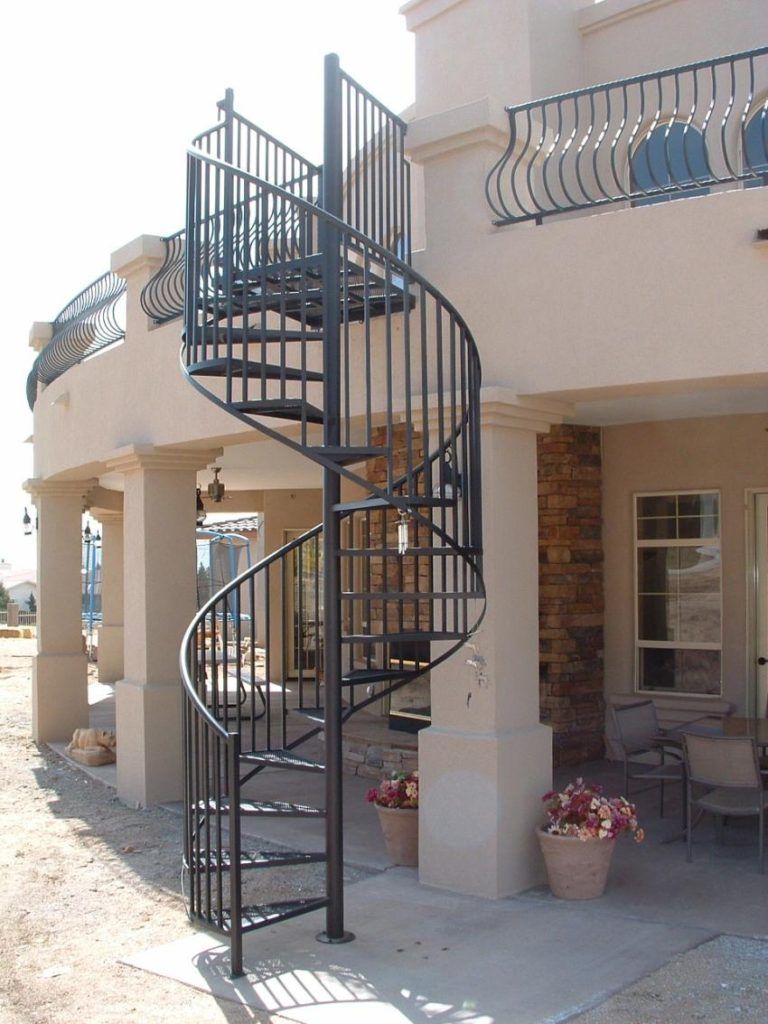
What Chicago Property Owners Should Know About Metal Railings for Stairs, Balconies, and Walkways
Metal railings play a critical role in ensuring the safety and accessibility of both residential and commercial properties in the Chicago area. From multi-story apartment buildings to historic walkups and newer developments, the right railing system isn't just about aesthetics-it's about meeting safety codes, surviving Midwest weather, and offering dependable protection for everyone using the property.
Whether you're maintaining existing ironwork or planning to install new safety features, this guide explains everything Chicago property owners need to know about metal railing safety standards, installation, maintenance, and choosing the right materials for our local environment.
Understanding the Role of Metal Railings in Multi-Level Properties
Common use cases for stair, balcony, and walkway railings
Metal railings are essential wherever there’s a change in elevation or a potential fall hazard. Common locations where Chicago property owners use iron or steel railing systems include:. Check out our stair, balcony, and walkway railings for more details.
Indoor and outdoor staircases
Third-floor walkways and landings
Apartment balconies and rooftop decks
Multi-level porches and entry points
Commercial building emergency exits and fire escape stairwells
Each of these areas presents unique risks. Proper railing systems help mitigate those risks by offering clear physical boundaries and support.
How metal railings improve safety and accessibility
Durable and code-compliant railings provide critical support for individuals with mobility challenges and create safer traffic flow in high-use environments. They also help:
Prevent accidental falls in elevated areas
Offer reliable handholds during icy Chicago winters
Protect children, pets, and elderly occupants on balconies
Ensure fire escapes and emergency routes are navigable and secure
Professionally installed railings improve liability protection and foster a safer living or working environment. For Chicago property owners, staying compliant with trusted metal railing safety standards is an investment in peace of mind.
Key Metal Railing Safety Standards That Apply in Chicago
Overview of local and national safety codes
Chicago property owners must be aware of both the International Building Code (IBC) and the Chicago Building Code for railings. These codes define how high railings must be, how much load they should withstand, and how much space should exist between balusters or pickets.
Key standards include:
Minimum height of 42 inches for railings on balconies and walkways
34 to 38 inches for residential stair railings
Picket spacing small enough to prevent a 4-inch sphere from passing through
Handrails on stairs that can withstand at least 200 pounds of force
Following these metal railing safety standards ensures your property passes inspections and upholds legal safety requirements.
Inspection and enforcement considerations property owners should know
In Chicago, inspections often occur during changes in occupancy, permit acquisitions, or safety complaints. Property managers and owners should ensure railing systems are:
Installed by licensed professionals
Routinely checked for rust, loosening, or damage
Upgraded if they no longer meet updated code standards
Violations can lead to costly repairs, fines, or legal exposure. Working with an experienced local contractor like Americana Iron Works & Fence reduces those risks.
Chicago Building Code Requirements for Railing Installation
Minimum railing height for stairs, balconies, and walkways
Balcony and stair railing height requirements vary slightly depending on their use. Here's what Chicago code generally mandates:
Balconies and walkways: Railings must be at least 42 inches high to meet fall protection standards.
Staircases (residential): The minimum handrail height sits between 34 and 38 inches measured from the stair nosing.
These dimensions are designed to offer optimal balance between user comfort and fall prevention. Learn more about code requirements for railing installation.
Load-bearing requirements and spacing rules
Aside from height, your railing must be strong and structurally sound. According to the Chicago building code for railings and IBC:
Railing assemblies must withstand at least 200 pounds of concentrated force in any direction.
Baluster pickle spacing can be no more than 4 inches apart to prevent children from slipping through.
Rails must be anchored securely into structurally sound materials-usually brick, stone, or concrete.
Failing to meet these specs can result in failed inspections or safety hazards.
Choosing the Right Materials for Chicago’s Weather Conditions
Durable and weather-resistant railing materials
Chicago winters are notoriously harsh, and summers bring their own challenges with humidity and rain. To build for the long haul, choose weather-resistant railing materials like:
Galvanized steel: Extremely durable with protective zinc coatings to prevent rust.
Powder-coated wrought iron: Combines strength with decorative styles and corrosion resistance.
Aluminum (for lighter loads): Naturally rust-resistant and good for limited residential use.
Custom fabrication and coating options from Americana Iron Works & Fence ensure your railing looks great and holds up across decades of seasonal punishment.
How Chicago's climate affects long-term performance
Moisture, salt exposure from street de-icing, and freeze-thaw cycles can rapidly degrade unprotected or poorly installed railings. That’s why finishing methods-like powder coating or galvanization-are not optional in Chicagoland. Investing in proper materials helps avoid:
Early rust and corrosion
Finish fading or peeling
Structural weakening over time
By choosing resilient materials up front, you follow metal railing safety standards and avoid frequent, costly repairs.
Comparing Indoor vs. Outdoor Metal Railing Needs
Environmental stress factors to account for
Indoor vs outdoor metal railings are exposed to very different conditions:
Outdoor railings must withstand temperature swings, moisture, UV rays, and debris.
Indoor railings still need strength and code compliance, but aren’t as exposed to rust risk.
Outdoor systems demand heavier finishes and drainage-smart design to mitigate water retention and rust formation.
Design and maintenance considerations for each setting
Indoor railings often prioritize visual integration with flooring and interior finishes, while outdoor railings lean more functional. Key considerations include:
Surface finishes: Smoother powder coats indoors, textured anti-slip options outside.
Maintenance frequency: Outdoor railings require more routine inspections.
Anchoring methods: Exterior installations require deeper, sealed anchoring.
Tailoring design to location extends the life and safety of the railing.
Preventative Maintenance Tips for Long-Lasting Metal Railings
Signs of wear and common causes of damage
Many fatalities and injuries are caused by railings that go unnoticed until failure. Watch for:
Rust spreading from weld joints or joints to masonry
Loose or shifting base plates
Peeling paint or powder coating
Wobbling or flexing under light pressure
Chicago’s moisture-rich winters and freeze-thaw cycles accelerate these issues if ignored.
Routine upkeep that extends service life and preserves safety
Preventative care can extend your railing’s lifespan by a decade or more. Here's what to do:
Check anchoring points every six months
Repaint or recoat every 5-7 years, depending on exposure
Clear debris, ice, or plant growth that traps water
Hire professionals to re-weld or reinforce as needed
Timely upkeep not only preserves aesthetics-it ensures ongoing compliance with metal railing safety standards.
Cost Considerations for Installation and Repair in the Chicago Area
Average cost of installing new metal railings
For Chicago-area properties, costs vary widely depending on complexity and materials. On average:
Simple galvanized railing installations start around $75-$125 per linear foot
Custom ornamental wrought iron ranges $150-$300+ per linear foot, depending on design
Add labor, removal of old structures, and permits when budgeting.
Factors that influence repair pricing and complexity
Metal railing repairs may sound minor but can escalate involved. Cost factors include:
Height and accessibility of the damaged area
Extent of structural rust or degradation
Whether repairs require welding on-site
City permit and inspection fees
Working with a qualified contractor ensures accurate cost estimates and adherence to the Chicago building code for railings.
When to Assess or Upgrade Existing Metal Railings
Indicators of code non-compliance or safety concerns
If you haven’t upgraded in the last decade, it’s time to assess. Look for:
Heights below current minimums (especially in decades-old buildings)
Balusters spaced more than 4 inches apart
Loose posts or railing movement
Surface rust near welds or mounting anchors
These can signal violations of metal railing safety standards, exposing you to liability. See our guide on repair and replacement.
Practical guidance for deciding between repair and replacement
Repairs are often faster but may not restore full functionality. Consider replacement if:
The railing has extensive corrosion or metal fatigue
The design inherently doesn't comply with current codes
Repairs outweigh 50% of the estimated cost of a new install
Trust an experienced contractor like Americana Iron Works & Fence to help assess safely and honestly.
Conclusion and Next Steps
For property owners across Chicago, ensuring your staircase, balcony, and walkway railings are safe, compliant, and built to last starts with understanding the metal railing safety standards in place. Every railing decision-material, maintenance, or upgrade-should be made with long-term performance, local climate, and code compliance in mind.
With over 30 years of experience, Americana Iron Works & Fence is proud to support homeowners, landlords, and developers across Illinois with expert craftsmanship, code knowledge, and trusted service.
Contact us today to schedule an inspection, get a quote, or begin your next ironwork project.
Frequently Asked Questions
What are the standard railing height requirements in Chicago?
The Chicago Building Code typically requires guardrails on balconies, decks, and walkways to be at least 42 inches high to provide adequate fall protection. For residential staircases, the handrail height must be between 34 and 38 inches when measured vertically from the stair nosing. These specific heights ensure that the railings provide both a secure grip for climbing and a high enough barrier to prevent accidental falls from elevated surfaces.
What is the 4 inch sphere rule for metal railings?
The 4 inch sphere rule is a safety standard designed to protect children from entrapment or falls. It requires that the spacing between balusters, pickets, or any ornamental patterns be tight enough that a 4 inch diameter sphere cannot pass through any opening. In Chicago, this rule is strictly enforced up to a height of 36 inches on a guardrail; however, the code sometimes allows for a slightly larger 6 inch gap in the triangular area where a stair tread meets the riser and bottom rail.
How much weight must a safety railing be able to support?
According to both the Chicago Building Code and International Building Code (IBC) standards, a guardrail assembly must be able to withstand a concentrated load of at least 200 pounds applied in any direction at the top of the rail. Additionally, the intermediate rails or infill panels must be able to resist a horizontal load of 50 pounds over a one square foot area. This ensures the railing remains structurally sound even if someone leans heavily against it or if it is hit with a sudden force.
How often should Chicago property owners inspect their outdoor metal railings?
Given Chicago’s intense freeze thaw cycles and the use of deicing salts, outdoor railings should be inspected at least twice a year—ideally in the spring and fall. Property owners should look for signs of "heaving" where the posts meet the masonry, orange rust streaks at weld joints, and any wobbling in the handrail. Catching these issues early is vital for maintaining code compliance and preventing structural failures that could lead to property liability or injury.