
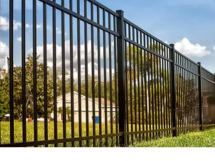
Most Chicago homeowners shopping for a metal fence narrow the decision down to two finalists: aluminum or wrought iron. Both look good from the curb, both come in similar Classic and Contemporary styles, and both can last decades when fabricated correctly. Where they part company is in how they handle salt, freeze-thaw cycles, impact, and the weight of the years. The aluminum vs wrought iron fence decision is less about which material is "better" in the abstract and more about which one fits the specific home, the specific lot, and the realities of Chicago weather. If you are still weighing styles before settling on a material, our guide to wrought iron fence installation covers the design end of the decision in more detail.
This comparison breaks down the two materials across the factors that actually matter once the fence is in the ground: weather resistance, lifespan, cost, curb appeal, maintenance, and security. By the end you should know which side of the aluminum vs wrought iron fence question fits your property.
How Aluminum and Wrought Iron Differ as Materials
Before comparing performance, it helps to understand what each material actually is. The terminology has shifted over the last fifty years, and "wrought iron" today is not the same product it was in 1900.
What Wrought Iron Means Today
Most modern wrought iron fences are fabricated from mild steel, sometimes called "ornamental iron," shaped into pickets, rails, and decorative elements that follow traditional wrought iron forms. True hand-forged wrought iron still exists for high-end Baroque restorations, but the bulk of residential iron fencing in Chicago is welded steel finished to look like classic wrought iron. The end product is heavy, structurally strong, and well-suited to ornate styling.
How Aluminum Fences Are Built
Aluminum fences are extruded or cast from aluminum alloy, then assembled into rackable panels that can adjust to slopes without custom fabrication. The metal is naturally corrosion-resistant because aluminum forms a protective oxide layer the moment it is exposed to air. Aluminum panels are lighter, easier to install, and generally less expensive per linear foot than wrought iron, but they cannot match iron's weight, presence, or decorative range.
Durability in Chicago Weather
This is the section that decides the aluminum vs wrought iron fence question for most Chicago buyers. The two materials respond very differently to the four weather pressures that matter most in this city.
Salt and De-Icer Exposure
Chicago sidewalks and streets are heavily salted from November through March. Aluminum is largely indifferent to road salt; the protective oxide layer self-repairs and the metal does not rust. Wrought iron, even when powder-coated, can develop rust at any chip, scratch, or weld point that loses its finish. Front-yard fences set near salted sidewalks see the most exposure, and aluminum has the clear advantage here.
Freeze-Thaw and Impact Resistance
Iron wins this category. Wrought iron can take a hard impact (a snowplow blade, a falling branch, a swung shovel) and bend rather than break. The same impact on aluminum often dents or punctures the picket because the metal is softer and the wall thickness is lower. Iron also handles repeated freeze-thaw cycles without flexing, which matters for tall gates and long fence runs that have to stay aligned year after year.
Wind and Snow Loading
Both metals shed wind and snow well because picket-style fences are mostly air. The difference shows up at the post: heavier wrought iron posts set in deeper concrete footings handle heavy lake-effect storms better than lighter aluminum posts. For exposed lots, lakefront property, or sites without windbreak from neighboring buildings, iron has a small but real edge.
Side-by-Side Weather Performance
For Chicago conditions, the head-to-head reads roughly like this:
Rust resistance: Aluminum wins clearly
Impact resistance: Wrought iron wins clearly
Freeze-thaw stability: Wrought iron wins, slight edge
Wind loading: Wrought iron wins, slight edge
Salt and de-icer exposure: Aluminum wins clearly
Recovery from minor damage: Wrought iron wins (bends, can be straightened); aluminum often needs picket replacement
Cost: Upfront and Over Time
Aluminum is almost always less expensive at the point of installation. Lighter panels, easier shipping, faster install, and lower material cost all combine to put aluminum roughly twenty to forty percent below comparable wrought iron on a per-foot basis.
Long-term cost is closer than the upfront numbers suggest. The factors that move the lifetime cost in iron's direction include:
Damaged aluminum pickets often need full replacement; bent iron pickets can usually be straightened or rewelded.
Iron fences typically last forty to fifty years before major restoration; quality aluminum lasts twenty-five to forty.
Resale value tends to favor wrought iron in historic neighborhoods, so the higher upfront cost can be partly recovered at sale.
The factors that move it in aluminum's direction:
Aluminum requires almost no rust maintenance, while iron needs occasional spot finishing.
If a section gets hit (car, plow, falling tree), aluminum sections are cheaper to swap than custom iron pickets.
For long fence runs on large lots, the per-foot savings add up quickly.
Curb Appeal and Style Range
Wrought iron has a presence aluminum cannot match. The weight of the metal, the depth of the powder coat, and the option for hand-forged scrollwork or cast medallions all read differently from the street than aluminum. For Italianate row houses, Beaux-Arts mansions, graystones, and homes in landmark districts, iron is the more appropriate look.
Aluminum holds its own on Contemporary and transitional homes. Modern aluminum lines come in flat-bar profiles, square tubing, and matte black or bronze finishes that read clean and minimalist. For new-build homes, modern infill construction, and pool surround applications, aluminum is often the better stylistic match. If you want decorative detail beyond what stock aluminum offers, our custom ironworks shop builds iron fences in custom Baroque, Classic, and hybrid designs that aluminum cannot replicate.
Maintenance Requirements
Aluminum fences are close to maintenance-free. An annual rinse with a garden hose and a check for loose panel screws is usually enough. Iron fences need a slightly heavier touch:
Annual visual inspection for chips, scratches, and rust starts
Spot touch-up paint or powder coat refinishing every three to five years on exposed sections
Tightening of welded or bolted connections after major impact
Full refinishing roughly every fifteen to twenty years for fences in salty or shaded locations
When iron does take damage (bent picket, broken weld, sagging gate), it usually responds well to fence repair rather than replacement. Aluminum damage tends to be replace-the-section work because dented pickets cannot be reshaped cleanly.
Security: Where Wrought Iron Still Wins
For pure security, wrought iron is the stronger choice. The pickets are heavier, the welds are stronger, and a six-foot iron fence is significantly harder to cut, bend, or climb than the same fence in aluminum. Commercial properties, multi-family buildings, and homes in higher-crime neighborhoods often go with iron specifically for this reason. Aluminum can serve as a perimeter fence and a visual deterrent, but it is not a true security barrier.
For pool fencing specifically, both materials meet code as long as picket spacing, height, and gate hardware comply with local ordinance. Style, cost, and maintenance preference usually drive that decision more than security.
Choosing the Right Fence for Your Chicago Property
The aluminum vs wrought iron fence decision usually breaks down along the following lines:
Aluminum is likely the better choice if:
Your home is contemporary or modern
The fence will sit close to a salted sidewalk or driveway
You want low maintenance and a lower upfront price
You are fencing a long perimeter on a large lot
The fence is for a pool or dog run rather than security
For homes that fit this profile, our aluminum fence installation service covers most common Chicago applications.
Wrought iron is likely the better choice if:
Your home is historic, ornate, or in a landmark district
You want decorative detail beyond what aluminum offers
Security is a priority
The fence run is exposed to high winds or heavy snow loading
You expect the fence to outlast the next forty years without replacement
Key Takeaways
Aluminum resists rust and salt better; wrought iron resists impact, freeze-thaw, and wind better.
Aluminum costs less upfront and needs less maintenance; wrought iron lasts longer and tends to lift property value in historic neighborhoods.
For ornate or historic Chicago homes, iron is the more appropriate look; for contemporary builds and pool surrounds, aluminum often fits better.
Security favors wrought iron; long perimeter runs on large lots favor aluminum.
Both materials meet Chicago fence code as long as height and picket spacing are correct.
Frequently Asked Questions
Does aluminum fence look as good as wrought iron?
Aluminum fences in Classic and Contemporary styles look very similar to wrought iron from the street. The closer you get, the more the difference shows: lighter wall thickness, less weight, and less depth in the finish. For ornate Baroque styles with scrollwork or cast medallions, aluminum cannot match wrought iron's appearance.
Will an aluminum fence rust in Chicago?
No. Aluminum does not rust. It can oxidize at the surface and dull slightly over many years, but the structural metal stays intact. This is the single biggest reason aluminum is gaining share in salted-sidewalk neighborhoods.
Is wrought iron worth the higher cost in Chicago?
For historic homes, ornate properties, and homes in landmark districts, yes. The visual fit and longer lifespan tend to justify the upfront premium. For contemporary homes, large-lot perimeter runs, or pool surrounds, aluminum often delivers similar value at a lower price.
Which fence type is harder to climb or break through?
Wrought iron. The heavier picket weight, stronger welds, and rigid construction make iron fences significantly harder to defeat than aluminum. Commercial properties and security-focused residential installs almost always specify iron.
How long does each fence last in Chicago weather?
A well-fabricated wrought iron fence with a quality powder-coat finish typically lasts forty to fifty years before major restoration. Quality aluminum lasts twenty-five to forty years. Both numbers can drop sharply if the original finish is thin or if the fence sits in a constantly salted or shaded location.
Can I mix aluminum and wrought iron on the same property?
Yes. A common Chicago setup uses wrought iron for the visible front fence and gate and aluminum for side and rear runs where presence matters less. As long as both are powder-coated to the same color, the transition reads cleanly.
Conclusion
The aluminum vs wrought iron fence decision is one of the few fencing choices where both options can be the right answer, depending on the home and the lot. Aluminum wins on rust resistance, upfront cost, and ease of installation. Wrought iron wins on impact resistance, security, longevity, and curb appeal on historic architecture. Match the material to the property and the climate exposure, and either choice will hold up.
Americana Iron Works and Fence has fabricated and installed both aluminum and wrought iron fences across Chicago for more than thirty years. Contact us for a free quote at 312-722-6515 or schedule an on-site consultation to talk through which metal fence fits your property.