
Blog
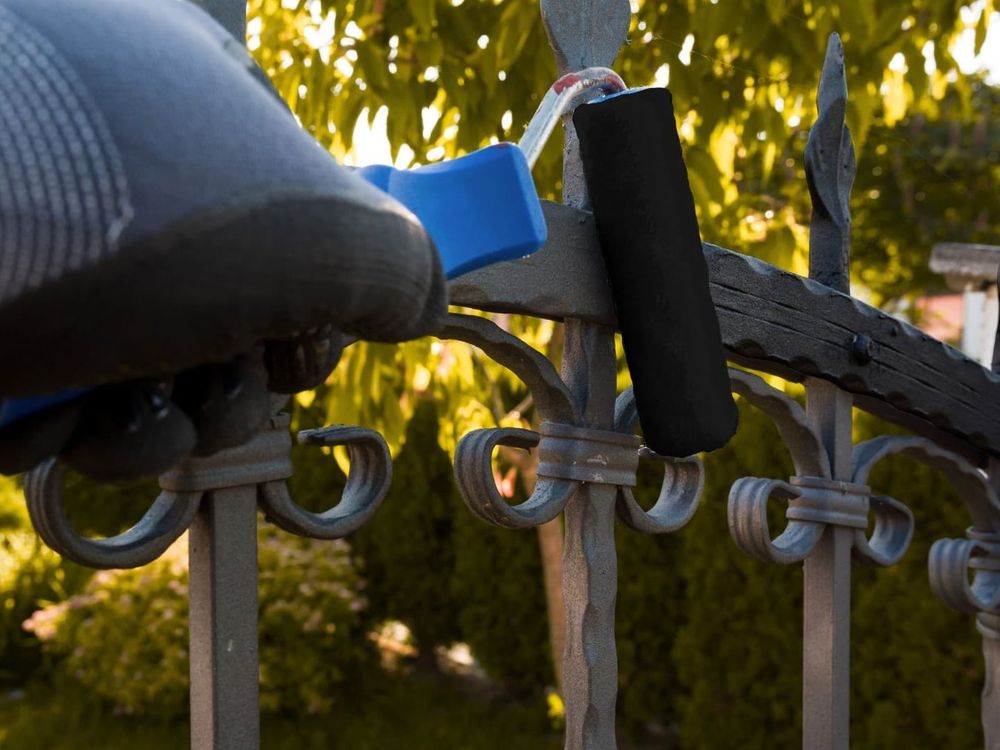
Protect your Chicago property's metalwork with essential exterior metal painting before winter sets in, as freezing temperatures and road salt accelerate rust and corrosion. Prioritize inspecting critical surfaces like fence posts, railings, stairs, and fire escapes, particularly at grade lines and undersides, for any signs of coating failure or exposed steel. Addressing these vulnerabilities now prevents expensive repairs and structural damage by ensuring your ironwork remains protected through the harsh winter months.
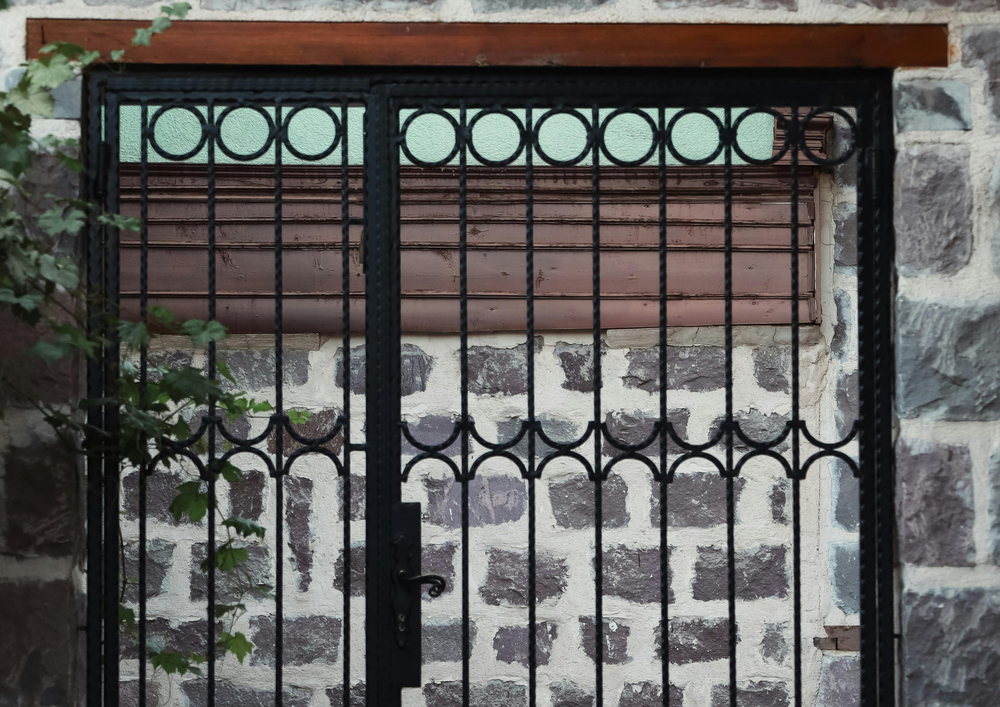
Anchoring an iron fence into existing concrete or masonry requires careful consideration of methods like core drilling or surface mounting, as well as assessing factors like slab thickness, reinforcement, and what lies beneath the surface. Proper anchor selection, edge distance, and understanding the substrate are crucial for long-term stability and preventing common issues like water damage or gate post failure. Successfully securing your iron fence ensures it remains tight for years, whether in Chicago or elsewhere, preventing costly repairs.
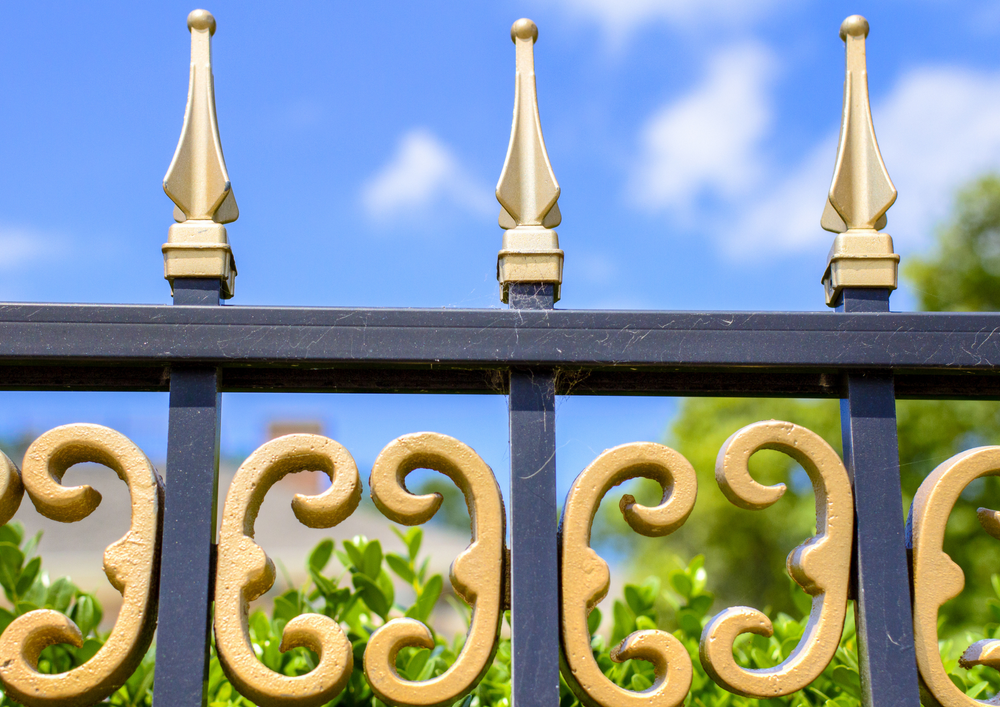
Before hiring an iron fabricator, asking specific questions about project scope, finish details, permits, and connection methods is crucial to avoid hidden costs and disputes. Price differences frequently arise from variations in surface preparation, weld repairs, and responsibility for concrete or masonry, not just the steel itself. Clarifying these critical details ensures a transparent project understanding and the best value for your metal fabrication or custom ironwork.
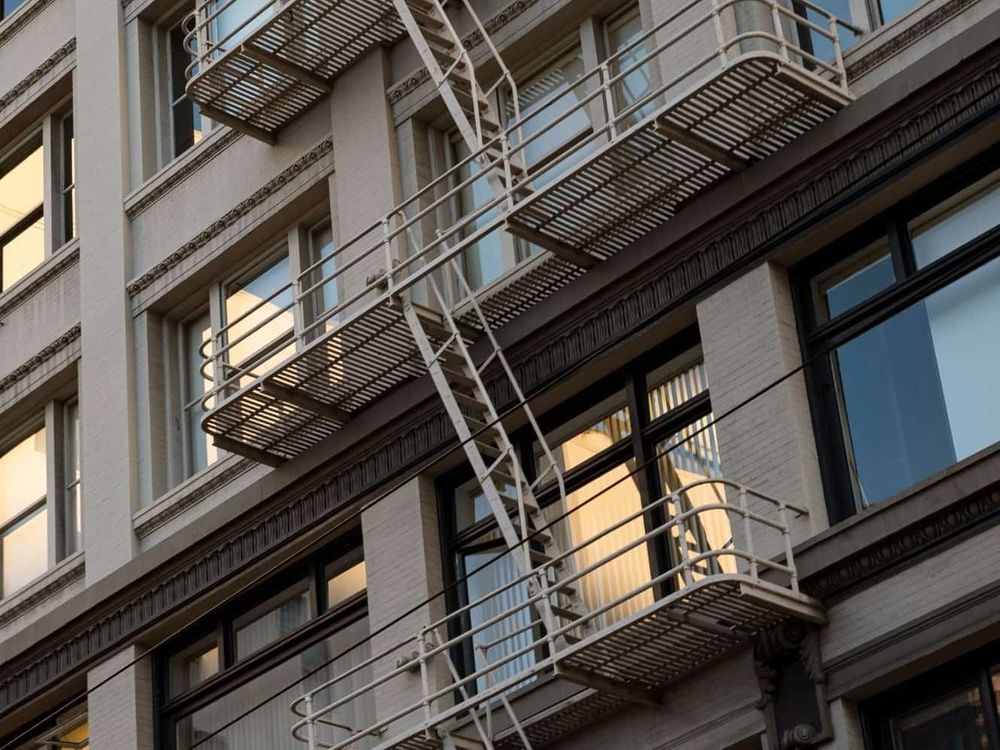
Deciding between fire escape repair or replacement for Chicago buildings often hinges on the condition of wall anchors and surrounding masonry, not just the visible stairs. Corroding embedded steel expands, damaging masonry and compromising the connection to the building, while Chicago city code mandates regular scraping and repainting to prevent such deterioration. Localized corrosion with sound anchors suggests repair, but widespread section loss or multiple failed anchors typically necessitates a full fire escape replacement for long-term safety and compliance.
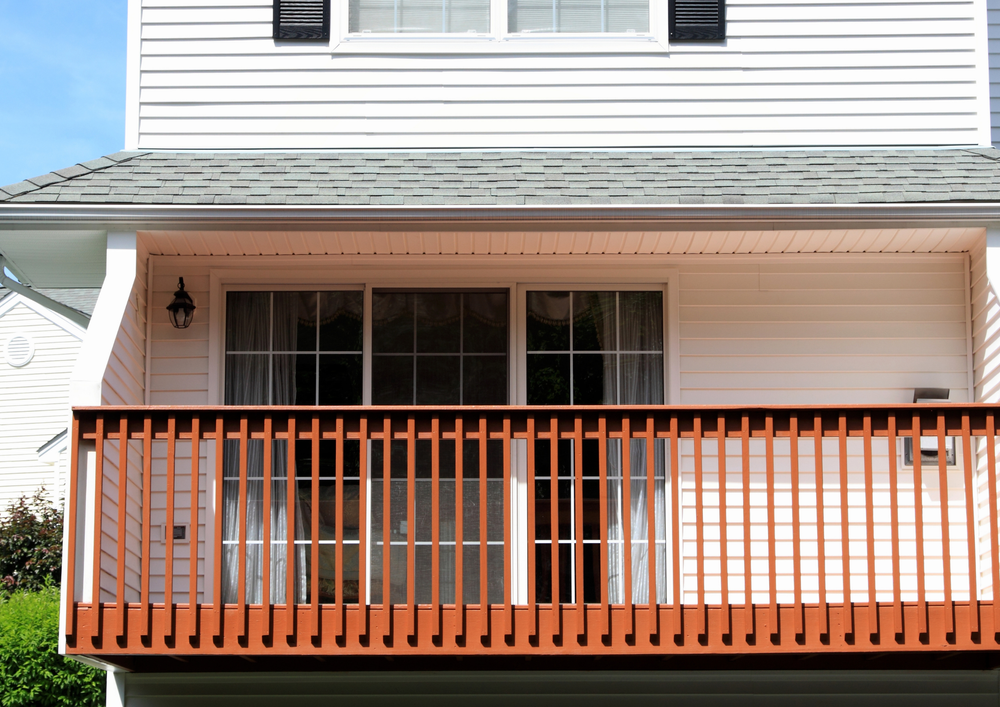
Deciding between welded vs bolted railing connections significantly impacts installation cost, coating durability, and long-term maintenance. While welded connections offer stiffness and a clean appearance, bolted connections preserve finishes and allow for easier replacement, making a hybrid approach of shop welding and field bolting ideal for most railing installations. This strategic choice ensures better results, especially for structural steel components in challenging environments.
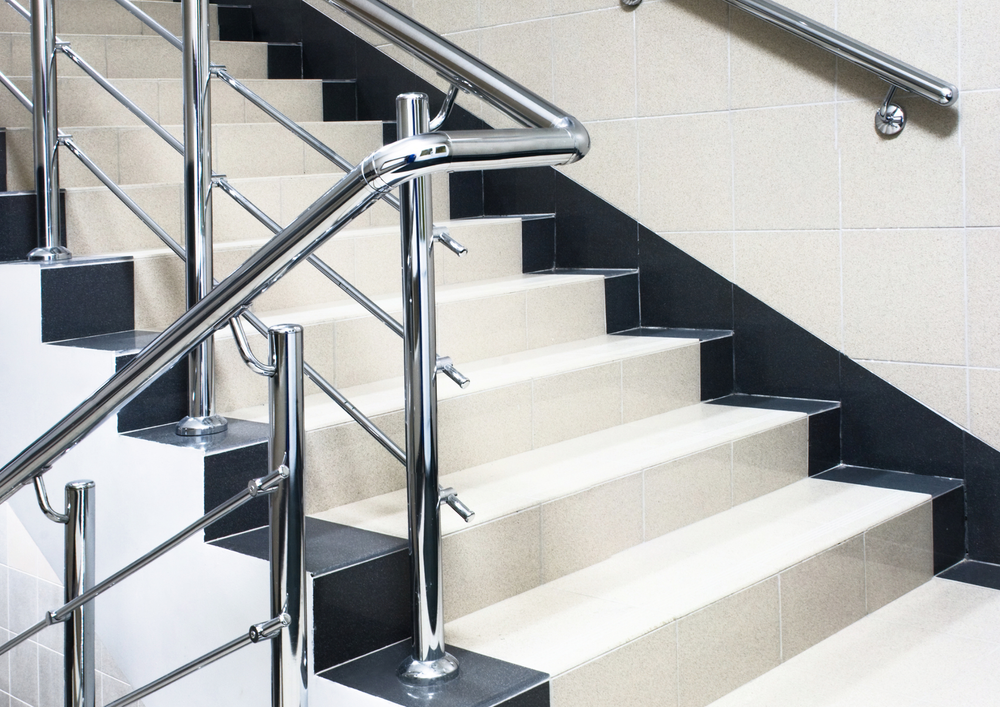
ADA handrail requirements are critical for accessibility, with specific rules for handrail height, grip, and extensions. Handrails must be 34-38 inches high, feature graspable profiles (1¼-2 inches circular; 4-6¼ inch perimeter non-circular), and include continuous extensions at stairs and ramps for full compliance. Designing these ADA specifications correctly from the start avoids common failures and costly rework in fabricated steel installations.
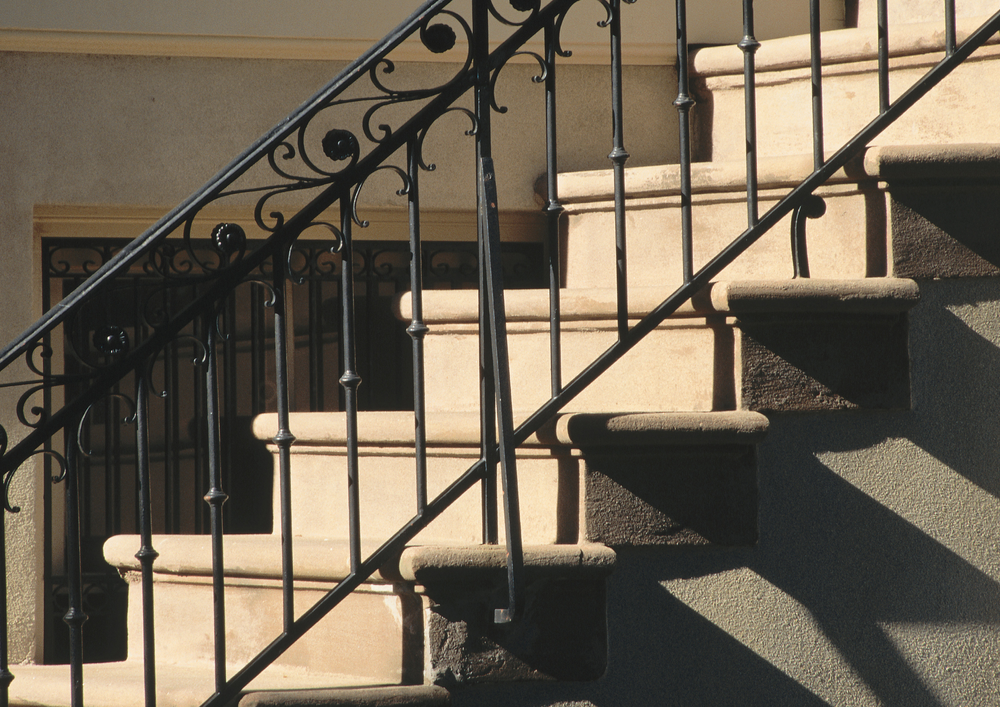
Ensure the safety of your property with an essential iron railing inspection. Learn the 7 critical signs your iron railing is failing, from dangerous movement and corrosion at post bases to cracked welds and loose pickets. Most issues are repairable, making early detection key to preventing costly replacement and ensuring your railing remains secure.
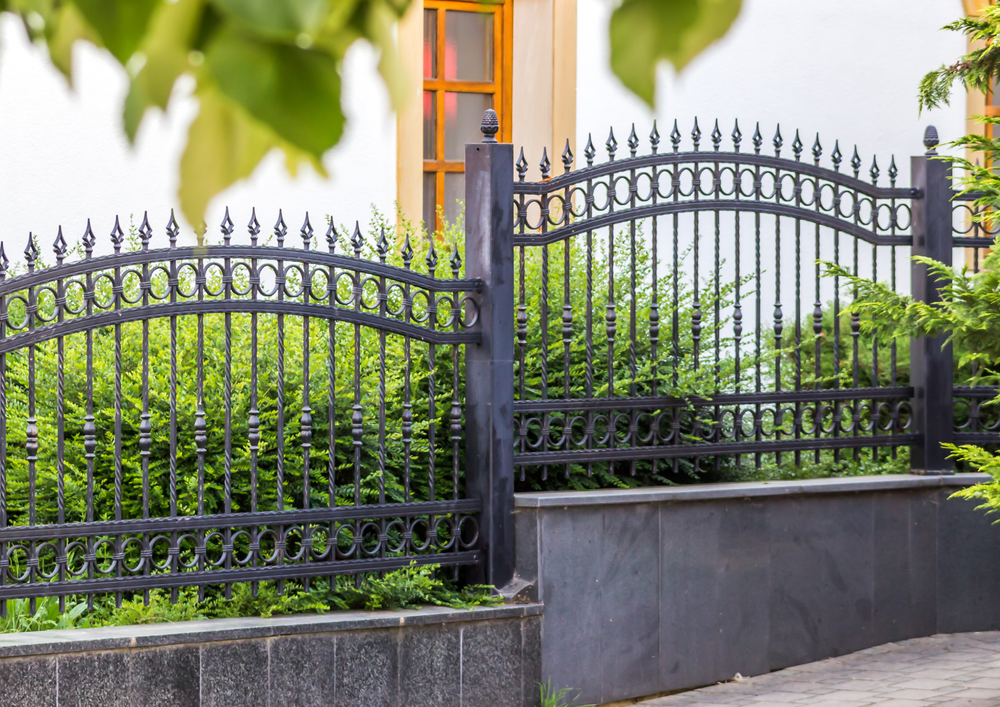
On-site fence welding in Chicago offers a cost-effective alternative to full replacement for many types of damage, preserving valuable ironwork often found in older neighborhoods. This includes repairs for broken welds, bent pickets, sagging gates, and impact damage, especially for wrought iron and mild steel fences. However, widespread corrosion, failed underground posts, or aluminum/chain link fences typically necessitate replacement rather than repair.
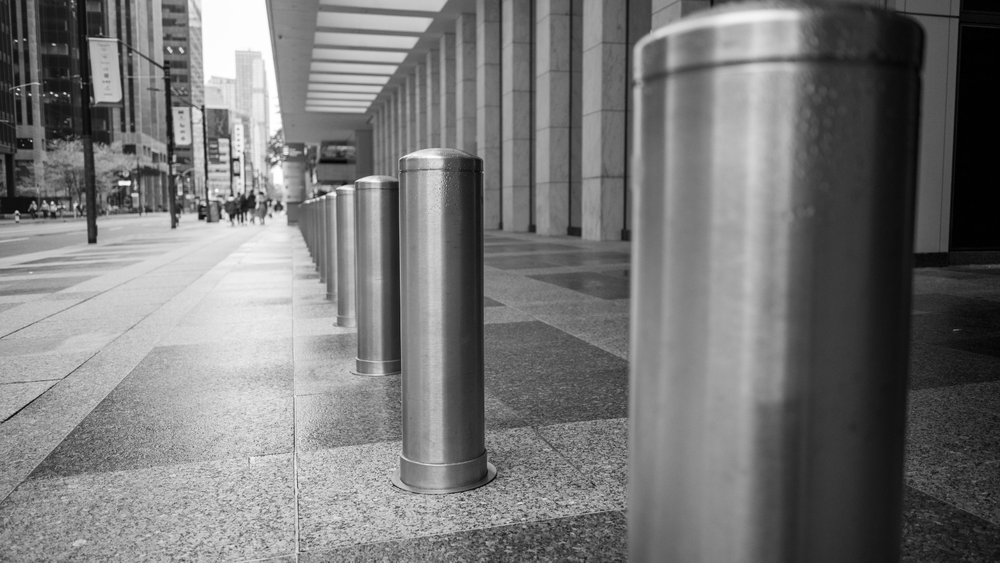
For iron bollards installation in Chicago storefronts, genuine vehicle resistance depends on correctly embedded bollards set in deep concrete footings, often below the 42-inch frost line, while surface-mounted units typically provide guidance only. Proper footing diameter, adequate spacing for both vehicle prevention and pedestrian accessibility, and concrete-filled pipes are crucial for performance. Always verify utility locations, check for sidewalk vaults, and confirm permit requirements before excavation to ensure a durable and compliant installation.
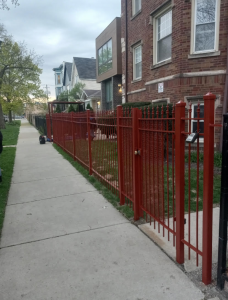
For Chicago ironwork, selecting the right finish from hot-dip galvanizing, powder coating, or wrought iron fence painting is crucial for durability against harsh weather. Hot-dip galvanizing provides sacrificial rust protection for new work, while powder coating offers diverse aesthetics and abrasion resistance. For existing ironwork, professional painting with thorough rust removal remains the practical and most effective solution.
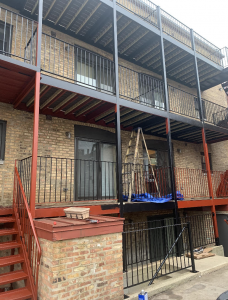
Chicago's porch code rigorously regulates load-bearing porch posts and iron railings, classifying them as critical structural elements for safety, not mere features. Repairs or replacements of these structural components always require a permit and plans from a licensed architect or engineer. Understanding these strict Chicago porch permit requirements is crucial for ensuring compliance and safety.
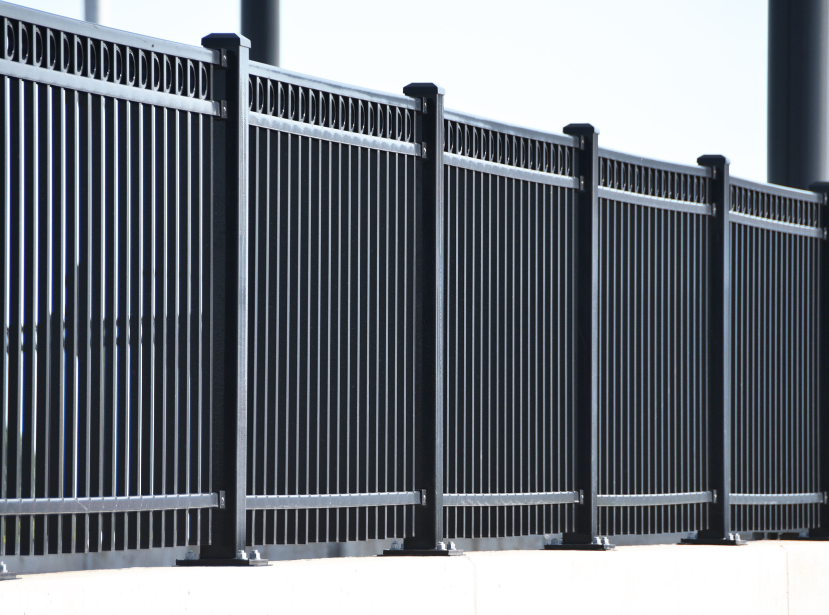
Secure the bottom of your fence to prevent pet escapes, deter wildlife, and enhance property security by addressing common issues like digging, erosion, and loose posts. This guide explores various effective methods, from tension wire and bottom rails to L-footers and concrete solutions, tailored to solve specific gap problems. Learn how to identify the root cause of fence gaps for a lasting and secure perimeter.
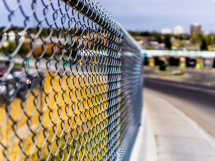
Understand Chicago's specific chain link fence height rules, including the general 6-foot residential limit and how front setback regulations are impacted by fence opacity. Learn why adding privacy slats can change your fence's compliance and how Chicago precisely measures height, especially on sloped ground. This guide explains legal methods to add height to your chain link fence while adhering to the Chicago Zoning Ordinance to avoid common inspection failures.
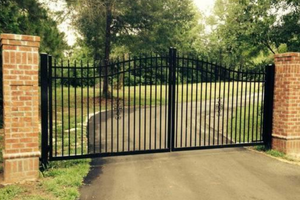
For Chicago property owners seeking superior curb appeal, security, and lasting value, wrought iron gates remain the material of choice for entry and driveway installations, outperforming alternatives when properly fabricated and installed. Custom wrought iron gate fabrication ensures a perfect fit for Chicago's unique architecture, addressing specific challenges like uneven ground and historical context for optimal long-term performance. Considering Chicago's climate and permit requirements, proper installation, including robust hardware and freeze-thaw resistant post footings, is crucial for an enduring and functional wrought iron gate.
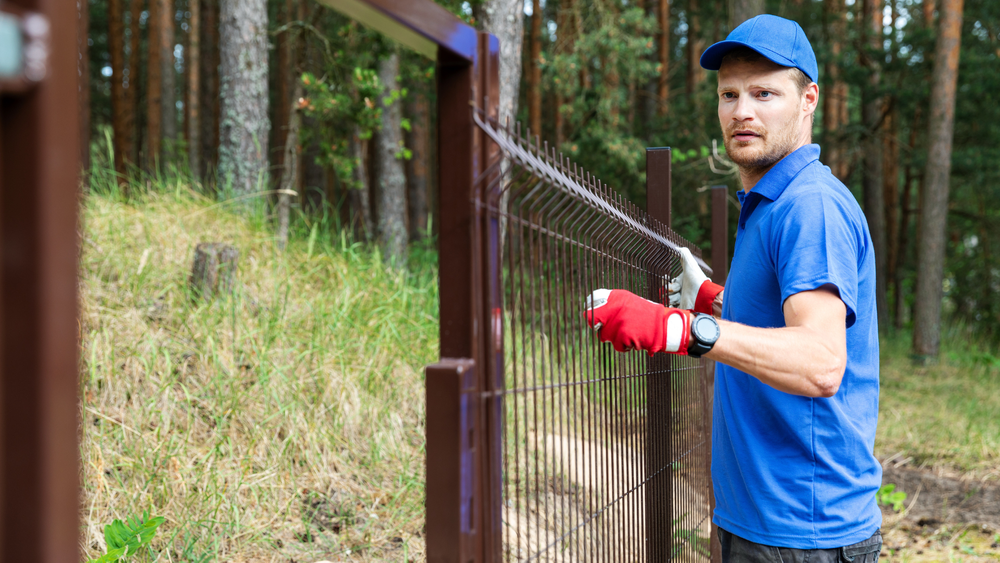
Chicago iron gates frequently encounter weld failure, misalignment, or hardware issues, often exacerbated by the city's unique climate. Identifying whether your gate problem stems from a structural weld, post movement causing misalignment, or worn-out hardware is key to a lasting solution. Professional Chicago iron gate repair addresses these specific challenges, ensuring your gate regains its security and functionality.
Chicago property owners frequently encounter rust and code violations with balcony railings, making custom iron railings a practical necessity due to the city's unique climate and architectural demands. Custom fabrication ensures precise fit for vintage buildings, aesthetic continuity, and critical adherence to Chicago building codes for height, baluster spacing, and structural integrity. From traditional scrollwork to contemporary designs, professional installation and material considerations like mild steel with proper coating are vital for durable, compliant solutions that enhance curb appeal.