
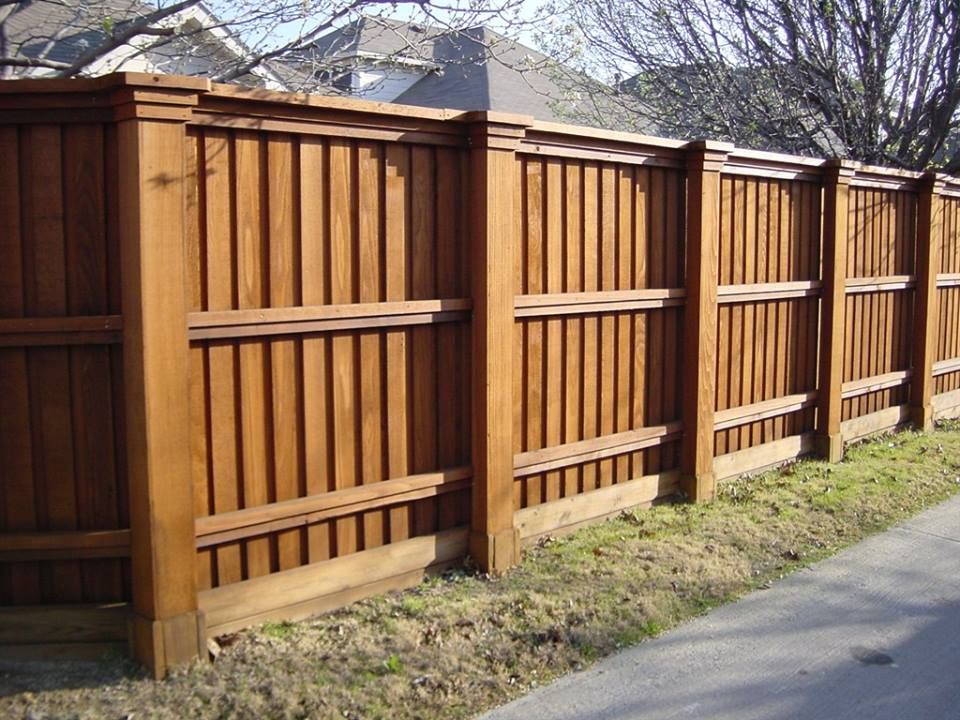
A wood fence rarely fails all at once. It happens gradually. A post softens at the base. A few boards start to bow. Then one winter does its damage, and suddenly the fence that looked fine in October is a hazard by April. For Chicago homeowners, that cycle is familiar, and the question is almost always the same: how much of this can still be saved?
The answer depends on where the damage is, what caused it, and how far it has spread. Not every fence with a rotten post needs to come down. But not every leaning fence can be patched back to life either. Understanding the difference saves money, prevents repeat failures, and helps you make decisions based on reality rather than wishful thinking.
Why Chicago Fences Take Such a Beating
Chicago's climate is genuinely brutal on wood. Freeze-thaw cycles, heavy precipitation, humid summers, and road salt drifting from nearby streets create conditions that accelerate decay faster than most climates. The University of Illinois Extension has documented how repeated soil moisture fluctuations cause post bases to degrade years ahead of schedule in the Midwest, particularly in clay-heavy soils that trap water around the wood.
Older neighborhoods like Bridgeport, Logan Square, and Pilsen often have fences built on soil that was never properly graded, meaning water pools at the fence line rather than draining away. The fence above ground looks fine. Underground, the posts are crumbling.
Add to that the wind. Chicago's sustained wind speeds put constant lateral pressure on fence panels, loosening fasteners and slowly racking frames that weren't built with much structural margin to begin with.
Diagnosing the Damage Before Deciding Anything
Before you call anyone or buy materials, spend an hour actually assessing the fence. Start at the posts.
How to Check Posts for Rot
Push a screwdriver or a stiff knife into the post at ground level. If it sinks more than half an inch with light pressure, the post has lost structural integrity. A post that sounds hollow when tapped and flakes apart at the surface is almost certainly rotted through, even if the wood above ground still looks solid.
Check the first six inches above and below the soil line most carefully. That transition zone, where wood moves between wet and dry conditions repeatedly, is where decay begins. If rot extends more than a few inches above grade, the post is a write-off.
Assessing Rails and Boards
Horizontal rails are often the second point of failure. They carry the weight of the fence boards and take wind load across their length. Probe the ends where they meet the posts, because water tends to pool at that joint. A rail that flexes noticeably under hand pressure or shows deep cracking along the grain needs replacement.
Individual boards are the most salvageable component. A warped board that is still solid can sometimes be pulled, flipped, or re-secured with longer fasteners. A board that crumbles when you press it needs to go. The good news is that boards are cheap and easy to replace, so there is rarely a reason to tolerate a visibly rotten one.
What Can Actually Be Saved
Here is where most homeowners get the math wrong. They assume that because a fence looks bad, it needs full replacement. Or conversely, they patch one section without recognising that the underlying cause, usually drainage, post depth, or untreated wood, will cause the same failure within a few years.
Post replacement without full fence replacement is often viable. If rails and boards are in reasonable shape, pulling two or three failing posts and installing pressure-treated replacements can extend the useful life of a fence by five to ten years. The key is making sure the new posts are set deep enough, typically one third of the post length below grade, and properly anchored in concrete that is mounded slightly above soil level to shed water.
Section-by-section repairs work well when damage is isolated. A fence that has one failing bay on an otherwise sound run can have that bay rebuilt without touching the rest. This is a common scenario in older Chicago neighborhoods, where a tree root has heaved one section or a gate post has rotted prematurely from repeated exposure.
Cosmetic repairs with structural limitations are worth understanding too. If rails and posts are sound but boards are split, faded, or missing, replacing the boards and repainting or staining the fence restores the appearance without major structural work. This is often the right call for fences that are five to ten years old with weather damage but no real rot.
What cannot be saved is a fence where the majority of posts have failed at the base. At that point, you are essentially rebuilding around a skeleton that cannot support the weight, and any repairs will be temporary at best.
The Role of Wood Species and Treatment
Not all wood fences are created equal, and this matters a lot when you are deciding whether to repair or replace. Pressure-treated pine is the standard for Chicago installations because it resists moisture and insect damage better than untreated alternatives. Cedar has natural oils that slow decay, making it a good choice for boards and rails. Redwood performs similarly but is harder to source locally at reasonable cost.
If an older fence was built with untreated wood, that context matters. You may be repairing a fence that was never going to last as long as it should have, and the better long-term decision might be to rebuild with properly treated materials rather than extend the life of something fundamentally underspecified.
For a detailed look at what professional fence repair involves and what to expect from a full assessment, the team at Americana Iron Works & Fence has spent over 30 years working on Chicago's older housing stock, including residential and commercial properties across the metro area.
When the Fence Is Leaning
A fence that leans is either a post problem or a rail problem, and the distinction matters. A post that has shifted in the ground due to soil movement or frost heave can sometimes be straightened and re-secured if the wood is still sound. Set a level against the post, excavate around the base, reposition it, and pack the hole with fresh concrete. Done early, this is a relatively simple fix.
A fence that leans because the rails have loosened from the posts is a different issue. It often signals that the original fasteners were undersized or that the wood at the connection point has deteriorated. Re-fastening with longer screws or carriage bolts through sound wood can work, but if the wood at the joint is soft, you are just delaying the inevitable.
A fence that leans and has multiple failing posts is structurally compromised. Trying to straighten it without replacing those posts is like propping up a building on a cracked foundation.
Common Repair Mistakes to Avoid
A few patterns come up repeatedly when Chicago homeowners or unqualified contractors attempt fence repairs without a full assessment.
Capping over rot is probably the most common error. Nailing a new board over a rotten one looks fine from the street but traps moisture between the layers and accelerates decay in both. If a board needs replacing, remove it completely.
Using the wrong fasteners compounds problems quickly. Galvanized or stainless steel screws and nails resist rust in outdoor conditions. Standard steel fasteners corrode, stain the wood, and fail faster than the wood itself in a Chicago climate.
Skipping drainage correction means the same repair fails in the same place. If a post rotted because soil is graded toward the fence, or because a downspout empties near it, fixing those conditions matters as much as replacing the post.
Connecting with a contractor who handles fence repair as a specialist service, rather than a general handyman who picks up odd jobs, makes a measurable difference in outcomes. An experienced contractor will catch drainage issues, improper post depth, and unsuitable materials before they turn into repeat failures.
Getting a Professional Assessment Right
If you are unsure whether your fence is worth repairing, a professional assessment is usually the fastest path to clarity. A good contractor will walk the fence line with you, identify which posts are failing versus merely aged, check the rail connections, and give you an honest breakdown of what is salvageable and what needs to go.
Ask specifically about post depth, wood species, and how the new work will be finished to resist moisture. Those three questions separate contractors who are thinking about long-term performance from those who are focused only on closing the job.
If you are ready to get that assessment started, you can contact us to arrange a free quote and have a qualified professional evaluate your fence in person.
Key Takeaways
Probe posts at the soil line before making any decisions. A screwdriver test takes two minutes and tells you more than visual inspection alone.
Individual boards are almost always worth replacing. Posts and rails require more judgment based on how far the rot has spread.
Leaning fences need a root-cause diagnosis, because the fix depends entirely on whether the failure is in the posts, the rails, or both.
Drainage correction is not optional. Fixing the wood without addressing water accumulation at the fence line leads to the same failure in the same location.
Wood species and treatment level matter. A fence built with untreated wood in a Chicago climate may be better rebuilt than repeatedly repaired.
Frequently Asked Questions
How do I know if my fence post needs to be replaced or can be repaired? If the screwdriver test shows the wood is soft and spongy at and below the soil line, replacement is the right call. Posts that are only surface-weathered but still solid beneath can sometimes be cleaned, treated with a wood hardener, and left in place, though replacement is more reliable for long-term performance.
Can I repair just one or two sections of a fence without replacing the whole thing? Yes, section-by-section repair is a practical and cost-effective approach when damage is genuinely isolated. The important condition is that the rest of the fence is structurally sound. If multiple sections show problems, a full replacement often becomes more economical than piecemeal work over several seasons.
How long does a professionally repaired wood fence last in Chicago? A fence with proper post depth, pressure-treated or naturally rot-resistant materials, and good drainage management should last 15 to 20 years before requiring significant structural work again. Individual boards may need replacement sooner depending on weather exposure and finish maintenance.
What causes fence posts to rot faster in some yards than others? Soil drainage is the biggest variable. Clay-heavy soils, which are common across much of Chicago, hold moisture against the post base for extended periods after rain or snowmelt. Properties with poor grading, large trees nearby, or downspouts emptying near the fence line tend to see post failure years earlier than comparable installations with better drainage.
Is it worth repainting or staining a fence that needs some structural repairs? If the structural repairs are addressed first, painting or staining afterward adds real value. A quality exterior finish slows moisture absorption, reduces UV degradation, and extends the life of the wood meaningfully. Applying finish over a fence with unresolved rot is counterproductive because it seals moisture in rather than keeping it out.
A wood fence is a long-term investment in privacy, property value, and curb appeal. Getting the repair versus replace decision right the first time is the most practical thing a Chicago homeowner can do before the next freeze-thaw cycle runs its course.