
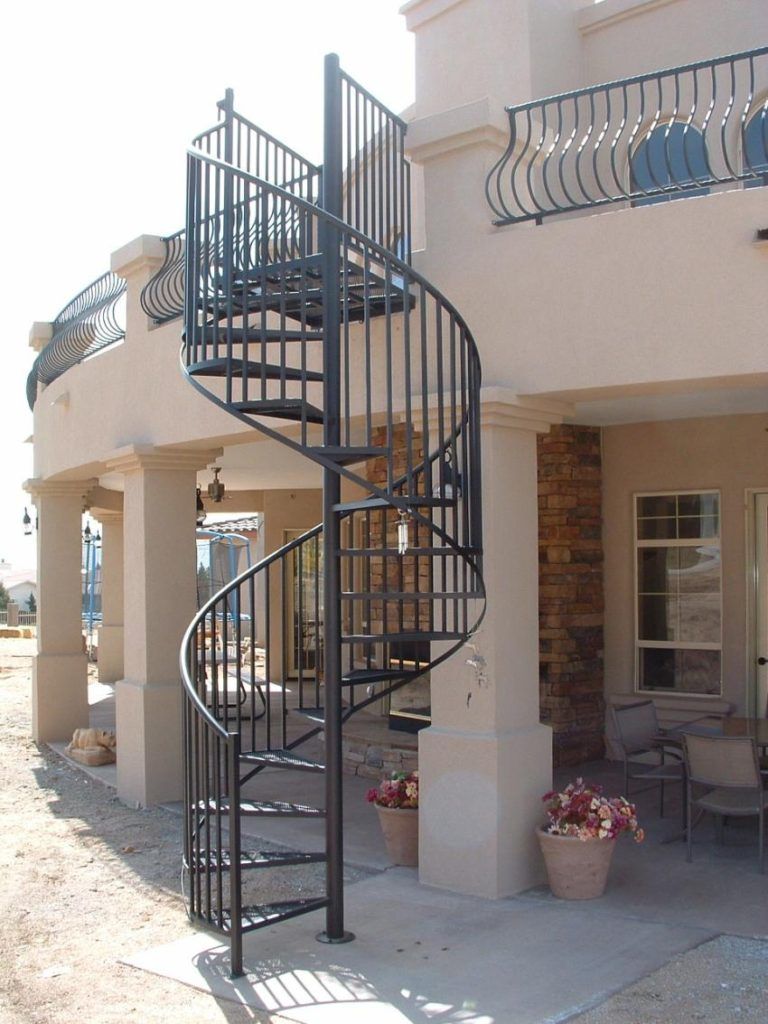
A staircase is one of the first things people notice when they walk into a home. It sets the architectural tone for every room that follows. And yet, most homeowners treat it as a structural afterthought rather than a design opportunity. In Chicago especially, where the housing stock spans over a century of architectural history, the staircase is often the single best canvas for a statement piece that actually holds its value.
Wrought iron staircases have been used in Chicago's greystone flats, vintage courtyard buildings, and historic single-family homes for generations. The material ages beautifully, tolerates Chicago winters without warping or rotting, and can be fabricated into virtually any form, from sweeping classical curves to sharp-edged contemporary lines. If you are renovating or building and want a staircase that is genuinely custom, this guide covers the main design directions, practical decisions, and questions worth asking before you commit.
Why Wrought Iron Still Makes Sense in 2024
Before getting into aesthetics, it is worth understanding why the material itself remains a top choice for custom stair fabrication.
Wrought iron is malleable under heat, which means a skilled fabricator can bend, twist, and forge it into shapes that cast iron or aluminum simply cannot replicate. That flexibility is what makes genuine hand-forged work look different from mass-produced alternatives. A scrolled picket on a hand-forged railing has variation and weight to it. A stamped aluminum imitation does not.
From a durability standpoint, a properly installed and painted wrought iron staircase can last decades without structural compromise. According to the Architectural Ironmasters Association, high-quality ironwork with correct surface preparation and paint can maintain its integrity for 40 to 50 years with minimal maintenance. That matters a great deal for Chicago property owners dealing with freeze-thaw cycles and seasonal moisture.
Classic and Traditional Staircase Design Styles
Scroll and Basket Twist Pickets
This is the most recognizable category of wrought iron staircase design, and for good reason. Scrollwork has been used in Chicago's historic residential architecture since the late 1800s. The characteristic curves, whether open spirals, C-scrolls, or layered basket twists, carry a warmth and craftsmanship that suits older homes in neighborhoods like Lincoln Park, Old Town, and the Gold Coast perfectly.
For a traditional look, the most common configurations use a repeating scroll pattern in the pickets with a solid top rail and either a round or square bottom rail. Adding a decorative collar or ring detail where pickets meet the rail gives the finished piece a hand-crafted quality that catalog railings rarely achieve.
Basket twist pickets, where two or more iron bars are twisted together in a woven pattern, are a particularly good choice for Victorian and Arts and Crafts-era homes. They add visual texture without overcomplicating the design.
Spear-Top and Fleur-de-Lis Finials
Finials are the pointed or decorative tops on individual pickets. In traditional wrought iron work, spear tops and fleur-de-lis designs are the most historically accurate choices for Chicago's older building stock. They signal craftsmanship, add vertical rhythm to the railing, and connect the staircase to the broader architectural language of the home.
These work especially well on open-tread staircases in vintage two-flats and greystone buildings, where the railing is highly visible from both the stairwell and any adjacent rooms.
Modern and Contemporary Custom Iron Staircase Ideas
Not every Chicago home calls for scrollwork. Many of the city's newer builds and renovated lofts, particularly in Wicker Park, West Loop, and Pilsen, suit a cleaner, more industrial aesthetic. Wrought iron adapts to that direction just as well.
Flat Bar and Geometric Pickets
Modern iron staircase design often favors flat bar pickets set in horizontal or diagonal orientations rather than vertical. This creates a visual grid effect that feels contemporary and pairs cleanly with open-plan interiors, polished concrete floors, and exposed brick walls.
Geometric configurations, such as diamond or herringbone patterns built from flat bar stock, are increasingly popular for custom residential staircases. The key with geometric designs is keeping proportions consistent across the full run of the staircase. Even a small variance in spacing reads as a mistake at scale.
Cable Infill with Iron Framing
A hybrid approach that has grown in popularity over the past decade combines a wrought iron structural frame with stainless steel cable infill. The iron provides the skeleton and visual weight, while the cables allow unobstructed sightlines through the staircase. It works well in open-concept spaces where preserving the sense of space is a priority.
This style suits modern row houses and renovated industrial buildings particularly well. The contrast between the dark iron frame and the silver cable creates depth without visual clutter.
Floating Tread Staircases with Iron Stringers
Floating tread staircases, where individual steps appear to cantilever from the wall with no visible support underneath, are one of the more dramatic modern staircase options. Wrought iron stringers, fabricated to precise measurements, provide the structural backbone while remaining largely concealed. A fabricator with in-house capability can build stringers to fit the exact geometry of the space rather than adapting a standard product to an awkward fit.
Hand-Forged Ironwork: What Sets It Apart
There is a meaningful difference between hand-forged ironwork and factory-fabricated metal stair components. Hand-forging involves heating iron stock and shaping it individually at the anvil, which produces subtle variations in form that make each piece unique. The resulting work has a depth and authenticity that welded catalog parts cannot replicate.
For Chicago homes with significant architectural character, particularly in landmark districts or historic neighborhoods, hand-forged ironwork is often the most appropriate choice. It can be matched to existing original ironwork on the property, which matters when you are replacing a section of original railing rather than starting from scratch.
Working with a company that offers genuine custom ironworks capability, built in-house rather than outsourced, is the critical factor here. It affects everything from the quality of the finished piece to the ability to accommodate non-standard dimensions and period-accurate design details.
Practical Design Decisions to Make Before You Fabricate
Getting the design vision right is only part of the process. There are several practical decisions that affect fabrication, installation, and long-term performance.
Picket spacing: The International Residential Code requires that balusters on residential staircases be spaced no more than 4 inches apart. This is a safety standard, not a suggestion, and any reputable fabricator will design to it automatically.
Handrail profile: Round rails are traditional and comfortable to grip. Square or rectangular profiles suit modern designs but can feel less ergonomic on longer stair runs. Some custom designs use a flat top rail with a separate graspable inner rail, which satisfies both aesthetic and code requirements.
Surface finish and paint: The standard finish for wrought iron staircases in Chicago is a direct-to-metal primer followed by enamel or powder coat. Color choice significantly affects how the ironwork reads in the space. Matte black is the most versatile, but oil-rubbed bronze, dark charcoal, and even deep forest green work well in the right interior. For exterior or semi-exterior staircases, such as those on back porches or deck access stairs, primer selection becomes more critical because of exposure to moisture.
Integration with existing architecture: For homes in older Chicago neighborhoods, consider how the new ironwork will interact with original plaster, stone, or hardwood elements. A fabricator who understands Chicago's architectural context, as the team at Americana Iron Works & Fence does after three decades of working across the city's varied neighborhoods, can advise on proportions and design details that complement rather than clash with the existing structure.
Key Takeaways
Wrought iron staircase design ranges from traditional scrollwork and hand-forged details to clean geometric and cable-infill modern configurations, and the right choice depends on the home's architectural character.
Hand-forged ironwork differs meaningfully from factory-fabricated components in quality, authenticity, and the ability to match or complement existing period ironwork.
Practical decisions around picket spacing, handrail profile, and surface finish affect both code compliance and long-term durability, not just appearance.
In-house fabrication capability matters more than most homeowners realize. It directly affects fit, quality control, and the ability to handle non-standard dimensions common in Chicago's older building stock.
A well-designed and properly finished wrought iron staircase is a long-term investment with a lifespan measured in decades, not years.
Frequently Asked Questions
How long does a custom wrought iron staircase take to fabricate and install? Timelines vary depending on the complexity of the design and the fabricator's current workload. A straightforward residential railing replacement typically takes two to four weeks from final design approval to installation. More complex custom staircases with hand-forged elements or floating tread systems can take six to eight weeks or longer. Getting an accurate timeline upfront, and building in a buffer if you have a renovation deadline, is always worth doing.
Can wrought iron staircase railings be added to existing stairs without a full rebuild? Yes, in most cases. A fabricator will measure the existing stair geometry and build a railing system that anchors into the existing treads or surrounding structure. This is common in Chicago renovation projects where the staircase structure is sound but the original railing is damaged, missing, or simply not in keeping with a newly renovated interior.
What is the difference between wrought iron and mild steel for staircase fabrication? Wrought iron is a traditional material with a fibrous grain structure that makes it highly resistant to corrosion and particularly suited to hand-forging. Much of what is called wrought iron today in staircase and railing work is actually mild steel, which is easier to source and work with but slightly less corrosion-resistant. A good fabricator will be transparent about the material they are using and specify appropriate surface treatments accordingly.
Do wrought iron staircases require a lot of maintenance? Not particularly, if they are finished correctly from the start. A quality primer and enamel or powder-coat finish, properly applied, will resist rust for many years. The main maintenance task is periodic inspection for chips or scratches in the finish, which should be touched up before rust has a chance to develop. Interior ironwork needs less attention than exterior pieces.
Is a custom wrought iron staircase worth the investment compared to a standard option? For homes in Chicago's historic neighborhoods, the answer is almost always yes. A custom piece fits the space precisely, matches the architectural character of the home, and holds its quality far longer than a stock product adapted to fit. It also adds meaningfully to the property's visual appeal and perceived value, which matters whether you plan to sell or simply want to enjoy the home.
Conclusion
The staircase running through your home does more work than it gets credit for. It connects floors, yes, but it also shapes how a space feels at its core. A custom wrought iron staircase, designed to fit the specific architecture of a Chicago home, is one of those relatively rare home investments that delivers on both function and character without compromise.
Whether the design direction is classical scrollwork for a Lincoln Park greystone or geometric flat-bar for a Pilsen loft conversion, the process starts the same way: understanding the space, the structure, and the details that will make the piece look intentional rather than installed. That kind of thinking, backed by fabrication capability and real experience with Chicago's architectural range, is what separates a staircase that lasts from one you will want to replace in ten years.