
Most painted wrought iron railings start peeling within a year. Not because the paint was cheap, necessarily, but because the prep work was skipped, rushed, or done in the wrong order. Iron is an unforgiving surface moisture gets under a weak coat, rust forms beneath the paint, and before long you're back to square one. If you want a finish that actually holds up through Chicago winters, summer humidity, and daily contact, the process matters just as much as the product.
The team at Americana fence has spent over 30 years restoring and painting wrought iron across Chicago's older neighborhoods, and one thing stays consistent: the jobs that fail early almost always trace back to inadequate surface preparation, not the paint itself.
Why Wrought Iron Is Harder to Paint Than Most Surfaces
Wrought iron has a textured, porous surface especially on older pieces. It holds moisture in crevices, expands slightly in heat, and contracts in cold. Paint that can't flex with those temperature changes will crack. Add in the fact that railings take physical contact daily, and you start to understand why a standard exterior latex coat isn't going to cut it.
The iron also oxidises quickly once bare metal is exposed to air. Even a small chip in the paint film can become a rust patch within weeks, especially near the ground or in areas where water pools after rain. Choosing the right products and applying them correctly from the start is the only way to break that cycle.
Step 1: Strip the Old Paint Properl
Before anything else touches the surface, the existing paint needs to go. This is the step most people underestimate.
For railings with moderate flaking or peeling, a wire brush and angle grinder with a stripping wheel will remove loose material efficiently. For heavily rusted sections or thick layers of old paint, chemical strippers formulated for metal give better results. They soften the paint without gouging the iron, which matters on decorative pieces with scrollwork or tight curves.
A few important notes on this stage:
Older railings on pre-1978 Chicago buildings may have lead-based paint. Test with an inexpensive lead test kit before sanding or grinding. If the result is positive, follow EPA Renovation, Repair and Painting (RRP) guidelines or bring in a licensed contractor.
Work in sections. Don't strip more surface than you can prime within the same day. Bare iron flashes rust surprisingly fast, especially in humid conditions.
After stripping, clean the surface with a metal degreaser or mineral spirits to remove any residue. Paint won't bond to a greasy or dusty surface, regardless of what the can says.
Step 2: Treat Rust Before It Spreads
If there's active rust on the railing, stripping the paint reveals the full extent of it. Light surface rust (orange discolouration with no pitting) can be treated with a rust converter product. These work by chemically reacting with iron oxide and turning it into a stable compound that can be painted over.
Deeper rust with pitting or flaking metal is a different problem. In that case, a wire wheel on an angle grinder can remove the compromised material, but if the pitting is significant or the structural integrity of the railing is questionable, painting over it is only a cosmetic fix. A railing that's structurally weakened at a connection point or along a post base needs repair, not just paint.
The rust converter step is not optional on a working railing. Skipping it and painting over rust, even lightly, traps moisture beneath the coating and accelerates deterioration from the inside out.
Step 3: Apply the Right Primer
Primer is where most DIY paint jobs fall short. A standard exterior primer is not the right product for iron. You need an oil-based, rust-inhibiting metal primer, ideally one with a zinc phosphate or red oxide formulation.
These primers create a chemical barrier that slows the oxidation process at the metal surface. They also bond more aggressively to iron than water-based products, which is critical on a surface that flexes with temperature change.
Application tips worth knowing:
Apply primer the same day you finish stripping and cleaning. Do not leave bare iron overnight, even indoors.
Use a brush rather than a roller on decorative ironwork. Rollers miss the undersides of scrolls and leave uneven coverage on curved surfaces.
Allow the primer to cure fully before topcoating. Check the product's recoat window, but in practice, 24 hours in normal conditions is the minimum.
Step 4: Choose a Topcoat Built for Metal
Once the primer has cured, the topcoat selection determines how the finish holds up over time.
For exterior railings, oil-based enamel remains the gold standard for wrought iron. It dries hard, resists chipping, and holds color well. Water-based formulas have improved significantly in recent years, and some hybrid alkyd products now offer solid adhesion with faster dry times, but in high-contact or high-exposure applications, oil-based still outperforms.
Flat and satin finishes are more forgiving on older ironwork with texture or minor imperfections. Gloss finishes look sharp when first applied but show every scratch and brush mark more clearly over time. Semi-gloss is often the practical middle ground for residential railings.
Apply two coats. One coat of topcoat over primer is not enough coverage on a rough iron surface, and the paint film will thin over raised edges and transitions. Two coats, applied with the correct drying interval between them, give you a uniform film thickness that holds up to weather and contact.
For anyone working on a complex railing system or a building with multiple runs of ironwork, getting the paint selection right and understanding how it interacts with primer is genuinely technical work. Resources from the Paint Quality Institute and coating manufacturer data sheets are worth consulting if you're making product decisions for a larger project.
Where Professional Help Makes More Sense
Painting a single porch railing is manageable for a careful DIYer. But there are scenarios where a professional application makes more practical sense:
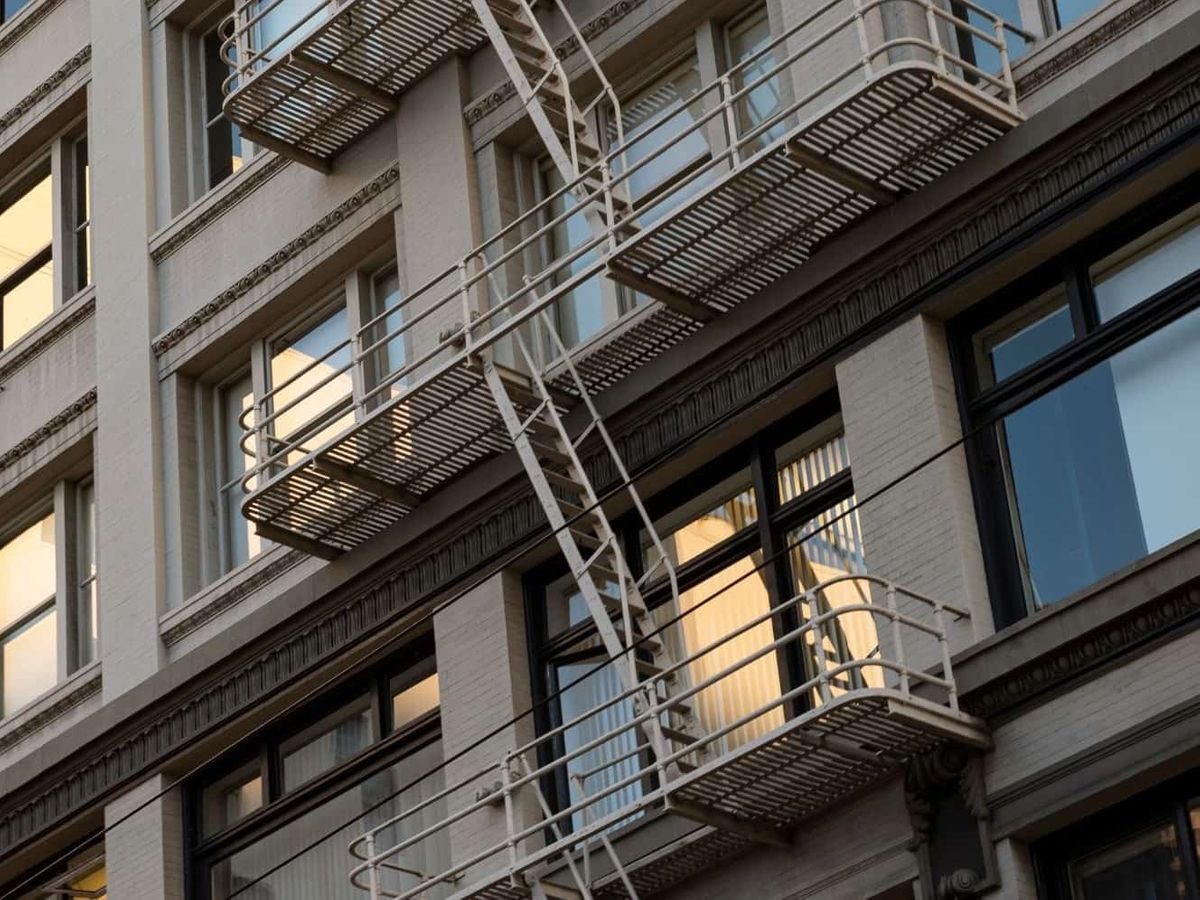
Multi-story fire escape railings or stair systems where working safely at height adds real complexity
Historic properties in Chicago where the ironwork has decorative value and the wrong product choice could cause irreversible damage
Large commercial properties where coating failure creates liability exposure
Any situation involving suspected lead paint, which requires licensed handling
In those cases, working with a contractor who specialises in metal painting, not just general exterior painting, means getting the right primer system, proper surface prep, and application methods suited to iron specifically. The team that handles paint railings on everything from residential porches to commercial building exteriors understands exactly where a standard paint job ends and a proper metal coating system begins.
Maintenance That Extends the Life of Any Paint Job
Even a perfect paint job needs periodic attention. The finish is protecting the metal, so when the finish fails, the metal starts to fail too.
A few habits that keep wrought iron paint lasting longer:
Inspect the railing each spring and fall. Look for chips, bubbles, or discolouration, especially at weld points and at the base where the railing meets concrete or masonry.
Touch up chips promptly. A small chip treated with primer and matching topcoat within a few weeks costs almost nothing. Left untreated through a winter, the same chip becomes a rust patch.
Keep water from pooling at the base. Debris and leaves packed around where a post meets a step hold moisture against the metal constantly. Clear them out.
Wash the railing once a year with a mild detergent and water to remove road salt, grime, and oxidation byproducts that can degrade the paint film over time.
With proper prep and the right products, a quality paint job on wrought iron should last five to seven years before requiring a full recoat. Many professionally painted railings in moderate climates push closer to ten.
Key Takeaways
Surface preparation determines how long any paint job lasts on iron. Skipping proper stripping and cleaning is the single biggest cause of early failure.
Always treat active rust with a converter product before priming. Painting over rust traps moisture and accelerates deterioration.
Use a rust-inhibiting oil-based metal primer, not a standard exterior primer.
Apply two coats of a topcoat formulated for metal. Oil-based enamel remains the most durable choice for exterior wrought iron.
Touch up chips and damage promptly. Small maintenance tasks done early prevent expensive repairs later.
Frequently Asked Questions
How long does paint on wrought iron railing typically last? With proper surface preparation, the right primer, and two coats of a quality metal enamel, a paint job on exterior wrought iron should last five to seven years. Professional applications with better-grade coating systems can push closer to ten years with basic annual maintenance.
Can you paint over rust on a wrought iron railing? You can use a rust converter on light surface rust, which stabilises the oxidation and creates a paintable surface. However, painting directly over flaking or deep rust without treating it first will cause the paint to fail quickly. The rust continues to spread beneath the coating, and the paint will bubble and peel.
What type of paint is best for wrought iron? Oil-based rust-inhibiting enamel is generally considered the best option for exterior wrought iron. It bonds well to metal, dries hard, and resists chipping and UV degradation better than most water-based alternatives. For lower-exposure applications, high-quality water-based alkyd hybrids are a practical alternative with faster dry times.
How do I know if my old railing has lead paint? Lead-based paint was commonly used on residential and commercial metalwork before 1978. You can test for it using an inexpensive lead test swab kit available at most hardware stores. A colour change on the swab indicates lead. If the test is positive, follow EPA RRP guidelines before sanding, grinding, or stripping the surface.
Is it worth painting an old wrought iron railing or should it be replaced? It depends on the structural condition. Railings with surface rust and peeling paint but sound metal underneath are excellent candidates for repainting. If the iron has significant pitting, weakened welds, or sections that are structurally compromised, painting over the problem only delays an inevitable repair. A contractor experienced with ironwork can assess whether the railing is worth restoring or needs replacing.
Ready to Get It Done Right?
If the project is beyond what a weekend and a wire brush can handle, or if the railing needs structural attention before any paint goes on, it's worth talking to someone who works specifically with iron. Americana fence offers free quotes for metal painting and railing work across Chicago and the surrounding area, with over 30 years of experience on projects ranging from single residential railings to large commercial metalwork systems.
Good prep, the right products, and a little maintenance discipline are what separate a paint job that lasts two years from one that holds up for a decade. The iron will reward the effort.