
Chicago winters are not forgiving. Neither are Chicago summers. If you own a fence in Uptown, you already know what it means to watch a property take a beating from both ends of the thermometer.
Seasonal fence care in Chicago, IL is not optional maintenance. It is the difference between a fence that holds up for decades and one that costs you serious money in emergency repairs or full replacement.
At Americana Iron Works and Fence, we have spent over 30 years watching Chicago weather do its worst to fences across every neighborhood in the city. What follows is what we know works.
Why Chicago's Climate Is Especially Hard on Fences
Uptown sits right on the lakefront. That proximity to Lake Michigan means your fence is not just dealing with cold, it is dealing with wind-driven moisture, freeze-thaw cycles, and humidity swings that push most materials to their limits.
A fence that might last 20 years in a drier climate can start showing serious wear in 8 to 10 years here if it is not properly maintained.
The core problem is the freeze-thaw cycle. Water gets into small cracks or crevices in metal, wood, or masonry anchor points. It freezes, expands, and widens those gaps. Come spring, there is more room for more water.
Repeat that process over dozens of cycles in a single Chicago winter and you start to understand why so many fences in older neighborhoods like Uptown, Andersonville, and Rogers Park look the way they do by March.
Summer brings its own challenges. UV exposure degrades paint and protective coatings. Heat causes metal to expand, which stresses welds and fasteners. High humidity accelerates rust on iron and rot on wood posts set into the ground. None of this is catastrophic on its own. Left unaddressed season after season, it adds up fast.
Preparing Your Fence for a Chicago Winter
Inspect Before the First Freeze
The best time to catch problems is before temperatures drop below freezing consistently, typically in October for Chicago. Walk the full length of your fence and look for the following:
Rust spots or flaking paint on iron and steel sections
Loose or wobbly posts, particularly at the ground line
Cracked welds at joints or gate hinges
Wood posts that show soft spots, darkening, or visible rot
Gate hardware that sticks, drags, or does not latch properly
Catching these issues in fall means you can address them before water gets in and freezes. A small rust patch in October becomes a structural problem by February if left alone.
Address Rust Before It Spreads
For wrought iron and steel fences, rust is the primary threat. Surface rust, the kind that appears as orange staining or light flaking, can be treated and stopped.
Deep pitting rust that has eaten through the metal is a different conversation, one that often involves section replacement.
Proper rust treatment means wire brushing or grinding the affected area down to clean metal, applying a rust-inhibiting primer, and finishing with a quality exterior metal paint.
Doing this before winter locks out moisture and stops the oxidation process. Skipping it means the rust continues working through the steel all winter long, out of sight.
Check Your Fence Posts
Posts are the foundation of the whole system. In Chicago, fence posts are set in concrete footings that extend below the frost line, which sits around 42 inches deep in this region.
If footings were poured too shallow or if water has undermined the concrete over the years, you will see posts that lean, rock, or have pulled partially free of the ground.
A leaning post in November is an unsafe fence by January. Ice loading from freezing rain and snow accumulation adds significant weight and lateral force to an already compromised post.
Get those addressed before the ground freezes and makes repair work much harder.
Protecting Fences Through Chicago Summers
Repaint and Refinish in Spring or Early Summer
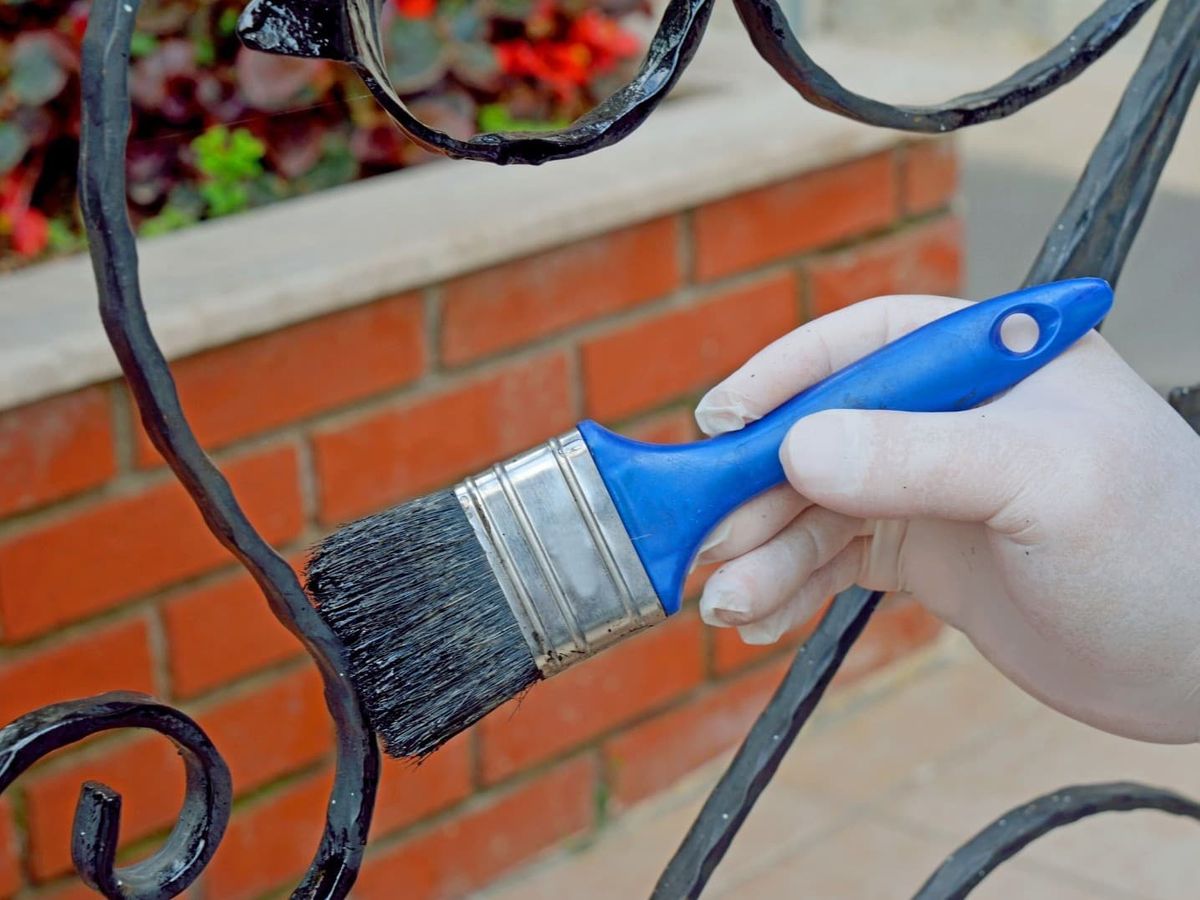
Spring is the right time to repaint iron fences in Chicago.
The temperature and humidity levels between May and early July give paint the best conditions to cure properly. Painting in the peak of a humid Chicago August means longer dry times and a higher chance of bubbling or peeling.
For metal fences, the process matters as much as the product. Surface prep, getting the metal clean and free of loose rust or old paint, determines how long the new finish lasts. A well-prepped and properly painted wrought iron fence in Uptown can go years without needing another coat.
A fence that was rolled over with latex paint on top of loose rust will start peeling within a season.
Manage Vegetation Around Your Fence Line
This one gets overlooked consistently. Vines, overgrown shrubs, and grass growing tight against a fence trap moisture against the metal or wood and dramatically accelerate deterioration.
Summer is when vegetation grows fastest, and if you are not managing it, you are creating the exact conditions that rust and rot need to thrive.
Keep a clear buffer between plantings and your fence line. If vines have already worked their way into an iron fence, remove them carefully.
The tendrils can hold moisture directly against the metal and can even work into small gaps in welds or joints over time.
Inspect Gates and Hardware Mid-Season
Gate hinges, latches, and hardware work harder in summer because people are in and out of yards more frequently. Check them around mid-summer for signs of wear, looseness, or corrosion.
A gate that starts drooping or failing to latch properly is a security issue, not just a nuisance.
Fence Material Considerations for Chicago Weather
Not every fence material handles Chicago's climate the same way. Understanding what you have, or what you are considering, informs how you maintain it.
Wrought iron and steel fencing is the gold standard for longevity in Chicago, and it is what you see on most older properties in Uptown and Lincoln Park. It handles physical impact well and, when properly maintained and painted, resists the freeze-thaw cycle better than most materials.
The trade-off is that it requires periodic repainting to keep rust at bay.
Aluminum fencing does not rust, which is a legitimate advantage in a city with Chicago's moisture levels. It is lighter than iron and lower maintenance overall.
The limitation is that it is softer and can be damaged more easily by physical impact, a real consideration on properties near alleys or in high-traffic areas.
Chain link is durable and handles Chicago winters without major issues, particularly galvanized or vinyl-coated versions.
Maintenance requirements are minimal compared to wood or iron, though posts and framework should still be inspected annually.
Wood fencing requires the most attention in Chicago. Wood expands and contracts with temperature and moisture, which stresses fasteners and joints. Posts set in ground contact are the most vulnerable point. Using pressure-treated lumber helps, but annual inspection and prompt treatment of any rot or damage is non-negotiable if you want a wood fence to have a reasonable service life in this climate.
What a Professional Seasonal Inspection Covers
A lot of homeowners do a quick visual check and call it done. A professional inspection goes deeper.
When our team does a seasonal assessment on a property in Uptown or anywhere else in Chicago, we are looking at structural integrity at the post and footing level, the condition of welds and fasteners, the state of any protective coatings, drainage patterns around the fence base, and whether gate hardware is operating within safe tolerances.
For property managers and landlords, this kind of documented inspection also provides a record of condition, which matters when questions come up about maintenance history or liability.
We have completed over 20,000 jobs across Chicago, and a significant portion of that work started with someone calling us after a problem that a seasonal inspection would have caught early.
Frequently Asked Questions
How often should I schedule seasonal fence care in Chicago, IL?
For most Chicago properties, a thorough inspection and any needed maintenance should happen twice a year: once in late fall before the ground freezes, and once in spring after the thaw. Properties with older iron fences or wood fencing in high-moisture areas may benefit from more frequent checks.
What is the biggest seasonal threat to fences in Uptown, Chicago?
The freeze-thaw cycle is the most damaging seasonal factor for fences in Uptown and across Chicago. Water works into small gaps in metal, wood, or concrete, freezes and expands, then thaws and leaves larger gaps for the next cycle. Over a single winter, this process can turn minor surface rust or a small crack into a structural problem.
When is the best time to repaint an iron fence in Chicago?
The best window for repainting iron fences in Chicago is spring through early summer, typically May through early July. Moderate temperatures and lower humidity give the paint better curing conditions compared to the height of summer or cooler fall days. Proper surface preparation before painting is as important as the timing.
Can I do seasonal fence maintenance myself, or should I hire a professional?
Basic tasks like clearing vegetation, lubricating gate hardware, and touching up small rust spots are manageable for most homeowners. Structural repairs, post replacement, welding, and full repainting are jobs that require the right tools and experience to do correctly. Improper repairs can accelerate the damage they are meant to fix.
How do I know if my fence posts need to be replaced before winter?
Posts that visibly lean, rock when pushed, or show soft spots or rot at the ground line should be addressed before winter. In Chicago, frozen ground makes post replacement significantly harder and more expensive. If you notice movement or instability in a post during your fall inspection, have a professional assess it before temperatures drop.
Ready to Get Your Fence Ready for What Chicago Throws at It?
We have been maintaining, repairing, and installing fences in Chicago for over 30 years.
Our team is licensed, bonded, and insured, and we handle everything from a seasonal inspection and repaint to full fence replacement and custom ironwork, all from our own fabrication shop.
If your fence in Uptown, Edgewater, Ravenswood, or anywhere else in the Chicago area needs attention before winter hits or before summer takes another pass at it, we are ready to take a look.
Contact us for a free quote or call us at 312-722-6515. No pressure, no runaround. Just straight answers from a team that knows Chicago fences.