
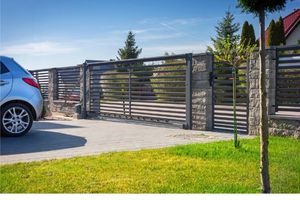
A driveway gate that you can open from your phone while you're still parked on the street. A keypad that logs every entry and exit. A system that lets you grant temporary access to a contractor without handing over a physical key. These aren't luxury features reserved for gated estates anymore. They're practical, increasingly affordable upgrades that Chicago homeowners and property managers are adding to standard residential and commercial gates every season.
Working with a reliable Commercial & Residential Gate company is the starting point for getting any of this right, because the automation technology is only as good as the gate structure supporting it. A gate that binds on the track, sags on its hinges, or was built without automation in mind will cause problems regardless of how sophisticated the control system is.
This guide covers the main access control options available today, how they compare, and what Chicago property owners specifically need to consider before investing.
Why Gate Automation Has Become a Practical Choice
Chicago's housing stock tells a particular story. Older neighborhoods like Bridgeport, Beverly, and Wicker Park have properties with tight lot lines, alley-loaded garages, and wrought iron or steel gates that were originally manual. Upgrading these to automated systems involves both the mechanical side (operators, motors, hinges) and the access control side (how people actually open the gate).
The security case is straightforward. According to the Electronic Security Association, homes with visible access control measures are significantly less likely to be targeted by opportunistic crime. But the day-to-day convenience argument is just as strong. If you're regularly letting in delivery drivers, housekeepers, dog walkers, or tenants, managing physical keys or being home to buzz people in becomes a real friction point.
Automation solves that friction without sacrificing security, provided the system is set up properly.
The Main Access Control Options Compared
Keypads
A keypad is the most straightforward upgrade. Users enter a PIN to trigger the gate operator. Modern versions support multiple codes, so you can assign a unique code to different users and delete individual codes without changing the master. Some models log timestamped entries, which is useful for landlords or property managers who want a simple audit trail.
Keypads work well for residential driveways and smaller commercial properties. They're weather-resistant (look for NEMA 4-rated enclosures for Chicago winters), and they don't require a smartphone or internet connection to function. The main limitation is that shared codes can be passed along to people you didn't intend to have access, and forgotten codes are a regular support headache.
Placement matters. A keypad mounted at an awkward height or at an angle that forces drivers to lean dangerously far out of a window will create problems quickly. Any installer worth hiring will account for this in the initial layout.
Remote Controls and Clickers
The classic handheld remote is still widely used, and for good reason. It's fast, reliable, and works even when the internet goes down. Rolling-code technology, now standard in most gate remotes, means the signal can't be captured and replayed by someone with basic RF equipment, which was a real vulnerability in older systems.
For single-family homes where access control is mainly about personal convenience rather than managing multiple users, a remote plus a keypad for backup is often the cleanest setup. Multi-family or commercial properties outgrow this quickly, since managing dozens of physical remotes gets unwieldy.
Smartphone App Control
App-based gate systems connect through Wi-Fi or cellular to a smart gate controller. From your phone, you can open and close the gate remotely, receive push notifications when it opens, set schedules, and manage user permissions. Some platforms integrate with video intercom systems, so you can see who's at the gate before granting access.
For Chicago landlords managing multi-unit buildings or anyone who travels frequently, this is the category worth focusing on. Brands like LiftMaster (which offers its myQ ecosystem), DoorKing, and Doorbird have established track records in both residential and commercial applications. The Chicago Tribune has previously covered the growth of smart home access systems in urban properties, noting that app-based control has become a common feature in newly renovated two-flats and courtyard buildings.
The trade-off with app-based systems is dependency on connectivity. A reliable Wi-Fi signal at the gate location isn't always guaranteed, particularly for alley gates or properties with older infrastructure. A backup access method, whether a keypad or key switch, is worth including in any app-based installation.
Video Intercom Integration
Video intercoms pair with gate operators to create a visual verification layer before entry is granted. A visitor presses a call button, the system rings your phone like a video call, and you can choose to open the gate or not. This setup is common in commercial properties and multi-family residential buildings, but it's increasingly showing up in single-family homes in neighborhoods like Lincoln Park and Gold Coast.
High-end options support two-way audio and video through dedicated apps, while more basic wired intercoms are still widely used in commercial settings where reliability is the priority. For properties with high visitor volume or security-sensitive use, video intercom integration is worth the added installation cost.
Key Switches and Card Readers
Key switches are simple and virtually indestructible, which is why they remain popular in commercial and industrial settings. Card reader systems, particularly those using proximity cards or fobs, are a step up from keypads in access control environments where individual tracking matters. Each fob has a unique ID, which means access can be revoked for one person without affecting anyone else.
For Chicago property managers overseeing parking facilities, gated lots, or mixed-use buildings, a card reader system paired with access management software gives a level of control that keypads and remotes simply can't match.
What Chicago Homeowners Need to Think About Before Installing
The Gate Structure Has to Be Right First
Automation equipment doesn't rescue a gate that was never built for it. Slide gate operators require a certain track configuration and gate weight rating. Swing gate operators need specific post setups and clearance arcs. Getting the structural side right before adding a motor and controller saves significant cost and frustration.
Americana Iron Works & Fence has been handling gate fabrication, installation, and repair in Chicago for over 30 years, with more than 20,000 jobs completed across the metro area. That foundation matters when you're integrating automation, because the mechanical and access control decisions interact with each other.
Chicago Weather Is a Real Factor
Gate operators and access control hardware need to handle temperature swings from below zero to 90-plus degrees Fahrenheit. Look for equipment with operating temperature ratings appropriate for this range. Lithium battery backup systems (standard in better gate operators) are preferable to lead-acid alternatives in cold climates because they hold charge more reliably in low temperatures.
Salt, moisture from snow and sleet, and road debris also accelerate corrosion on mechanical components. Specifying stainless steel hardware and sealed enclosures for exposed components adds upfront cost but meaningfully extends service life.
Local Permits and HOA Rules
Chicago has specific requirements around fence and gate installations, particularly in historic districts or neighborhoods with active HOA governance. Depending on scope, a permit may be required before work begins. A licensed, bonded, and insured contractor will know these requirements and handle the permitting process correctly, which protects you from fines and future issues when selling the property.
Power Supply to the Gate Location
Most gate operators require a dedicated power circuit at the gate location. If the gate is at the end of a long driveway or along an alley, running conduit and power to that location is a legitimate project in itself. Solar-powered operators are available and work reasonably well in higher-sunlight months, but Chicago's winters and overcast periods make a hardwired connection the more reliable primary power source.
Key Takeaways
Keypads are a straightforward, budget-friendly entry point for access control, but they work best when each user has a unique code and you audit those codes regularly.
App-based systems offer the most flexibility for managing multiple users, tracking entries, and granting remote access, but always pair them with a physical backup method.
Video intercom integration adds a meaningful security layer for properties with regular visitor traffic or multi-unit occupancy.
The gate structure and operator selection have to align with your automation goals before any access control hardware is chosen.
Chicago's climate demands hardware rated for extreme temperature ranges and corrosion-resistant materials on any exterior-mounted components.
Frequently Asked Questions
Can an existing manual gate be retrofitted with automation and app control? In many cases, yes. The feasibility depends on the gate type (swing or slide), its weight, the condition of the posts and track, and whether power can be run to the location. A site inspection from a qualified installer will clarify what's possible before any commitment is made.
How do I manage access for short-term visitors like contractors or delivery drivers? Temporary PIN codes on a keypad are the simplest option. App-based systems often include a virtual key or time-limited access feature that lets you grant entry for a specific window and automatically revoke it afterward. Some video intercom systems also allow one-time remote unlocking directly from your phone.
What happens to my gate if the internet goes down or the power goes out? Most gate operators include battery backup that keeps the system functional during brief outages. Access control hardware like keypads typically operates independently of internet connectivity. For app-based systems, loss of connectivity will usually disable remote features but local access methods, keypads or key switches, should still work. Always confirm this with your installer before finalizing the system design.
Is a smart gate system worth it for a single-family home, or is it mainly for commercial properties? The value depends on how you use the gate. For homeowners who regularly need to let in service providers, manage alley parking, or simply want the convenience of not getting out of the car, even a basic keypad-plus-remote setup delivers noticeable daily value. App-based systems make more sense when remote access or multi-user management matters.
How long does a gate automation installation typically take? A straightforward residential installation, gate operator plus keypad, is often completable in a single day, assuming the gate structure is already in good condition and power access is available. More complex setups with video intercom, card readers, or new gate fabrication will take longer. Getting a detailed scope of work from your contractor upfront avoids timeline surprises.
Closing Thoughts
A smart gate system is genuinely useful when the underlying installation is solid. The technology side has matured considerably, and the options available to Chicago homeowners and property managers today cover everything from simple keypads to fully integrated video intercom and app control platforms. The key is matching the right system to the actual use case rather than over-specifying or under-specifying based on feature lists alone.
If you're evaluating options, starting with a proper site assessment from an experienced gate installer gives you a realistic picture of what your property can support and what the installation will actually involve.