
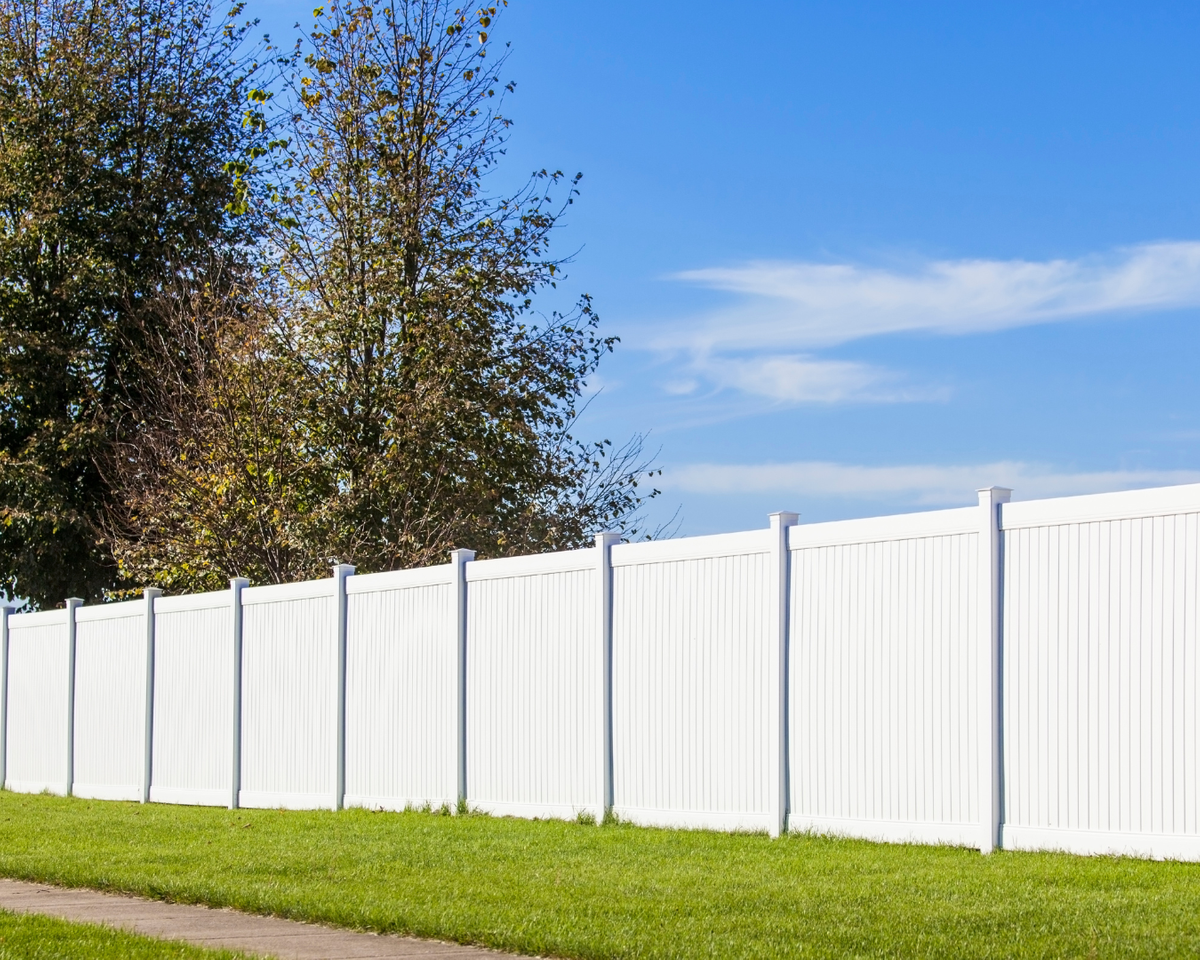
Vinyl fencing outsells wood by a significant margin in many U.S. markets, and the primary reason homeowners and property managers choose it comes down to one word: longevity. But here's the thing most fence guides skip over vinyl's lifespan varies wildly depending on product grade, installation quality, climate exposure, and how well the fence is maintained after the fact. A budget-grade vinyl panel installed on a Chicago property exposed to freeze-thaw cycles could look rough within a decade. A properly specified, professionally installed fence? That same property could still have clean, structurally sound fencing 25 or 30 years later.
The difference isn't random luck. It's decisions made upfront and habits maintained over time. Whether you're a homeowner evaluating options or a property manager comparing long-term costs across a portfolio, understanding what actually drives vinyl fence lifespan is worth your time. For those weighing different fence materials, systems, and installation approaches, Americana Iron Works & Fence offering custom commercial and residential solutions can help you match the right product to the right application from the start.
What "Vinyl Fence Lifespan" Actually Means
Manufacturers routinely advertise vinyl fences with 20-year, 30-year, or even lifetime warranties. Those numbers aren't fiction, but they come with caveats most buyers don't read closely enough.
Warranty coverage typically addresses manufacturing defects, not degradation caused by UV exposure, improper installation, or impact damage. A fence can technically be "under warranty" while still fading, warping, or cracking in ways the manufacturer won't cover. So rather than anchoring expectations to warranty language, it's more useful to think about lifespan in terms of three performance thresholds:
Structural integrity refers to whether the posts and panels are still holding their shape and load. Most quality vinyl fences maintain structural integrity for 20 to 30 years under normal residential conditions.
Aesthetic integrity is about appearance, including color retention, surface finish, and resistance to staining. This is where lower-grade products fall short first, often showing significant UV fading or yellowing within 7 to 10 years.
Functional performance covers whether gates latch, panels are secure, and the fence actually does what it's supposed to do. This is the last thing to fail, usually only after structural problems have been ignored for too long.
Understanding which of these matters most for your property helps set realistic expectations and informs the product grade you should be specifying.
The Factors That Shorten Vinyl Lifespan Fastest
UV Exposure and Color Degradation
Prolonged UV exposure is the single biggest enemy of vinyl fencing. Cheap vinyl formulations without adequate UV inhibitors begin to oxidize and chalk within a few years. In climates with intense summers, this process accelerates noticeably.
High-quality virgin vinyl with titanium dioxide as a UV stabilizer holds up significantly better than recycled content or lower-grade compounds. If you're looking at vinyl fence products, ask specifically about UV inhibitors and whether the product uses virgin PVC or recycled material. It's a straightforward question that separates serious suppliers from those pushing on price alone.
Freeze-Thaw Cycles in Northern Climates
Chicago's climate is particularly hard on any fence material. Vinyl becomes more brittle in extreme cold, making it vulnerable to impact damage during winter. More critically, posts set in improperly compacted or poorly drained soil can shift during freeze-thaw cycles, which introduces lean, panel stress, and eventually cracking at joints.
Proper post depth and concrete footing are non-negotiable in northern climates. The standard recommendation from the North American Fence Contractors Association is to set posts below the frost line, which in the Chicago area means a minimum depth of around 42 to 48 inches. Installers who cut this step short to save time are setting up the fence, and the property owner, for early failure.
Impact Damage
Vinyl doesn't dent like metal or splinter like wood. Instead, it cracks. A cracked panel doesn't self-repair, and depending on the system design, a single broken panel can compromise adjacent sections if left unaddressed. High-traffic areas, commercial perimeters, and properties near alleys or parking lots are more vulnerable to impact events than a typical residential backyard.
For those environments, heavier wall thickness vinyl or a hybrid approach using metal posts with vinyl infill panels can provide better impact resistance without sacrificing the low-maintenance benefits of PVC.
Poor Installation Practices
No material performs well if it's installed incorrectly. Vinyl in particular is sensitive to over-tightening hardware, inadequate expansion gaps, and misaligned post spacing. These aren't exotic problems — they're the predictable result of rushing installations or using inexperienced crews.
Getting a professional assessment before and during installation makes a measurable difference in long-term performance. If you're evaluating existing fencing on a property and aren't sure whether problems are cosmetic or structural, a specialist in fence repair in Chicago can identify what's worth salvaging versus what needs replacing before small issues become expensive ones.
How to Extend Your Vinyl Fence's Useful Life
Clean It Annually, Not Occasionally
Vinyl looks like it cleans itself, and that appearance fools a lot of property owners into skipping maintenance. Algae, mildew, and mineral deposits from hard water all accumulate on vinyl surfaces over time. Left unaddressed, they stain permanently and accelerate surface degradation.
An annual rinse with a garden hose removes loose debris. For more stubborn buildup, a solution of mild dish soap and water applied with a soft brush handles most surface staining without damaging the material. Avoid abrasive scrubbers or solvents these scratch the surface and strip UV-protective coatings.
Inspect Posts After Hard Winters
After a heavy Chicago winter, walk the fence line and check each post for lean. A post that has shifted even slightly can put uneven stress on surrounding panels, and that stress compounds over time. Early correction, often just restabilizing the concrete footing, is far cheaper than replacing cracked panels or a fully leaned fence section.
Address Panel Damage Immediately
Cracked or broken vinyl panels don't get better on their own. The longer a compromised panel stays in place, the more stress it transfers to adjacent sections. Most manufacturers keep replacement panels available for years after installation, making repairs straightforward if they're done promptly.
If your fence uses a proprietary interlocking system, record the manufacturer and model during installation. Trying to match vinyl panels years later without that information is unnecessarily frustrating and sometimes impossible.
Keep Vegetation Away from the Fence Line
Vines, climbing plants, and dense shrubs might look attractive against a white vinyl fence, but they trap moisture, block airflow, and create conditions for mildew growth. Over time, root systems can also displace post footings. Maintaining a clear 6-inch gap between the fence and any plantings keeps the base dry and reduces biological staining.
Vinyl vs. Other Materials: Where Each Fits
Vinyl's advantages are real: it doesn't rust, doesn't need painting, and resists rot. For residential privacy fencing, pool surrounds, and low-traffic perimeter fencing on commercial properties, it's a genuinely practical long-term choice.
But vinyl isn't the right answer for every application. High-security perimeters, decorative historic properties, and situations requiring significant structural strength are better served by metal. Wrought iron and steel fencing, for example, offers decades of useful life with proper maintenance and carries a visual weight that vinyl simply can't replicate. For properties where security, curb appeal, and architectural character matter, iron fence repair and installation offers a level of durability and character that vinyl can't replicate, particularly on Chicago's older residential and commercial building stock.
The smartest fence decisions happen when property owners match the material to the actual demands of the site rather than choosing based on upfront cost alone.
Key Takeaways
Most quality vinyl fences last 20 to 30 years structurally, but aesthetic performance depends heavily on product grade and UV inhibitor quality.
Freeze-thaw cycles in northern climates create specific installation requirements, including proper post depth below the frost line.
Annual cleaning and post-winter inspections are the two highest-impact maintenance habits for extending vinyl fence lifespan.
Impact damage and poor installation practices are the leading causes of premature vinyl fence failure, not the material itself.
Choosing the right fence material for the specific site conditions matters more than any single product feature or warranty claim.
Frequently Asked Questions
How do I know if my vinyl fence is high-quality before buying? Ask the supplier whether the product uses virgin PVC or recycled content, and specifically what UV stabilizers are included. Reputable manufacturers will answer these questions clearly. Wall thickness is also a useful indicator: residential-grade vinyl typically runs around 0.12 to 0.15 inches thick, while commercial-grade panels often exceed 0.20 inches.
Can vinyl fence panels be repaired, or do they always need full replacement? Individual panels can often be replaced without touching the rest of the fence, provided you can match the original product. Gates and hardware can almost always be repaired independently of the panels. The key is addressing damage quickly, before stress transfers to adjacent sections and turns a panel replacement into a larger structural repair.
Does vinyl fencing add property value? It can, particularly in residential contexts where buyers place a premium on low-maintenance exterior features. However, the value contribution depends on the neighborhood and property type. On historic or architecturally distinctive properties, traditional materials like wrought iron may add more perceived value than vinyl regardless of the maintenance advantages.
How does Chicago's climate specifically affect vinyl fencing? The combination of hot summers and sub-zero winters is harder on vinyl than milder climates. UV exposure drives surface degradation in summer, while extreme cold increases brittleness and impact risk in winter. Freeze-thaw cycles create ground movement that stresses post footings. Proper material specification and installation depth mitigate all of these, but they require working with installers familiar with northern climate requirements.
Is vinyl fencing suitable for commercial properties? Yes, in the right applications. Commercial-grade vinyl products with thicker walls and reinforced posts handle moderate traffic and perimeter fencing demands well. For high-security applications, loading areas, or sites where significant impact risk exists, metal alternatives are usually more appropriate. The right answer depends on what the fence needs to do, not on the material category alone.
Conclusion
Vinyl fencing's reputation for low maintenance is well-earned, but longevity doesn't happen automatically. The fences that reach 25 or 30 years of useful life aren't that way by accident. They started with appropriate product specification, were installed correctly by professionals who understood climate-specific requirements, and received basic attention each year. The ones that fail early almost always have a story that starts with a corner cut somewhere in that process.
Our Chicago crews work across vinyl, wrought iron, and steel, so you get a material recommendation matched to your property, not a sales pitch for whatever's easiest to install. Proper post depth below the frost line, virgin-PVC products with real UV protection, and installation done right the first time.
Get a free, no-pressure fence assessment from a specialist who works across every material. Tell us about your property today, and we'll help you make a decision your future self thanks you