
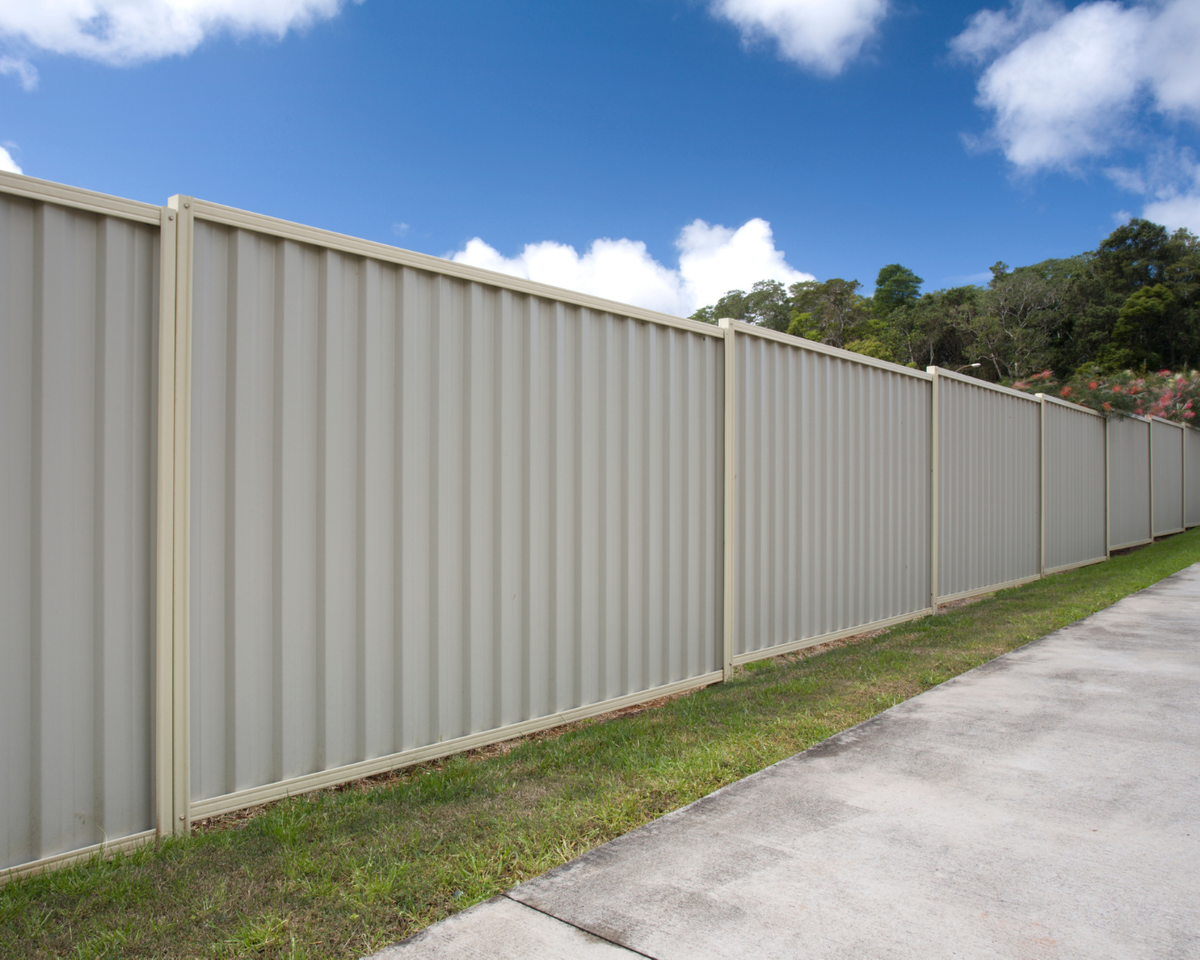
Aluminum fence installations are surging in popularity across Chicago, offering rust-resistant durability against freeze-thaw cycles and a clean, classic aesthetic for homes. Successful installation requires careful attention to Chicago-specific details, including securing city permits, verifying property lines, and setting posts below the critical 42-inch frost line to prevent shifting. For homeowners seeking a hassle-free, code-compliant result that withstands demanding seasonal conditions, professional aluminum fence installation ensures long-term performance and peace of mind.
Aluminum fence installations have surged in popularity across Chicago's older residential neighborhoods, and it's easy to see why. The material holds up against freeze-thaw cycles, resists rust without constant maintenance, and delivers the clean, classic look that suits everything from Wicker Park greystones to Lincoln Square bungalows. But a lot of homeowners who start this project underestimate how many moving parts are involved before a single post goes in the ground.
Getting the installation right the first time matters more than most people expect. A fence that shifts after the first winter, fails a city inspection, or sits a few inches into a neighbor's property line can cost significantly more to fix than the original job. Whether you're doing this yourself or evaluating what a professional should be doing on your behalf, understanding the full process is worth your time. For those who want a fully managed Residential Solution from planning through final inspection, working with an experienced local contractor like Americana Iron Works & Fence removes a lot of that risk upfront.
Start With the Groundwork Before Any Tools Come Out
Check Your Property Lines and Local Permits
This step gets skipped more than it should. Installing a fence even a few inches over your property line can result in a legal dispute with your neighbor or a forced removal. Pull your property survey before doing anything else. If you don't have one, your local municipality or county recorder's office can often help, or you can hire a licensed surveyor.
In Chicago, fence permits are required in most cases, particularly for installations over a certain height. The Chicago Department of Buildings outlines these requirements, and the rules vary depending on whether you're in a front yard, side yard, or rear yard. Fences in front yards, for example, are typically limited to four feet in height in residential zones. Check those specifics before purchasing materials.
Call 811 Before You Dig
This is non-negotiable. Calling 811 (the national "Call Before You Dig" line) at least 72 hours before breaking ground ensures underground utilities are marked. Chicago has an extensive network of gas, electric, water, and telecom lines running through residential areas. Hitting one during post installation is dangerous and expensive.
Once utilities are marked, you'll have a clearer picture of where your post locations need to shift, if at all.
Planning Your Layout
Measure and Mark the Fence Line
Walk the perimeter you want to enclose and mark each corner post location with a stake. Run a string line between corner stakes to guide your intermediate (line) post placements. Aluminum fence panels typically come in standard widths of four or six feet, so your post spacing needs to align with the panel dimensions you've selected.
Measure the total linear footage carefully. Add roughly 10% to your material estimate to account for cuts, waste, and any awkward angles. Chicago lots, particularly in older neighborhoods, don't always run in perfect straight lines.
Account for Slope and Grade
Chicago's residential lots vary considerably in grade. Aluminum fencing can be installed in two ways to handle slope: racked (where the fence follows the slope of the ground) or stepped (where panels drop in increments like stair steps). Racking works well on gradual slopes. Steeper grades generally look better and seal more neatly with a stepped approach.
Decide which method suits your yard before ordering materials, since some panel styles are designed specifically for racking while others are fixed.
Choosing the Right Aluminum Fence Style
Aluminum fencing comes in a few distinct grades and styles. Residential grade is the standard for most home installations and typically features lighter pickets and rails. Commercial grade is heavier and better suited to high-traffic areas or properties that need added durability.
For Chicago homeowners, a three-rail panel design offers the right balance of strength and aesthetics. The third rail adds rigidity, which matters in areas with significant wind exposure or where pets and children are putting pressure on the fence regularly. Picket style, height, and color are largely aesthetic choices, though darker powder-coat finishes (black and dark bronze, especially) tend to hold up and look sharper over time than lighter colors.
Setting the Posts
Digging Post Holes
Post holes should be dug to a depth of at least one-third of the total post length, with an additional six inches added for gravel drainage at the base. In Chicago, frost depth is a real concern. The frost line runs roughly 42 inches below grade in this region, according to the International Building Code's climate zone data. Posts that don't reach below the frost line will heave and shift over winter, throwing the entire fence out of alignment by spring.
A standard residential aluminum post in a four-foot fence, for example, should be set at least 24 to 30 inches deep to sit below the frost line. Use a power auger for efficiency. Hand digging for more than a few posts is exhausting and typically results in inconsistent hole depths.
Setting Posts in Concrete
Add a few inches of gravel to each hole for drainage before dropping in the post. Use fast-setting concrete (Quikrete or similar) mixed to a thick consistency. Set the post, check for plumb with a level on two adjacent sides, and brace it temporarily while the concrete sets.
Crown the concrete slightly above grade and slope it away from the post on all sides. This channels water away from the base and prevents pooling, which accelerates corrosion at the post foot over time.
Allow at least 24 to 48 hours of cure time before attaching panels. Rushing this step is one of the most common causes of posts going out of alignment.
Installing the Panels and Hardware
Attaching Rails and Panels
Once posts are set and cured, slide the fence panels into the pre-routed slots on each post or attach them using the manufacturer's specified brackets. Aluminum fence systems vary by manufacturer, so follow the installation instructions for your specific product. Forcing a panel to fit using improvised hardware or wrong-sized fasteners is a shortcut that creates problems down the line.
Use stainless steel or aluminum hardware only. Standard steel screws will corrode and stain the fence within a season or two.
Check level and alignment on each panel before moving to the next section. A small misalignment early in the run amplifies across the full fence line.
Gates: Measure Twice, Install Once
Gate installation is the most technically demanding part of the project. The gate frame needs to be perfectly square, the hinges need to carry the weight without sagging, and the latch needs to align properly for smooth operation.
For residential aluminum gates, use heavy-duty hinges rated for the gate's weight. A larger double gate or a driveway gate will need additional support, typically a drop rod or wheel support on the free end. Clearance between the gate bottom and the ground matters too, especially in areas where frost can push up pavement or pavers seasonally.
Final Checks and Post-Installation Maintenance
Walk the full fence line once installation is complete and check every post for plumb, every panel for level, and every gate for operation. Tighten any loose hardware. Touch up any powder-coat scratches with a matching paint pen to prevent corrosion at the exposed metal.
Aluminum requires very little ongoing maintenance compared to wood or wrought iron. An annual rinse with a garden hose and a check of hardware and gate alignment is generally all it needs. If a picket or panel takes damage, aluminum fence systems are designed for section replacement rather than full-line replacement, which keeps repair costs manageable.
For homeowners who want a professionally installed result without the complexity, working with a specialist in aluminum fence installation ensures the project meets local codes, sits on the right property lines, and holds up through Chicago's demanding seasonal conditions.
Key Takeaways
Always pull a property survey and obtain city permits before starting. In Chicago, fence height limits and zoning rules vary by yard location.
Call 811 at least 72 hours before digging. Utility strikes are dangerous and avoidable.
Set posts below the 42-inch frost line for the Chicago region. Shallow posts will heave in winter and misalign the fence.
Use stainless steel or aluminum hardware throughout. Standard steel fasteners corrode and stain.
Gate installation requires precision. Use heavy-duty hinges rated for the gate's weight and verify clearances before finishing.
Frequently Asked Questions
Do I need a permit to install an aluminum fence in Chicago? In most cases, yes. The City of Chicago requires permits for fence installations, and the rules around height, setback, and materials vary depending on the yard location and zoning classification. Check with the Chicago Department of Buildings or consult a licensed contractor before starting your project.
How deep should fence posts be set in Chicago? Posts should extend below the frost line, which sits at approximately 42 inches in the Chicago area. For a standard residential aluminum fence, posts are typically set 24 to 30 inches deep depending on the total post length. Going shallower risks frost heave and misalignment over time.
Can aluminum fence be installed on a sloped yard? Yes, aluminum fencing handles slope well. Gradual slopes are typically addressed by racking the panels to follow the grade. Steeper slopes are better suited to a stepped installation where panels drop incrementally. The method you choose should factor into your material selection before ordering.
How long does an aluminum fence installation take? For a typical residential installation of 100 to 150 linear feet, a professional crew can usually complete the job in one to two days. DIY installations take longer, particularly if the homeowner is unfamiliar with post setting and concrete work. Concrete cure time adds at least one additional day before panels can be attached.
Is aluminum fencing a good choice for Chicago winters? Aluminum is one of the better fence materials for Chicago's climate. It doesn't rust, doesn't absorb moisture the way wood does, and won't corrode in road salt exposure the way untreated steel will. The main vulnerability is impact damage, since aluminum can dent or bend under significant force, but for standard residential use it performs reliably through freeze-thaw conditions.
Conclusion
Installing an aluminum fence on a Chicago property is a straightforward project in theory, but the details matter. Property lines, permits, frost depth, post alignment, and hardware selection all have real consequences if they're handled carelessly. The good news is that aluminum, once correctly installed, asks very little of you for years afterward. It's one of the lower-maintenance choices available for residential fencing, and it suits the architectural character of Chicago neighborhoods well.
Our team handles the full process, survey to permits to final gate check, so your aluminum fence sits on the right property lines, passes inspection, and holds up through everything a Chicago winter throws at it. Get a free on-site fence assessment from American Fence Company before you buy a single panel, and start your project knowing every detail is already accounted for.